
Knot happening
Meet ‘Kalyanamalai’ Mohan, Tamil Nadu’s OG matchmaker
I was recently walking towards my transit gate at Doha airport when a young couple stopped me. The woman had a baby in her arms. She smiled, bent down, and sought my blessings. “Do you remember us?” she asked. “We got married because of you. This is our baby.”
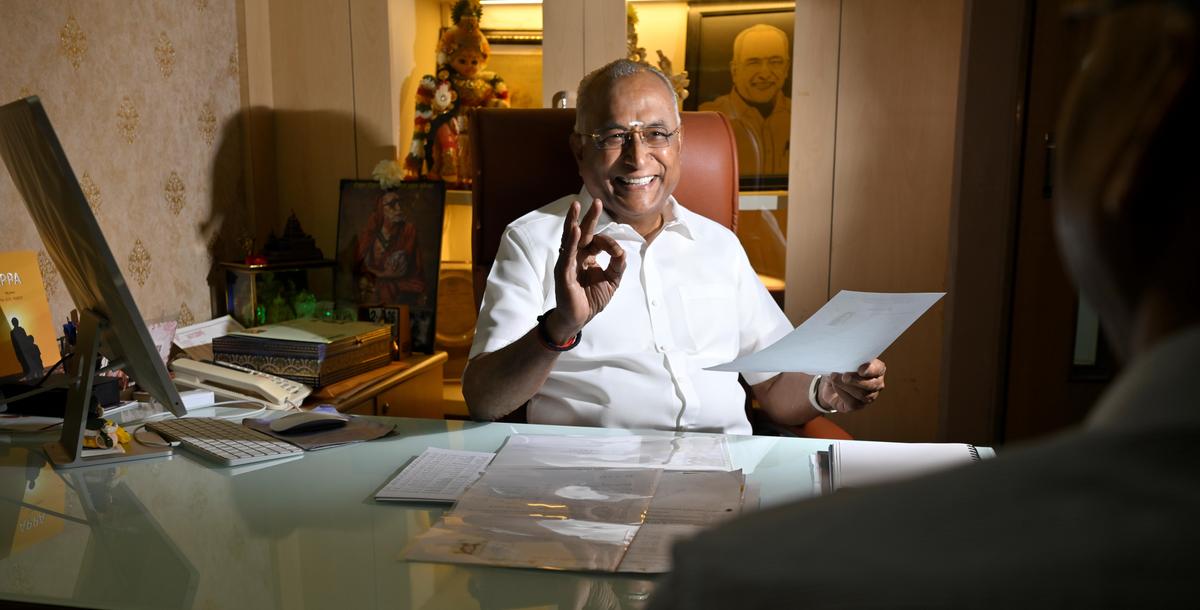
‘Kalyanamalai’ Mohan, Tamil Nadu’s OG matchmaker who has been in the matrimonial business for over 25 years
| Photo Credit:
Johan Sathyadas
Moments like these still leave me overwhelmed. Over the years, I have come to realise that my work has travelled far beyond television studios; it has entered families.
Hailing from Thiruvarur district, I grew up in a time when marriages were decided very differently. In the 1980s, a ‘ponnu paakara’ visit would end with a polite “kadidaasu podarom” — we will write to you. If the reply came on a postcard, the postman often knew the outcome even before the family did! Back then, decisions were largely driven by parents and relatives, and choice was limited.
Things began to change as education and employment opened up new possibilities for both men and women. Relatives slowly stepped back, and families began looking for more structured, trustworthy ways to search for alliances. One of those methods was the matrimonial section of The Hindu – I used to be fascinated by the entries there. On some days, it would even run into four pages! Every Sunday, parents would sit with the newspaper, reading carefully, hoping to find the right match.
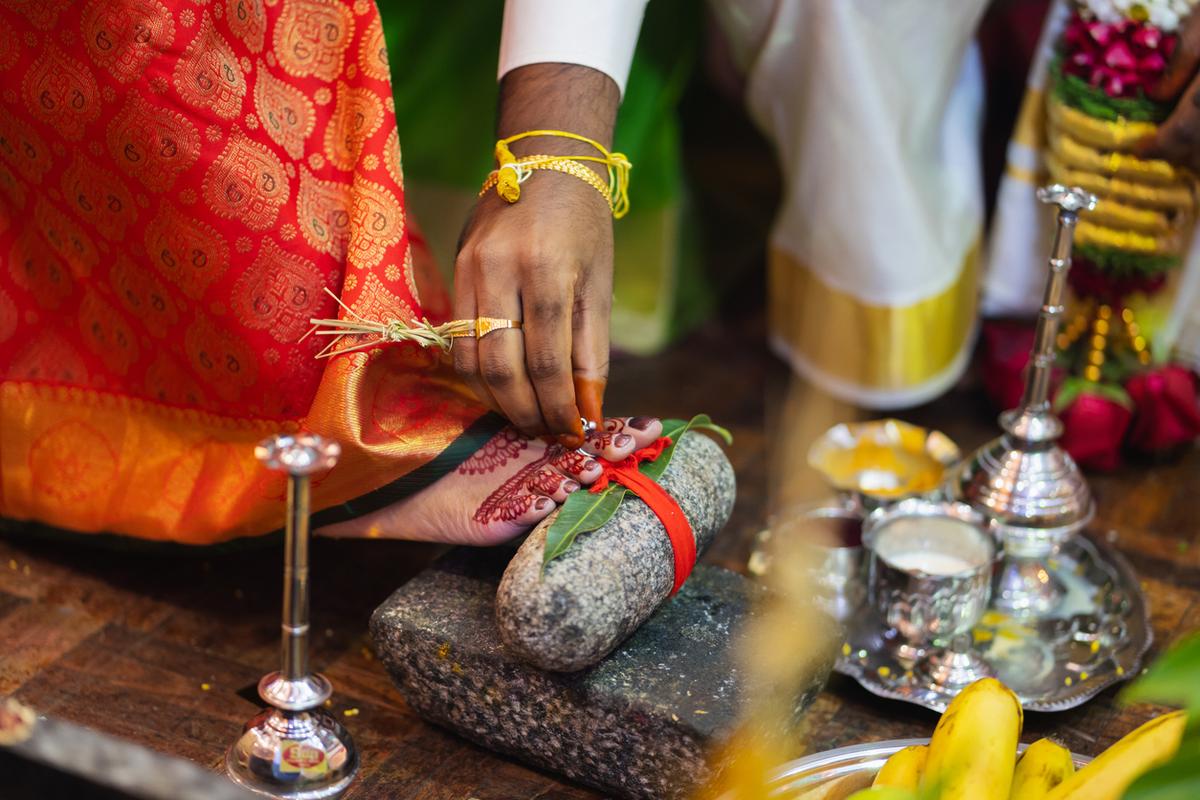
South Indian Hindu wedding ceremony. Portrait photography. Concept of marriage, partnership, commitment.
| Photo Credit:
Yume-Tabi
I wondered: what if this process could happen on television? That thought gave birth to Kalyanamalai. When the programme began airing on Sun TV in 2000, none of us imagined it would run for over 1,200 episodes. I simply spoke to people, listened to them without judgement, and tried to act as a bridge between two families. Twenty-six years later, knowing that we have helped over six lakh weddings still humbles me.
The world today is very different. Technology has brought speed and choice — sometimes too much of it. Many youngsters swipe through profiles as if they are shopping, forgetting that marriage is not a product but a lifelong partnership. In an ideal matchmaking scenario, a few honest conversations are usually enough; after that, the boy and girl stop discussing what they want and start listing what they don’t want.
Parents today tell me they are afraid to even bring up the topic of marriage with their children. That worries me, because the intent is always love and concern.
I once discussed this with late former President Dr APJ Abdul Kalam. He told me that matchmaking is not just about bringing two people together — it is about kickstarting future generations. That thought has stayed with me till day. Which is why I continue to believe in the quiet power of lasting relationships.
(As told to Srinivasa Ramanujam)
Three generations, countless matches
Meet Moulik Goyal (and his family of matchmakers)
My grandfather, C.P. Goyal, never planned to become a matchmaker. On paper, he had a government job and a fairly ordinary life. Socially, however, in Bulandshahr, Uttar Pradesh, he was everywhere — at weddings, at community gatherings, and dropping in unannounced at people’s homes. He was always talking to someone, always listening, and he had an ease with people that came naturally.
We belong to the Baniya community, where trust carries real weight. Who knows you and who can vouch for you matters far more than anything written on a biodata. A family’s reputation often travelled faster than its details, and my grandfather was someone people trusted instinctively.
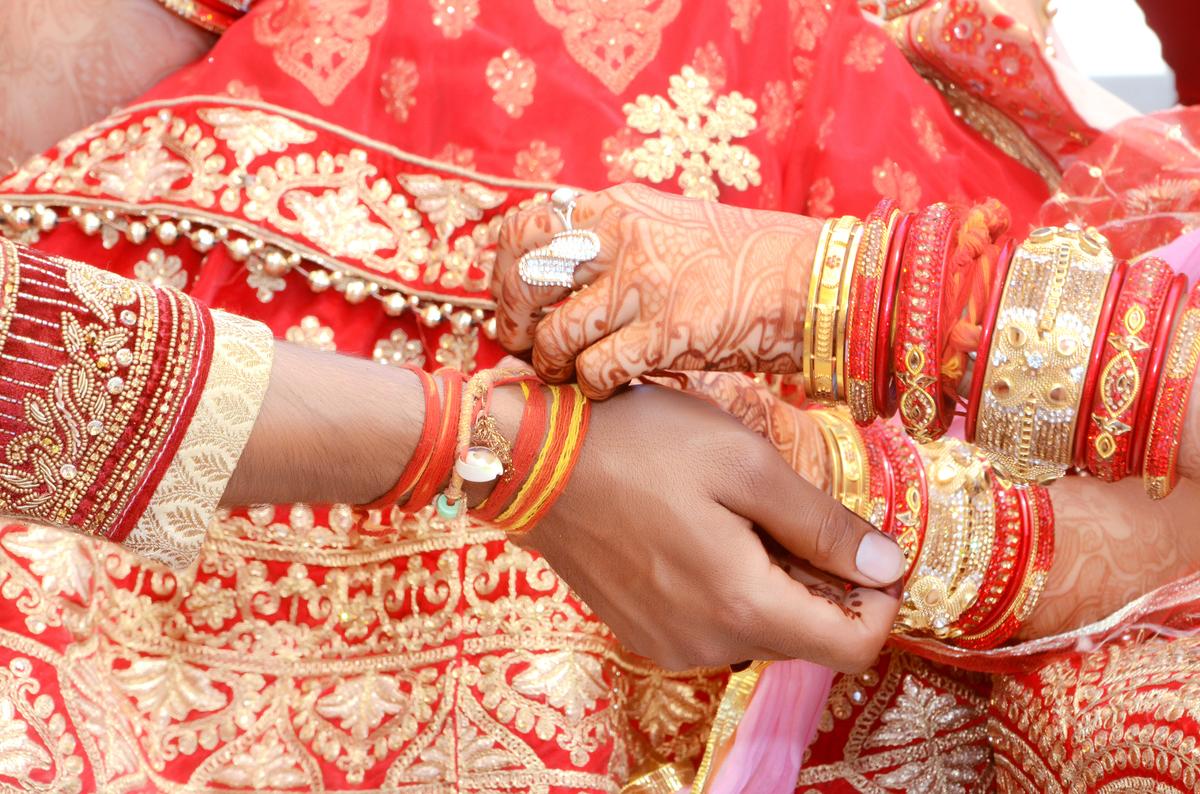
Indian couple playing Ring Fishing game in wedding ceremony of India
| Photo Credit:
Deepak Verma
In our community, marriage has never been only about two people. It is about families: of relationships, and maintaining balance. My grandfather understood this without needing to spell it out. Long before there was any formal structure, he began visiting homes. Sometimes parents called him over; at other times, he went on his own, sensing that it was the right moment to begin the conversation.
These visits were never rushed. They always began with tea. Who poured it, who insisted he take another cup, who stayed in the room and who quietly stepped away — all of it mattered. Often, the daughter was not called in straight away. She might appear midway through the visit, or sometimes not at all. In Baniya households, restraint was important. Too much eagerness could feel uncomfortable, even suspicious.
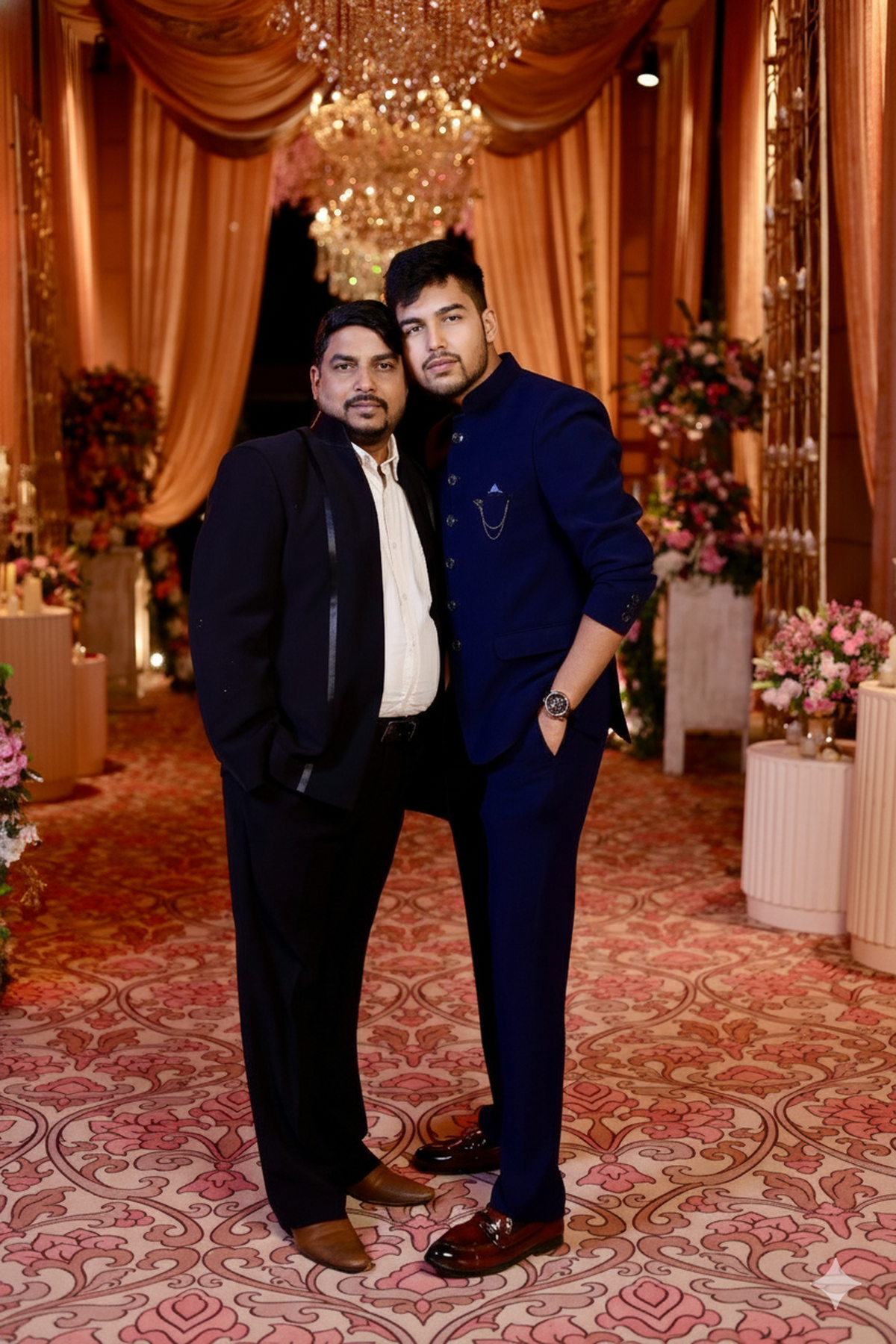
Moulik Goyal and his father
My grandfather would sit, speak sparingly, listen carefully, and observe. He paid attention to how decisions were made, who spoke on behalf of the family, who interrupted, and who deferred. The men usually discussed lineage and work; the women noticed everything else. Mothers rarely voiced opinions openly, but their approval or hesitation revealed itself later — through a delayed phone call, a sudden pause, or a polite excuse about timing.
In the early years, he never charged anyone. He did not see this as a business but as something he had naturally grown into. Most days, he left home early and returned late, visiting several houses. Although we are from Bundelkhand, his work took him across Uttar Pradesh.
In 1975, he formally started the Goyal Marriage Bureau. Even then, the work never felt mechanical. For him, compatibility was not about matching profiles; it was about whether two families could live alongside each other without constant friction. By the time he retired in 2010, he had helped bring together more than 5,000 marriages across India (and used to charge between ₹5,100-₹11,000). Entire families exist today because of introductions he made. Over time, however, he also encountered the harsher realities of the profession. When things went wrong, the matchmaker was blamed first. When things went right, people moved on quietly.
After he stepped back, my father, Anil Goyal, took over. While the process remained largely the same, attitudes had begun to change. Over the years, all three of us — my grandfather, my father, and now me — have seen respect for matchmakers steadily decline. Younger people are often uneasy with the idea. Many say openly that it is their parents who believe in this system, not them. To some, we are simply “brokers”.
And yet, they still come. Whether it was my grandfather visiting homes, my father meeting families, or me now speaking to people over video calls, the role remains similar. We continue to occupy the middle ground — the space where tradition and personal choice meet, sometimes uncomfortably.
Being young adds another complication. I am 23, and I have learnt that stating my age upfront does not always help. Traditional families do not always take young matchmakers seriously, and at times I add a few years simply to ensure conversations move forward.
I started Make My Knot, based out of Noida, to carry forward the same approach my grandfather believed in, not to replace it. I continue to believe in meeting families in person and in conducting pre-screening and pre-counselling sessions with prospective brides and grooms. However, the moment people see a website, they assume we are like Shaadi.com or Jeevansathi. We are not. Those platforms function more like dating apps today.
Before we begin, we meet families and discuss intent, expectations, and boundaries. We charge a commitment This was introduced after repeated instances in the past where people did not pay even after matches were made, often because they did not view this as real work.
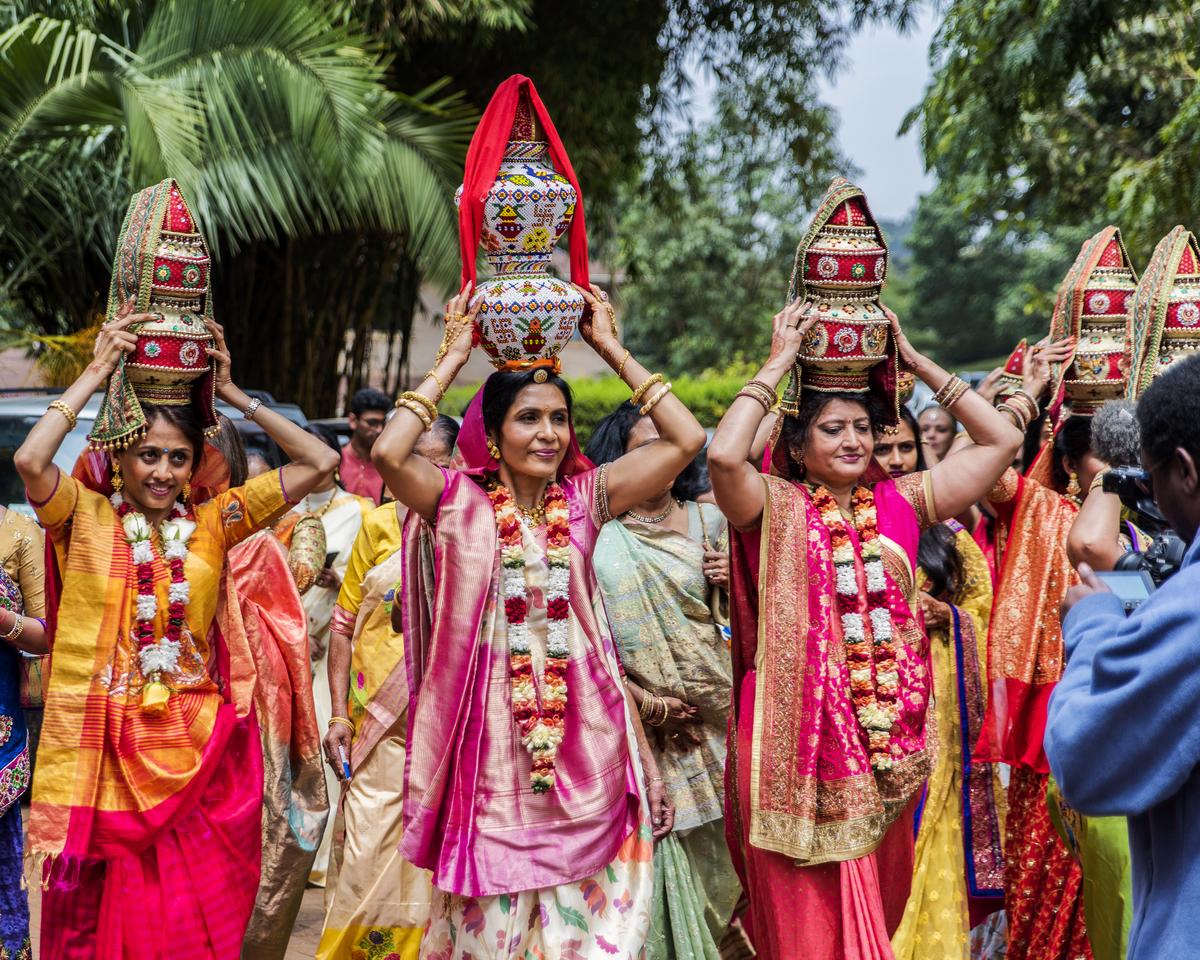
A wedding celebration
| Photo Credit:
Jennifer Watson
What remains invisible to many is the time involved — pre-counselling, follow-ups, and careful shortlisting. It can take a week, and sometimes ten days, to arrive at a serious set of profiles.
Today, there is no single way young people approach marriage. Some are ready to settle, others want to date first, and some prefer to explore before committing. While we do not believe in dating as part of our process, many young people do, which is why they turn to apps and websites.
What they often struggle with is our thoroughness. We ask questions, take time, and insist on clarity. Expectations have also shifted, with greater emphasis now placed on money, appearance, lifestyle, and spending power, while emotional compatibility is often considered later.
Some people know exactly what they want. Others do not. And some expect us to balance their desire for freedom with their family’s need for tradition. That tension—between choice and expectation—is what matchmaking is really about today.
(As told to Barry Rodgers)
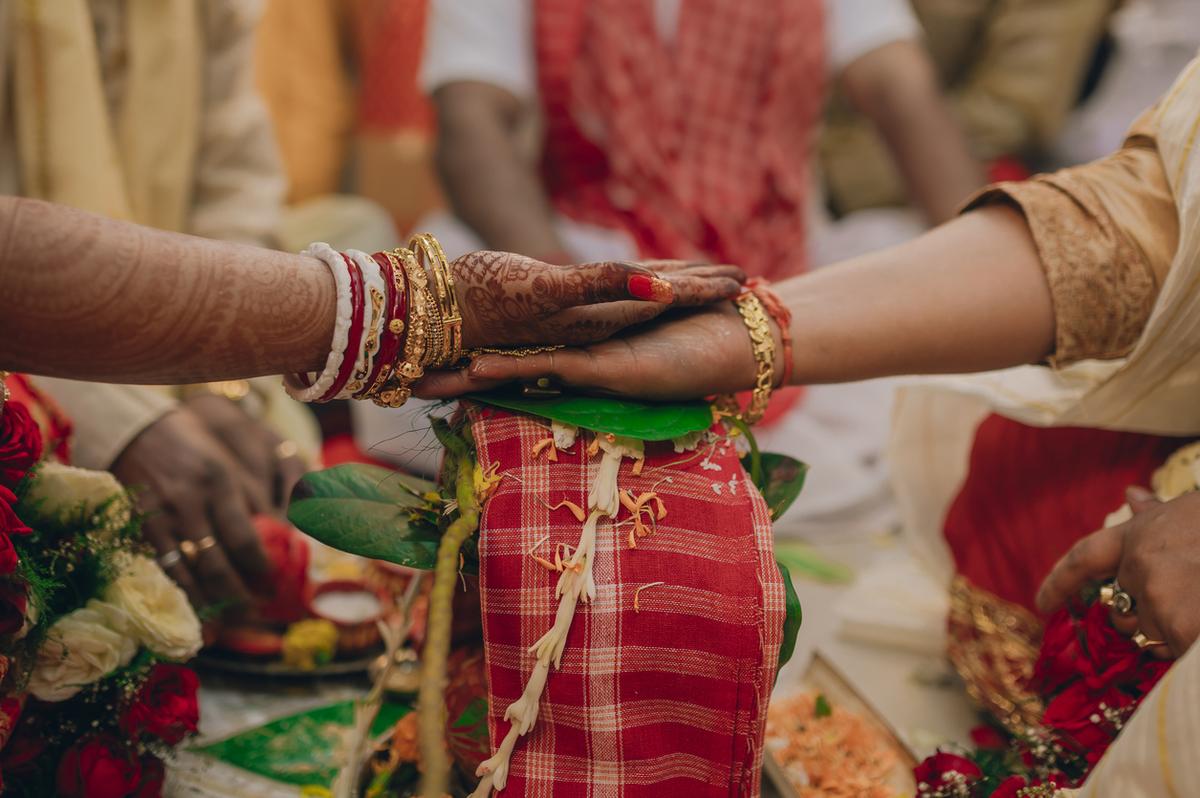
Bengali wedding ritual closeup image
| Photo Credit:
Pritam Mitra
Against the tide
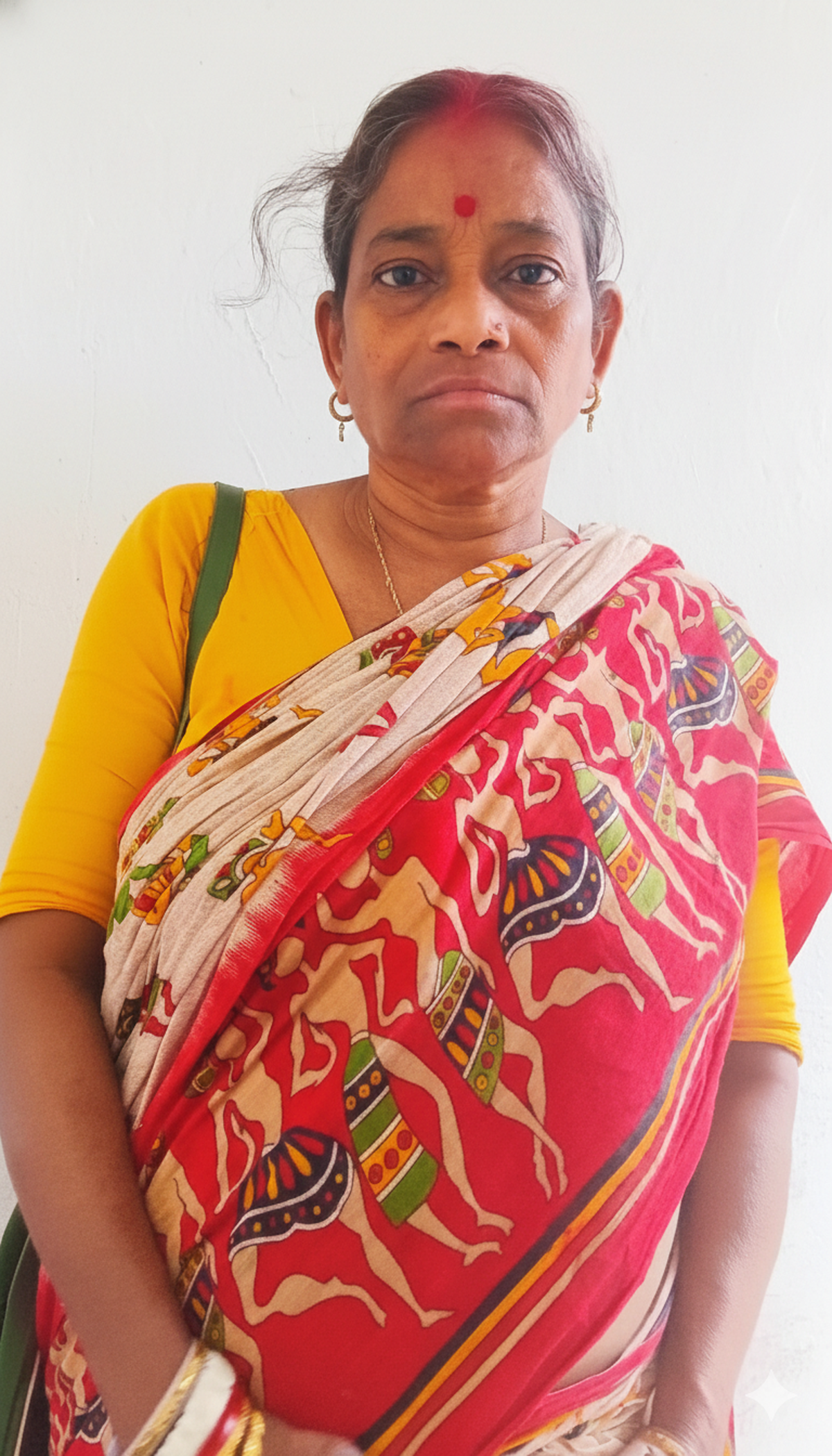
Meet Shikha Mondal, ghatak or matchmaker, Kolkata
The web of veins rising on the backs of my hands resembles the map I carry in my head: a network of brides and grooms, their families, illnesses, tempers, rumours, ambitions, and the small, intricate details of their daily lives. Even when I was expecting my first child, I was doing ghatkali (matchmaking) within Kolkata’s Bengali community.
I come from a time when marriages did not begin with profiles or photographs on a screen. In the 1980s and 1990s, they began with long afternoons spent listening to the structure of someone’s family tree. We moved briskly between households, carrying news, proposals, and the weight of expectations. Families trusted us. The matriarch would call us in, and we were allowed into the andar mahal (the inner quarters), where outsiders rarely stepped. We carried envelopes stuffed with photographs and biodata, and from those paper lives we tried to stitch a future.
There was always a process. First came the smaller meetings: the pishemoshai (father’s sister’s husband), with his memory of family lines; the sharp-eyed boudi (elder brother’s wife); the practical mami (maternal uncle’s wife) — each examining the proposal with diligence and seriousness. If things seemed right, there would be the paka dekha (when the parents and groom met and decisions were made.) Somewhere between these stages, I had to balance temperament, compatibility, family reputation, negotiations, and the arithmetic of dena paona (the giving and taking that keeps arranged marriages moving).
I learnt this work from my senior, Bela Singh. She is no longer alive, but for years we worked together, arranging alliances, travelling from one home to another, speaking to families, persuading, verifying, negotiating. I have been doing this for over 15 years now. Bela-di and I helped arrange at least 40 marriages together. I arranged my own daughter’s marriage myself.
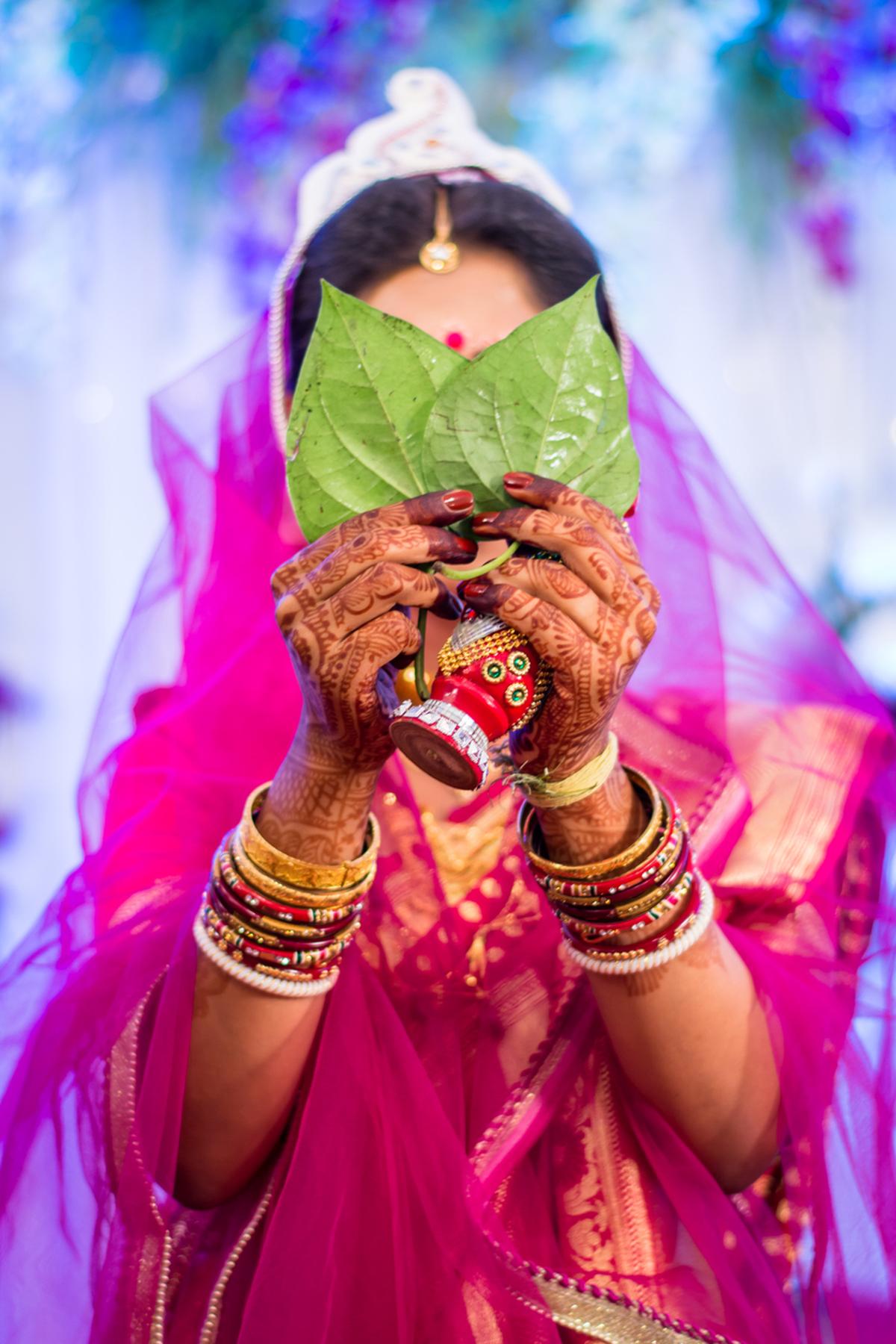
Beautiful bride performing Shubhodristi which is a Bengali culture wedding ritual done by the Bride in which she hides her face in front of the Groom.
| Photo Credit:
mantosh
In the 1950s, my parents’ alliance was fixed by a ghatak (matchmaker). Ghataks were always in demand. Families came looking for us; we were the first stop when a son or daughter reached marriageable age. I have worked across castes and classes, from lower-income households to wealthy families. But things have changed. With matrimonial websites and online platforms, our work has reduced sharply.
I am not very tech-savvy. I don’t know how to operate WhatsApp. My daughter helps me send images and biodata of potential brides and grooms through the application.
Before the rise of technology, many ghataks were pandas (Hindu priests or temple associates) from Kalighat temple. They were perfectly placed for this work. Families trusted them. They knew lineages, caste histories, financial conditions, and reputations. They could walk into homes and speak directly to decision-makers. That trust made matchmaking possible. Today, many of those same pandas have moved into real estate or other businesses. The demand for ghataks is simply not what it once was.
Working alone also means I am often cheated. Payments are discussed verbally, not documented. If the groom’s family is well-off, I ask for around ₹50,000; from the bride’s family, ₹40,000 if they are well-off, and ₹25,000–30,000 if they are not. Usually, I receive the money on the day of the ashirbad (the blessing ceremony before the wedding.) But many times, people simply do not pay. I am not very educated, so I trust people’s words. That has cost me.
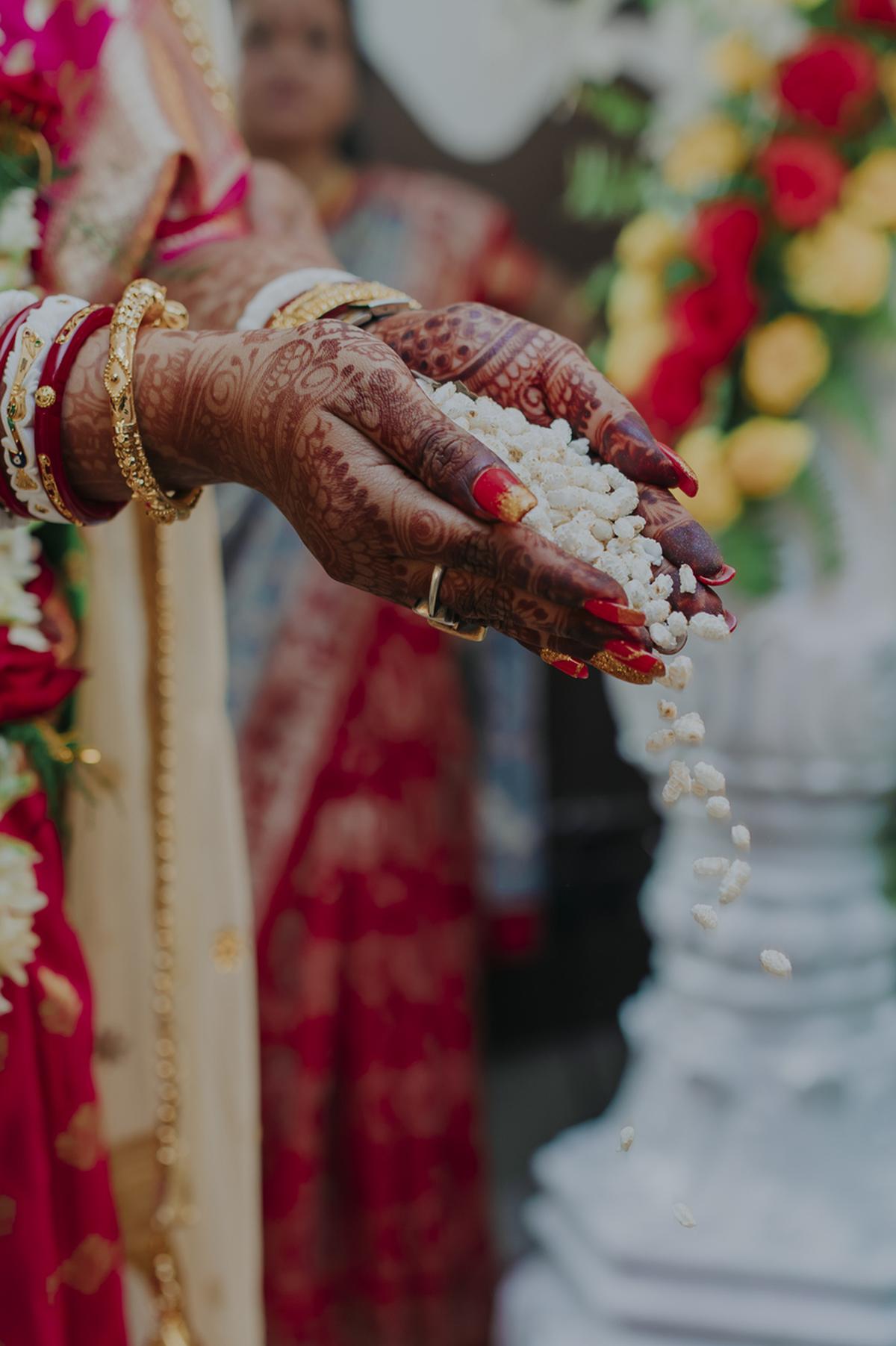
Bengali wedding ritual closeup image
| Photo Credit:
Pritam Mitra
Things are changing in other ways too. After newspapers and online matrimonial sites, my demand has gone down. I am trying to learn technology slowly, but it is not easy at my age, especially as my eyesight is failing. Sometimes I try working with other ghataks, but even then families bypass me after introductions, continue the process on their own, and stop calling. This happens often.
Finding brides has become harder than finding grooms. Many women today want to choose for themselves or arrange marriages online. Grooms are available, but suitable patris (brides) are fewer.
Earlier, matchmaking followed caste lines. Brahmin ghataks were known for remembering elaborate family trees; Kulin Brahmins (the highest stratum of Bengali Brahmins) depended on them to maintain ritual purity. Kayasthas (prominent, educated Indian community historically associated with administrative, clerical, and bureaucratic roles) worked with matchmakers who kept genealogical records going back generations. Baidyas (high-ranking Hindu community) had their own trusted networks. The work was organised, layered, and deeply tied to social hierarchy.
What I carry today does not fit into an app. I know families by voice, by hesitation, by their odd habits and mudradosh (unconscious gestures). I can read a room and its silences. I know reputations by heart. These are things you cannot Google. Platforms will multiply, but trust takes years to build. What I still hold together is this fragile economy of trust and long-standing relationships.
(As told to Shreya Banerjee)
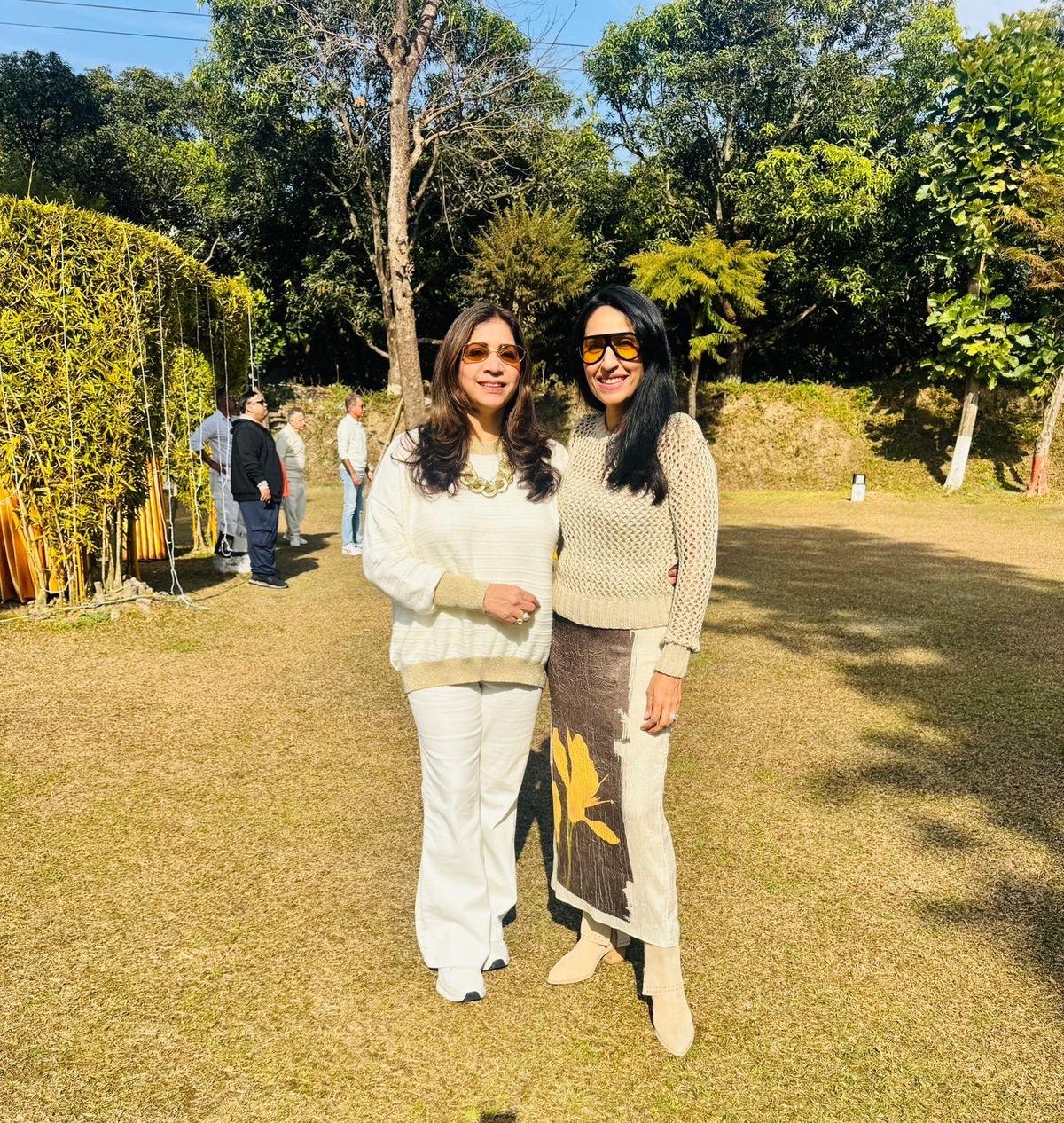
Better Together
Meet Sangeeta Dugal and Ritee Goswami
In 2020, my childhood friend Ritee Goswami and I founded our matchmaking company, Better Together. Headquartered in Delhi, with Mumbai as our second base, our reach extends across India and abroad.
Both Ritee and I are romantics at heart. Having grown up together, we were instinctively drawn to building meaningful connections. For years, we had been matchmaking informally and believed that everyone deserves a healthy, loving, and lasting relationship. After successfully bringing together many couples within our families and friend circles, we were encouraged to turn our passion into a profession. That was how Better Together came into being — with the intention of fostering genuine partnerships and shared happiness.
We believe marriage is a journey that begins not just with two individuals, but with two families coming together. Traditions, aspirations, and emotions all play a role, and we strive to support this process with patience, warmth, sincerity, and transparency.
Several factors guide how we choose and work with our clients. First impressions matter — how individuals present themselves and the warmth they bring to an interaction often shape the initial connection. Family background, expectations, and mutual respect are equally important.
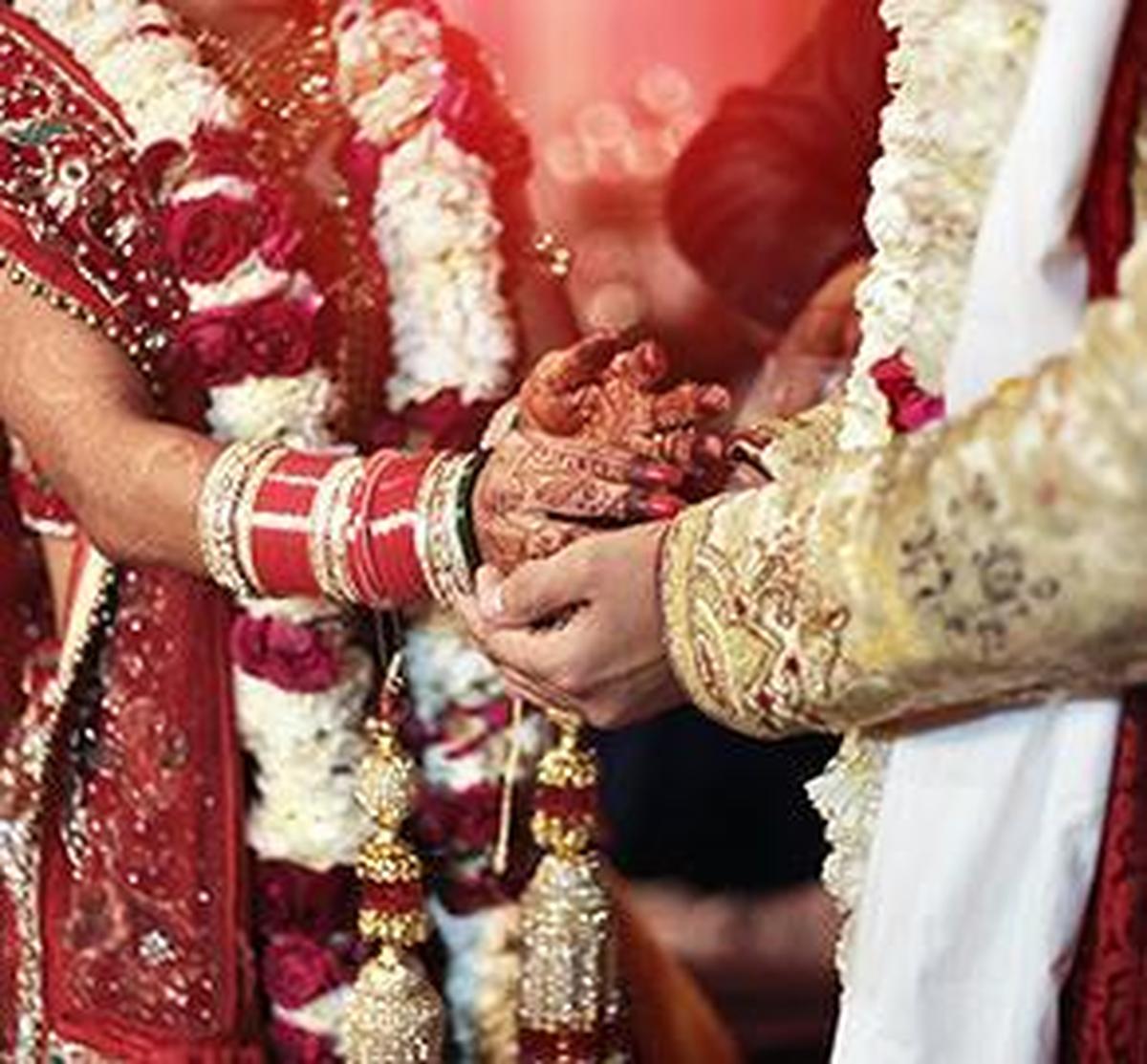
Indian wedding ceremony. Weddings in India vary regionally, the religion and per personal preferences of the bride and groom. They are festive occasions in India, and in most cases celebrated with extensive decorations, colors, music, dance, costumes and rituals that depend on the religion of the bride and the groom, as well as their preferences
| Photo Credit:
rvimages
We function as a dynamic team — analytical and responsible, yet caring and emotionally invested. We curate a refined mix of high-quality and high-profile profiles from India and abroad. Each is carefully evaluated and connected through a unique match index, designed to identify genuine compatibility rather than surface-level alignment.
We go the extra mile to help individuals find the right partner and shape a meaningful beginning. A structured process is in place for both parties, and clients may opt for additional verification services if they wish. In today’s digital age, access to information has made parts of our work more streamlined, while also raising new challenges.
While many people initially seek a good family, a handsome groom, or a beautiful bride, our role is to guide them towards what truly matters. We focus on five core compatibility parameters that form the foundation of a lasting relationship. Expectations and preferences have evolved, and while clients often approach us with fixed ideas, our responsibility is to help them move towards realistic, value-driven choices.
Social media has significantly influenced preferences, lifestyles, and decision-making, and matchmaking is no exception. Connections are easier to initiate, but this ease can sometimes lead to misunderstandings or premature judgments. That is where our role remains relevant.
We do not describe ourselves as a bureau. Our approach is personalised, reassuring, and deeply involved. We focus on bringing families together, not simply matching profiles. In a country of our scale, and in a world where dating apps do not always lead to meaningful marriages, curated matchmaking continues to hold value.
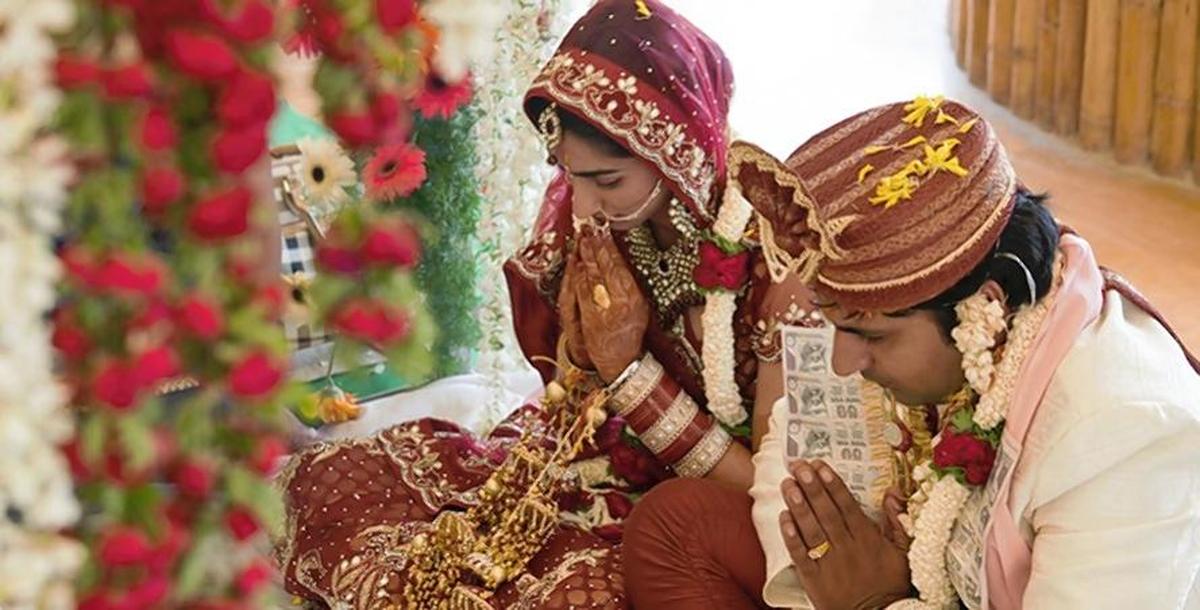
Happy Indian couple at their wedding.
| Photo Credit:
Manu_Bahuguna
When we first started, the response was encouraging, though not without its challenges. Understanding market dynamics and family mindsets took time, and early on, we focused on balancing expectations on both sides. We do not track success through numbers alone, but we regularly hear from families and parents seeking our services. To maintain quality, we consciously limit volume.
Matchmaking has always been an emotional and cultural practice in India. One-to-one connections have endured for generations. Perhaps, in today’s fast-paced world, we are simply finding our way back to what has always worked.
(As told to Amarjot Kaur)
#traditional #matchmaking #works #India