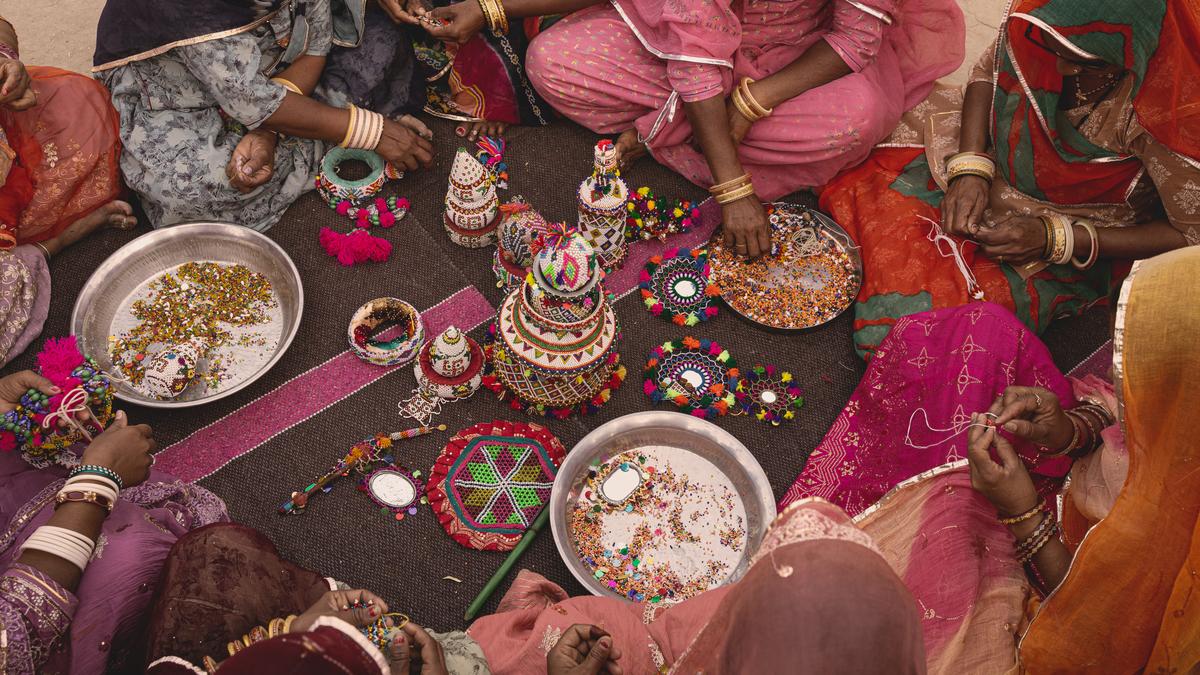
Long before Gujarati traders bartered cotton for Venetian glass beads in East Africa, the Indus Valley Civilisation had already established terracotta beadmaking traditions in Kutch and Kathiawar. This is the cultural lineage of the region’s pastoral communities that husband-wife duo Puja and Kunal Shah, founders of fine-jewellery brand Moi, encountered two years ago while shaping their brand’s first exclusive capsule.

“We were looking to curate a jewellery collection that qualified as rare collectables and was only available offline. Searching for inspiration, we toured Kutch looking for motifs and textiles that came with a solid backstory,” says Puja, who trained as jewellery designer at The Fashion Institute of Technology in New York and worked briefly at Brooklyn Museum and The Metropolitan Museum of Art.
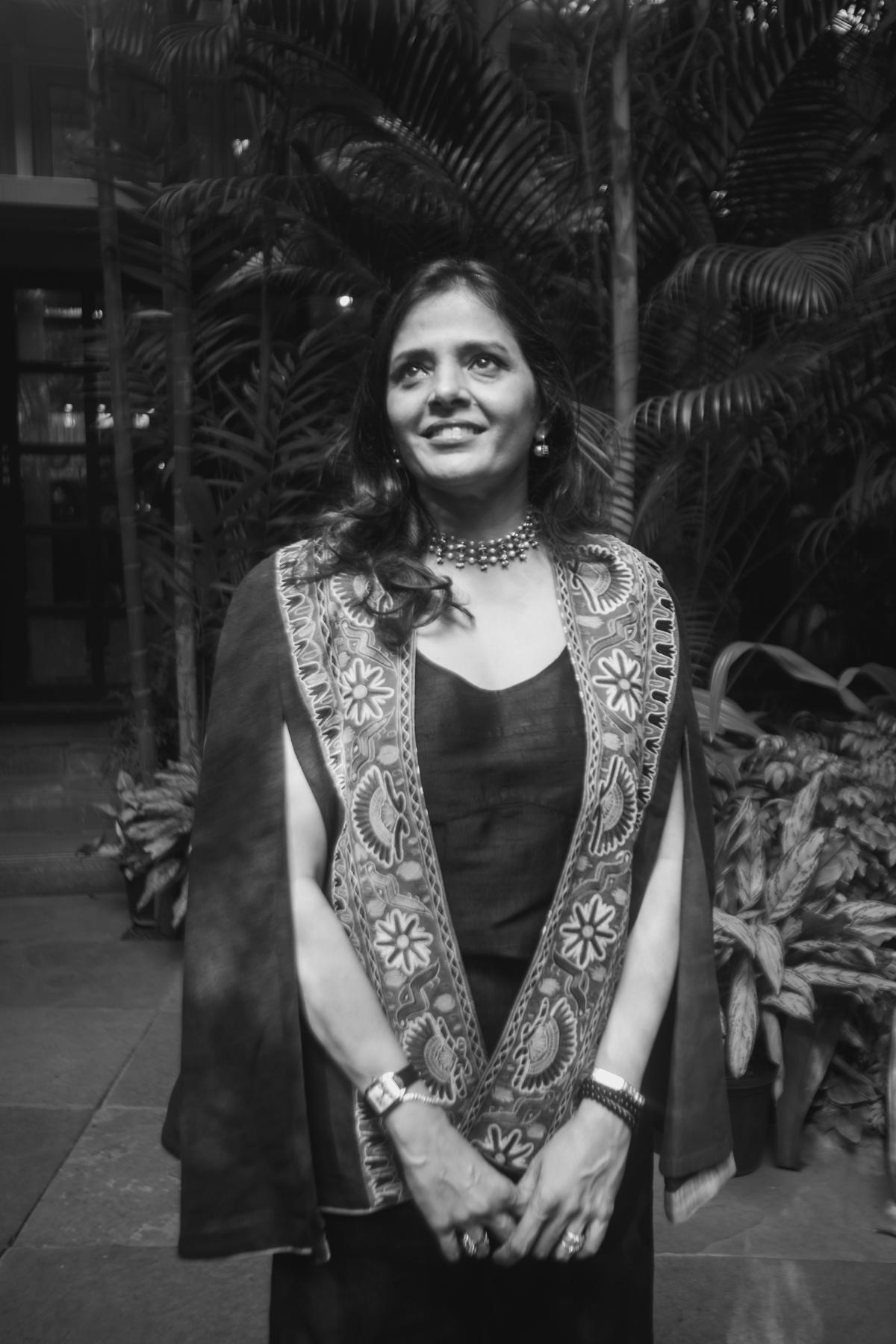
Puja Shah, co-founder of Moi
| Photo Credit:
Special arrangement
The duo’s expedition birthed Moi’s Kutch collection, launched last year, which put the spotlight on jewellery-making traditions of the pastoral communities in the region. That year, the brand also presented its nine-month research on the subject at the Society of Jewellery Historians. “One of the key pieces from Kutch Collectibles, bird brooches, was picked up by Isha Ambani (daughter of billionaires Mukesh and Nita Ambani) and she wore it at the Met Gala last year,” remembers Puja.
Kunal brings back the attention to the communities: “It was during 15th and 17th Century that communities like Rabaris, Sindh Jats and Ahirs started working with Venetian glass beads. A lot of motifs were inspired by the region’s traditional textile crafts Patola and Bandhani, but each community had its distinct beading techniques and motifs. Most of this beaded jewellery was made by women and was an integral part of the bride’s trousseau.”
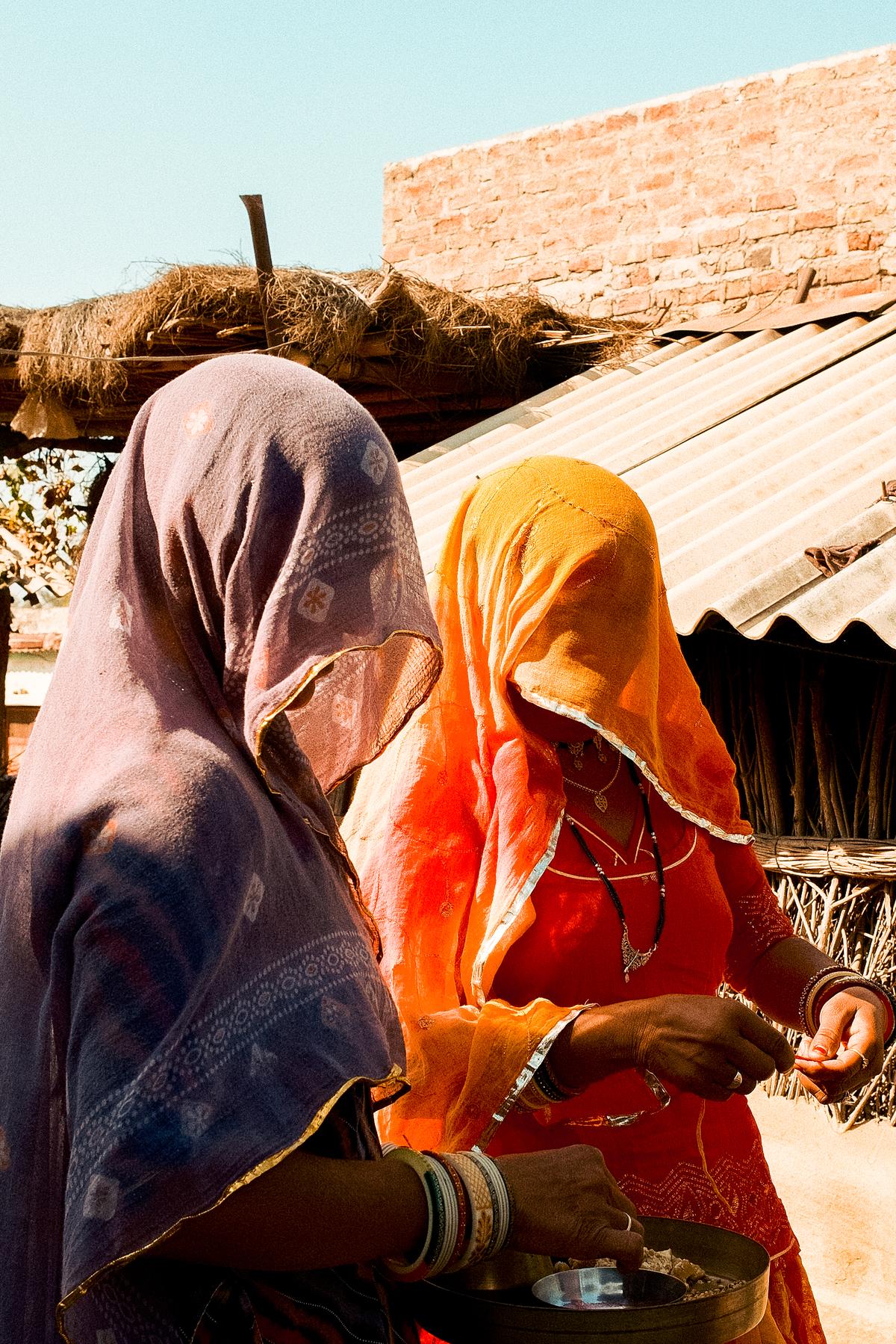
The women of Meghwal community in Rajasthan
| Photo Credit:
Special arrangement
Motivated by an impressive response from urban elite and global stage, the duo felt the urge to expand its research to the pastoral communities across western India. That is when they found an ally in Princess Gauravi Kumari of the erstwhile royal family of Jaipur, who became the brand’s cultural collaborator and gave them access to the beadwork of Meghwal community in Rajasthan.
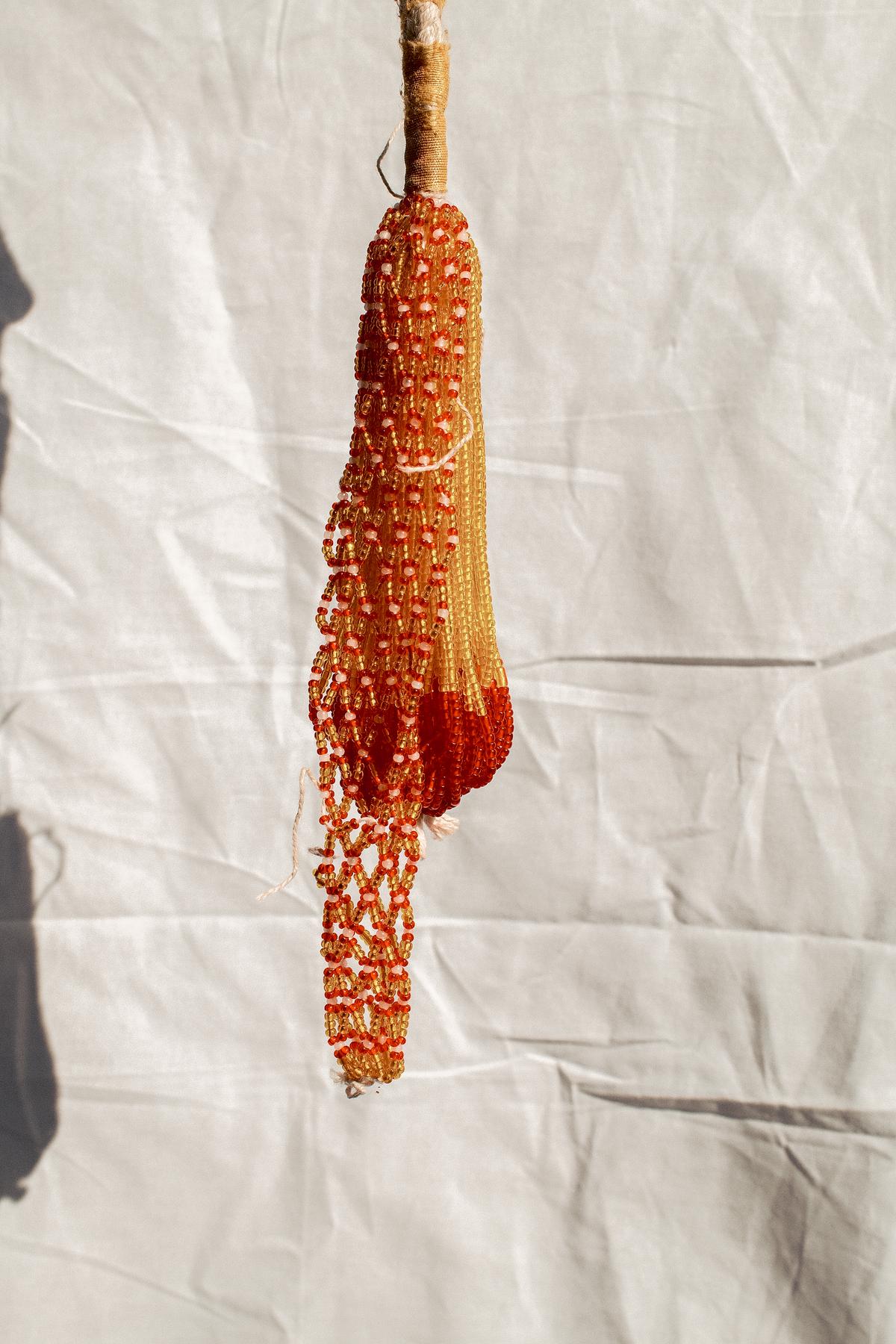
Beadwork by Meghwal community of Rajasthan
| Photo Credit:
Special arrangement
Moi has now distilled its experiences and knowledge into a new collection Serai, which will be unveiled at London Crafts Week (May 13–16), alongside the exhibition Unbound by Beads: Migration, Memory & Material, in collaboration with Princess Diya Kumari Foundation (PDKF) Artisan Collective. The collective, founded by Gauravi, is an initiative to empower rural Indian women artisans.
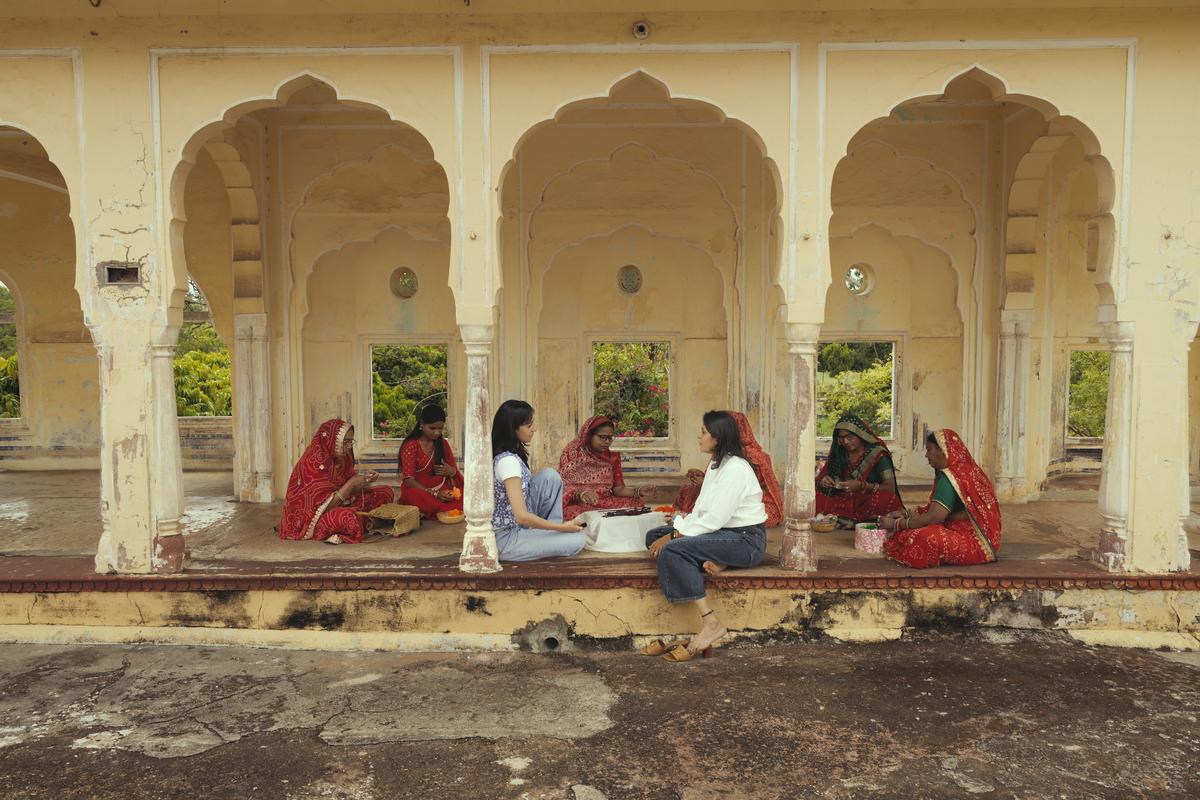
Princess Gauravi Kumari of the erstwhile royal family of Jaipur, became the brand’s cultural collaborator and gave them access to the beadwork of Meghwal community in Rajasthan
| Photo Credit:
Special arrangement
“We were serendipitously acquainted with Gauravi through a common friend and had it not been for her, it would have been hard to find these pastoral communities of Rajasthan. They stay in small hamlets near Barmer and migrate in search of water and work,” informs Kunal. It is this very nature of these tribes that inspired the title of both, the exhibition and the collection. “The word unbound comes from beadwork becoming the artistic expression of women in these communities, while migration refers to their nomadic lifestyle. We refer to memory because beadwork techniques are passed down from a mother to her daughter and the material too differs from one community to another. The Rabaris, for instance, use many different shapes of beads,” says Puja.
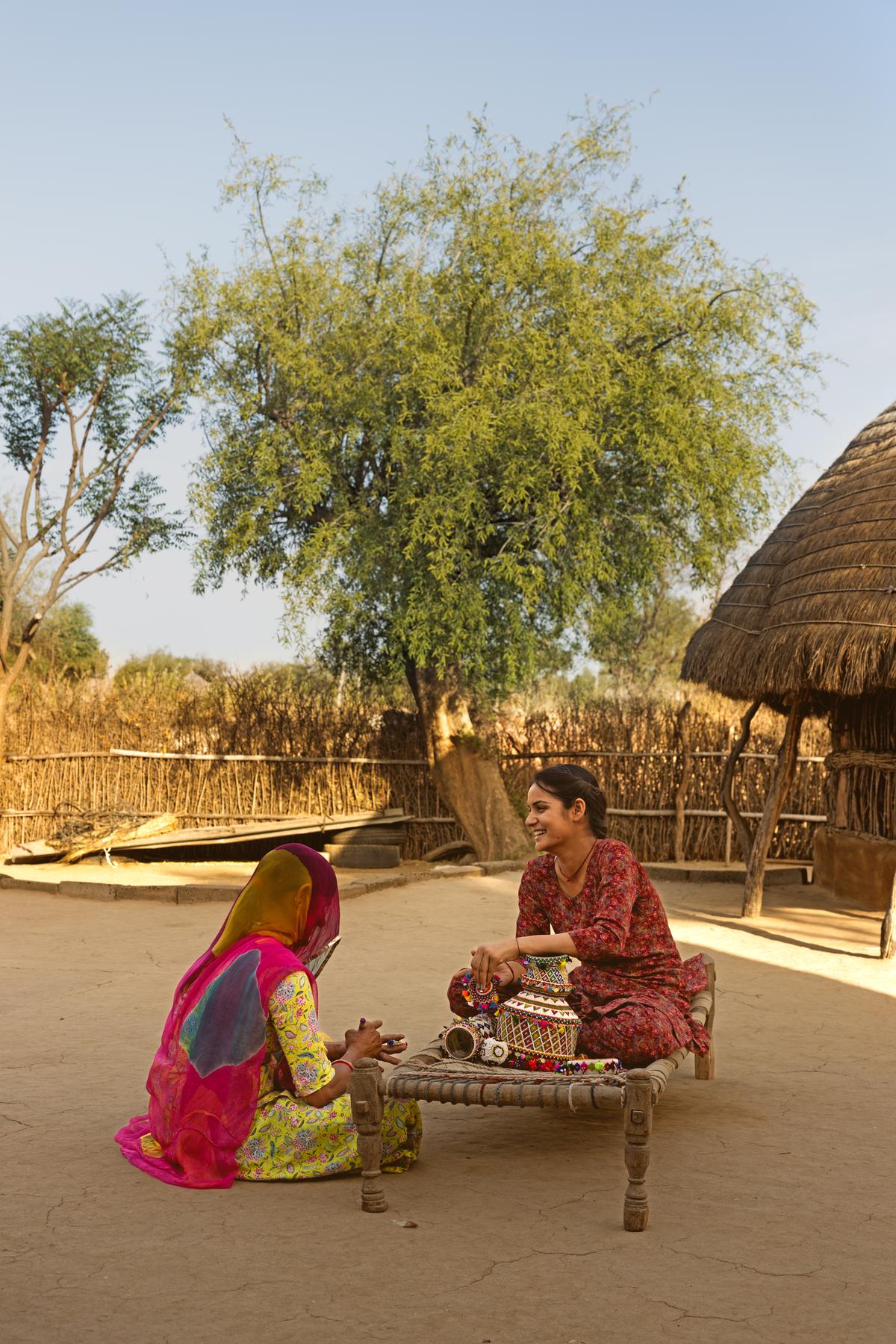
Beadwork techniques are passed down from a mother to her daughter
| Photo Credit:
Special arrangement
The exhibition will showcase a total of 35 beaded objects, including 12 jewellery pieces from Serai. “Serai, by the way, means a resting place for the caravan of nomads/tribes,” adds Puja. She explains that the artefacts have been categorised in three different sections: Self-Consumption, Ceremonial and Self-Expression. “The people of these communities make these objects for themselves,” she shares.
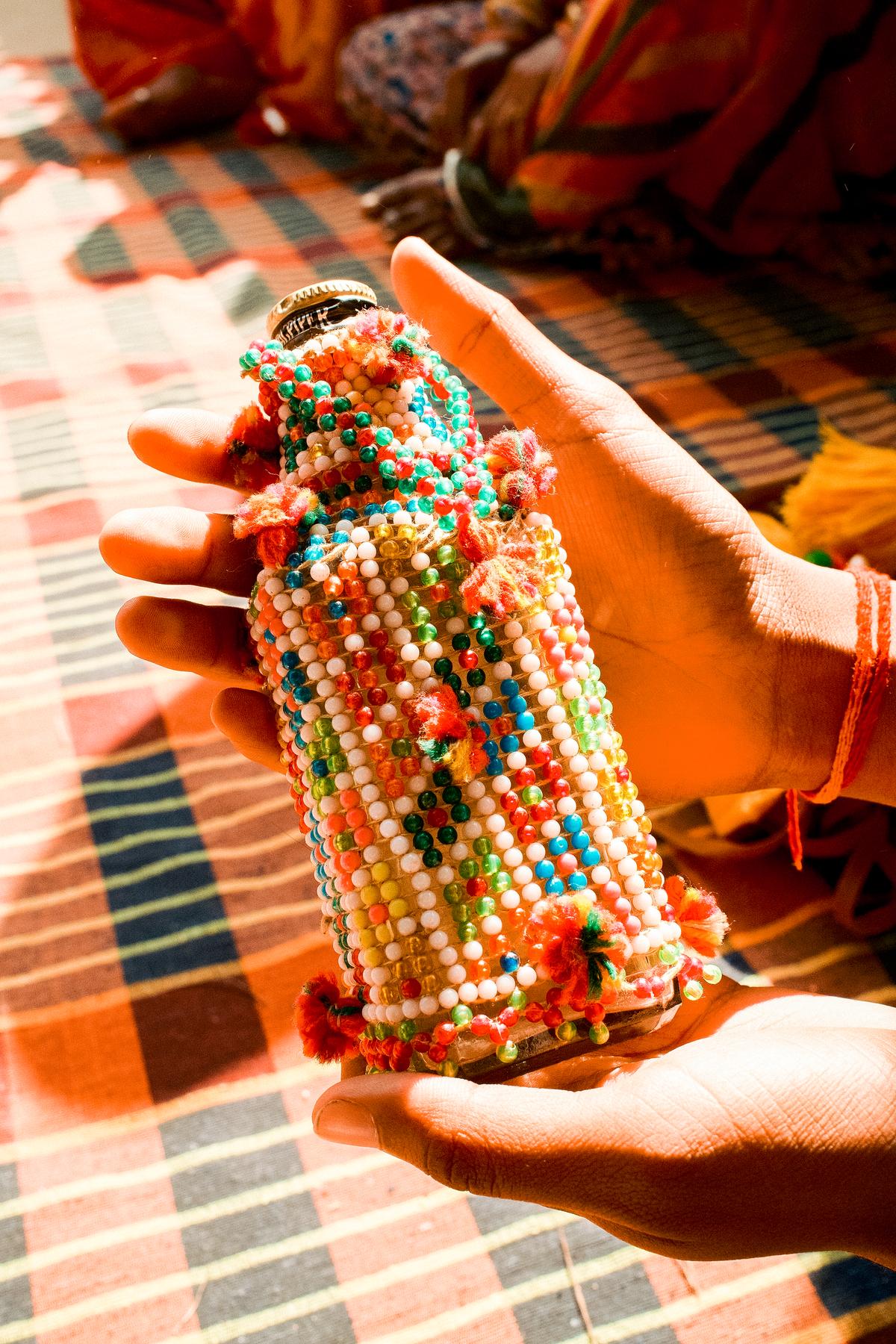
The Meghwal community adorns its personal items with intricate beadwork
| Photo Credit:
Special arrangement
The first section comprises beaded neckpieces, bangles, bhajubands (armlet) and ear accessories, while the second includes beadwork tied to marriage customs, dowry trousseau and public celebration. “Ceremonial artefacts at the exhibit include a pair of beaded anklets, bhajuband, waistchain, sehra (60-65 years old traditional headdress worn by grooms) and a covering for the sword — all of which are a part of the groom’s wedding attire. There are beadwork-adorned dandiya sticks, and rolling pin with bead embellishments,” says Puja.
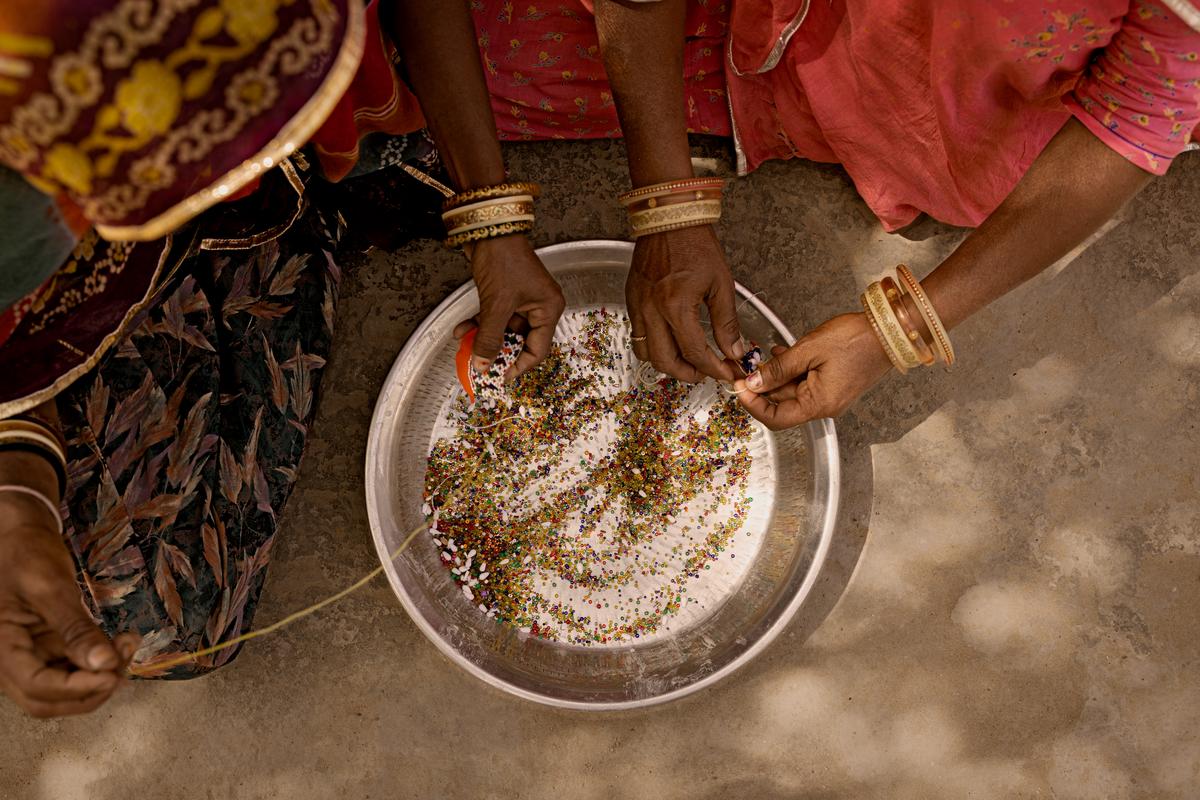
Beadwork is not merely ornamentation, but a living archive of movement
| Photo Credit:
Special arrangement
The third segment showcases everyday objects like beaded pankha (fan, 90-95 years old), makhiyaro (90-95 years old decorative ornamentation used for embellishing the cattle), beaded coconuts (samaiyo) and beaded pots (indhoni; 45 years old), Shindga (resembles a horn and is used as a decorative item or a cradle toy and is an icon of good omen). “Among these we also have a set of three glass framed chaklas (decorative hangings) sourced from an auction at Christie’s,” Puja informs. She adds, “All the exhibited objects, except the ones from Serai, are the property of Moi. Some were purchased directly from these communities, while others were bought from antique dealer or auction houses.”

Speaking of Serai, Puja shares that the collection champions beadwork along with other jewellery making techniques like enamelling and filigree. The limited edition earrings, brooches, and necklaces feature natural gemstones, diamonds, and pearls set in 14 and 18 carat gold.
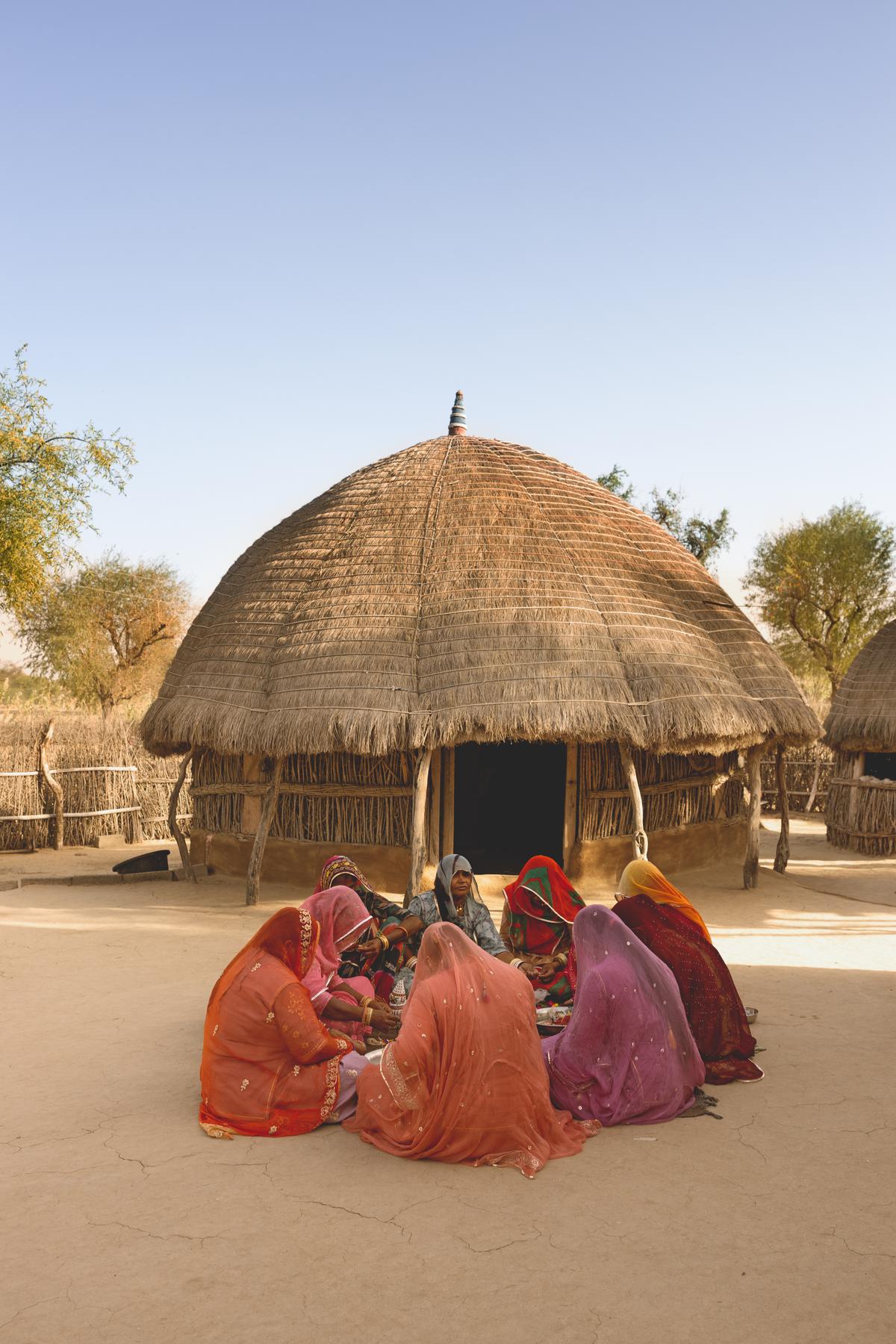
At a hamlet near Barmer, women engage with beadwork
| Photo Credit:
Special arrangement
“Though I am partial to all 12 pieces in the capsule, a must-see are two ear pendants and a brooch that have have been inspired by Rohida (Tecomella undulata), the official state flower of Rajasthan. Also, across Gujarat and Rajasthan, the tawiz ka kantha has been worn close to the body as a cord-strung amulet necklace that carries within it the weight of protection, faith and belonging. The Madaliya Necklace from Serai draws from this archival silver necklace and is studded with sapphires, pearls, tourmaline barrels banded in diamond pave, fluted purple amethyst cabochon, citrine amulets — all held together by a silk cord tassel closure tipped in beads,” Puja says, when asked to pick her favourites from the new collection.
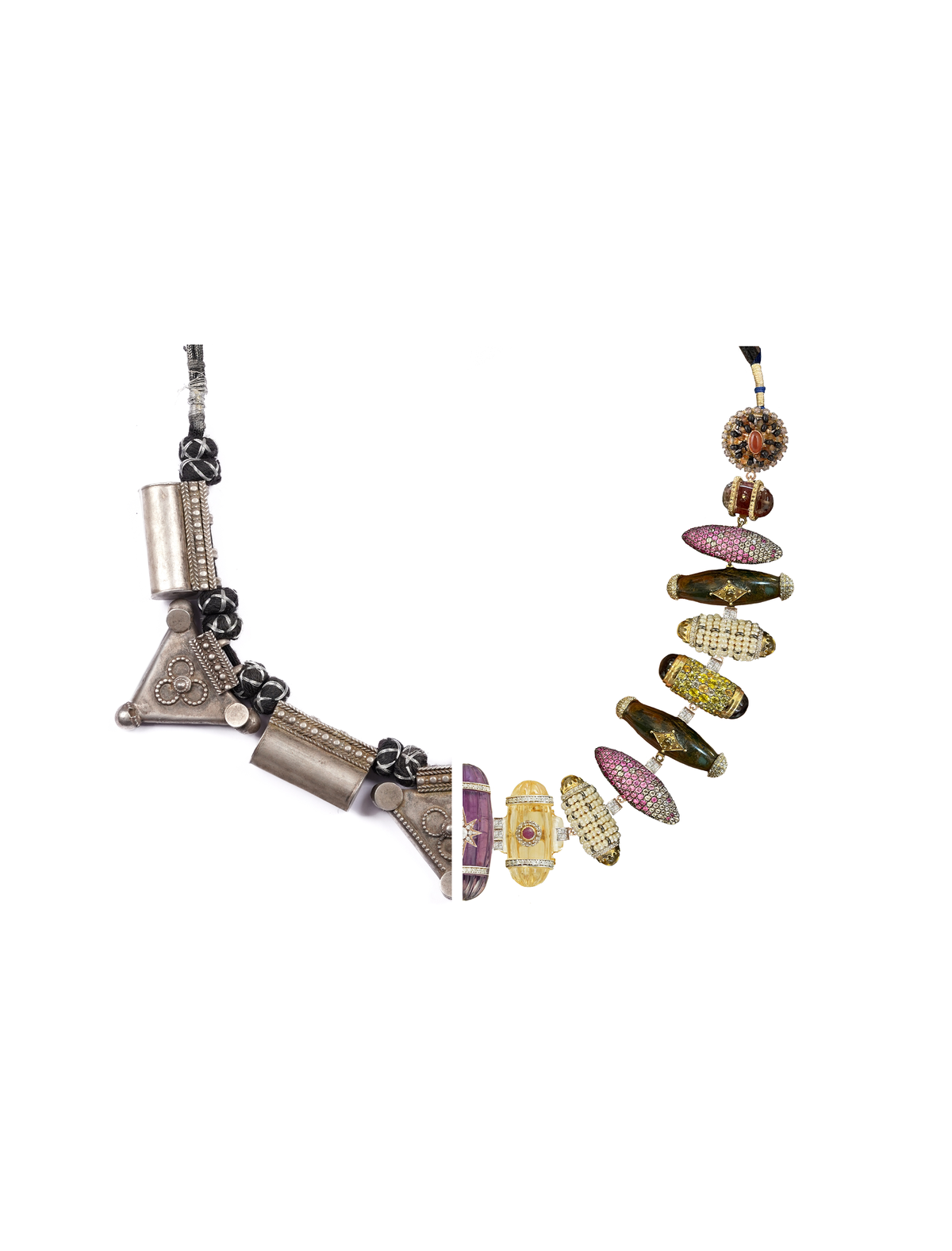
The Madaliya Necklace from Moi’s Serai collection
| Photo Credit:
Special arrangement
As Serai travels from the salt deserts of Kutch and the migrating settlements of Barmer to the polished galleries of South Kensington, Moi’s exhibition ultimately argues that beadwork is not merely ornamentation, but a living archive of movement, memory and survival. Moi’s collectible jewellery is therefore documenting a fragile cultural language before it disappears into history.
Stringing narratives
According to Moi’s research, four primary techniques structure the beadwork craft. In the mono-bead method (ekamoti-nu), a single bead is threaded at a time, allowing tighter and denser surfaces. In the tri-bead method (tran-moti-no kaam), three beads are worked together to create flexible net-like constructions suited to hanging forms and borders. Similarly in the five-bead method (paanch moti no kaam) and seven-bead method (saath moti no kaam), five and seven beads are worked together in the thread at a time to create lattice-like structures.
Moi’s Serai collection and exhibition Unbound by Beads: Migration, Memory & Material will be on view at The Lavery in South Kensington, London, from May 13 to 16 (10am–7pm); Serai’s limited edit starts at $10,000.
Published – May 08, 2026 08:34 pm IST
#centuriesold #beadwork #pastoral #communities #Kutch #Barmer #heading #London #Crafts #Week