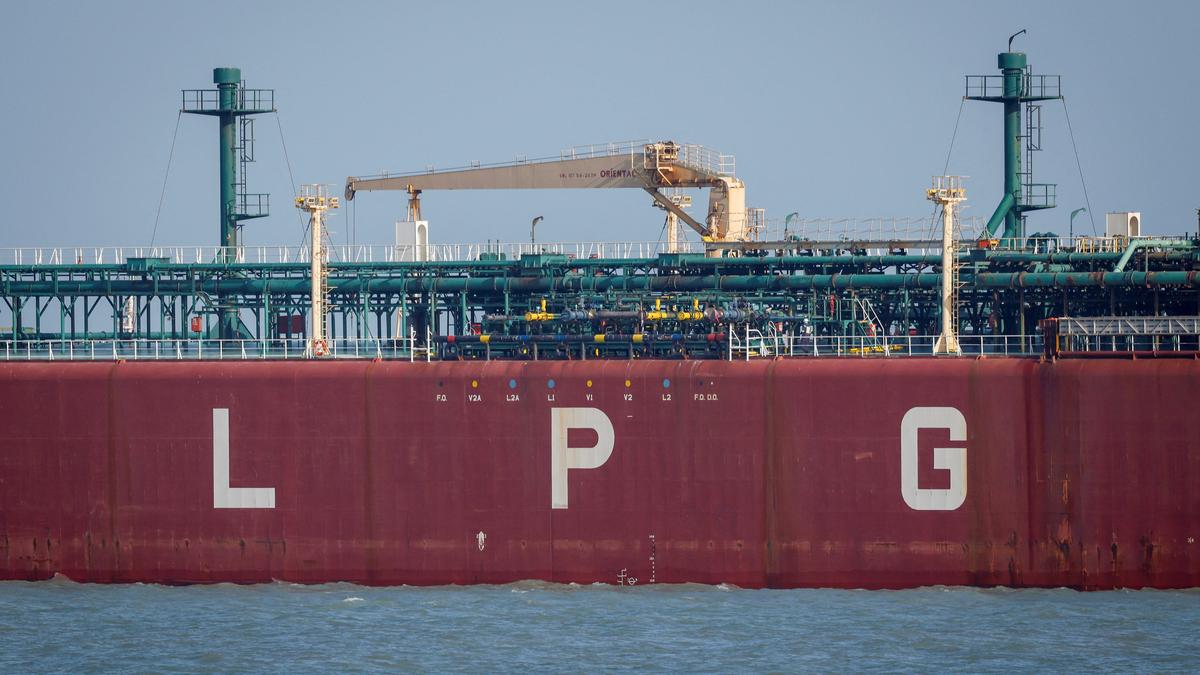
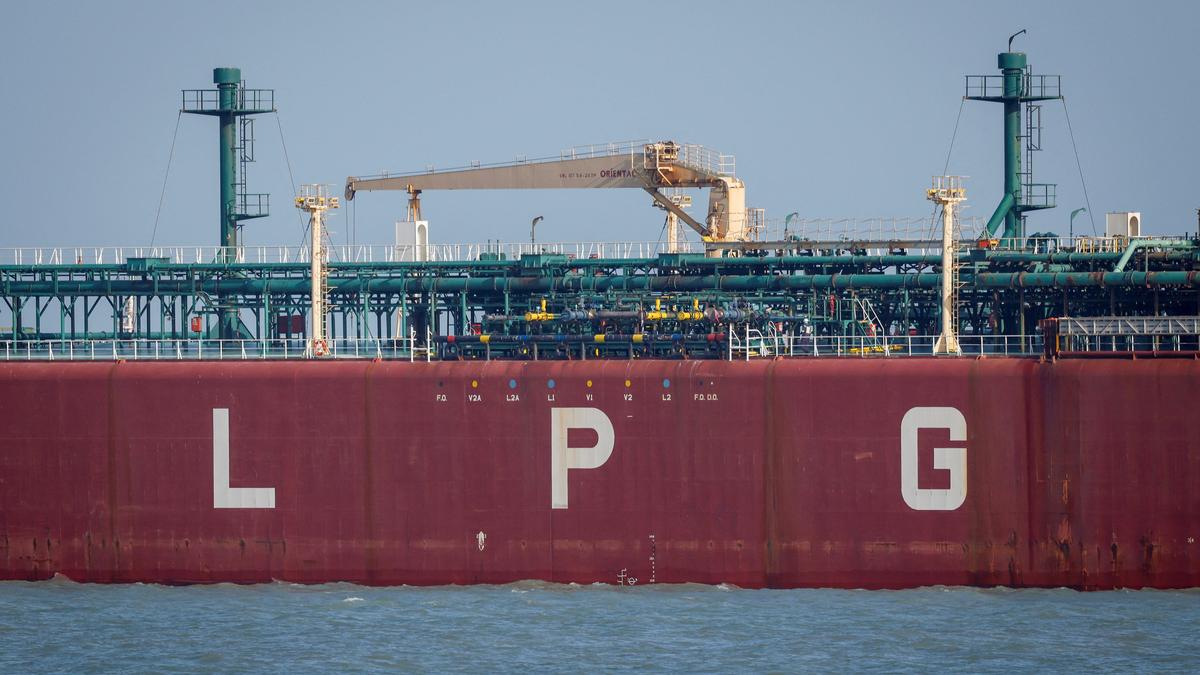
LPG ships are being re-routed to the U.S. which is much farther away than the Persian Gulf for major markets such as India, Japan and China. Representational photo
With the Persian Gulf, from where 60% of India’s LPG consumption came shut, the U.S. has emerged as a major LPG supplier. In March, 4.5 lakh LPG shipments left the U.S. for India, up from 3.2 lakh and 2.7 lakh tonnes in previous months, as per data from Kpler, a source of global trade intelligence. India imported nearly 10 lakh tonnes in March.
In April, however, shipments that left the U.S. for India dropped to 3.72 lakh tonnes and for the half-month in May, it was 1.67 lakh tonnes, as per Kpler.
The reason for less lifting in subsequent months, shipping experts say, is less gas carrier availability due in-part to ships taking the Cape of Good Hope route around Africa rather than the shorter Suez Canal route. “U.S-India voyages via Suez Canal have been absent since January 2024, dropping in the aftermath of the increase in Houthi attacks on commercial shipping in the Red Sea waterway since end of 2023.
The preference for the Cape of Good Hope route is more likely driven by risk management, avoiding any elevated risk insurance premiums and the potential for renewed security threats in the Red Sea/Bab el-Mandeb area, where commercial shipping has previously faced disruptions,” says a Kpler statement mailed to The Hindu.
LPG ships are being re-routed to the U.S. which is much farther away than the Persian Gulf for major markets such as India, Japan and China. “Around 40% of US–Asia LPG cargoes are now being re-routed via the Cape of Good Hope. This has materially increased tonne-mile demand, adding 20 days or more to voyage durations, effectively tightening vessel availability and pushing freight rates sharply higher across all major routes,” says Manish Sejwal, senior vice president for commodity markets at Rystad Energy.
Mr. Sejwal talks of Panama Canal congestion as well. The reason for that is increased Liquified Natural Gas ship crossings. LNG ships have more priority than LPG ships at the canal, resulting in LPG carrier congestion.
India had built a conveyor belt of ships serving the Persian Gulf with some 20 Indian-flagged ships it could command at will.
This number was sufficient for round-trips from Qatar to Mumbai that would take some 10 days, and 20 days for Kolkata. But for 90-day U.S. voyage round trips, India needs several times more Indian-flagged LPG carriers to serve Indian needs smoothly.
While India has sent four of its Very Large Gas Carriers (VLGC) that returned from Persian Gulf after the war started to the U.S., it has had to ramp up its command of foreign-flagged ships, too. India is picking up more spot cargoes and hence the drop in arrivals from United States Gulf Coast, say experts.
Published – May 19, 2026 11:09 pm IST
#LPG #Ship #scarcity #hits #U.S #imports