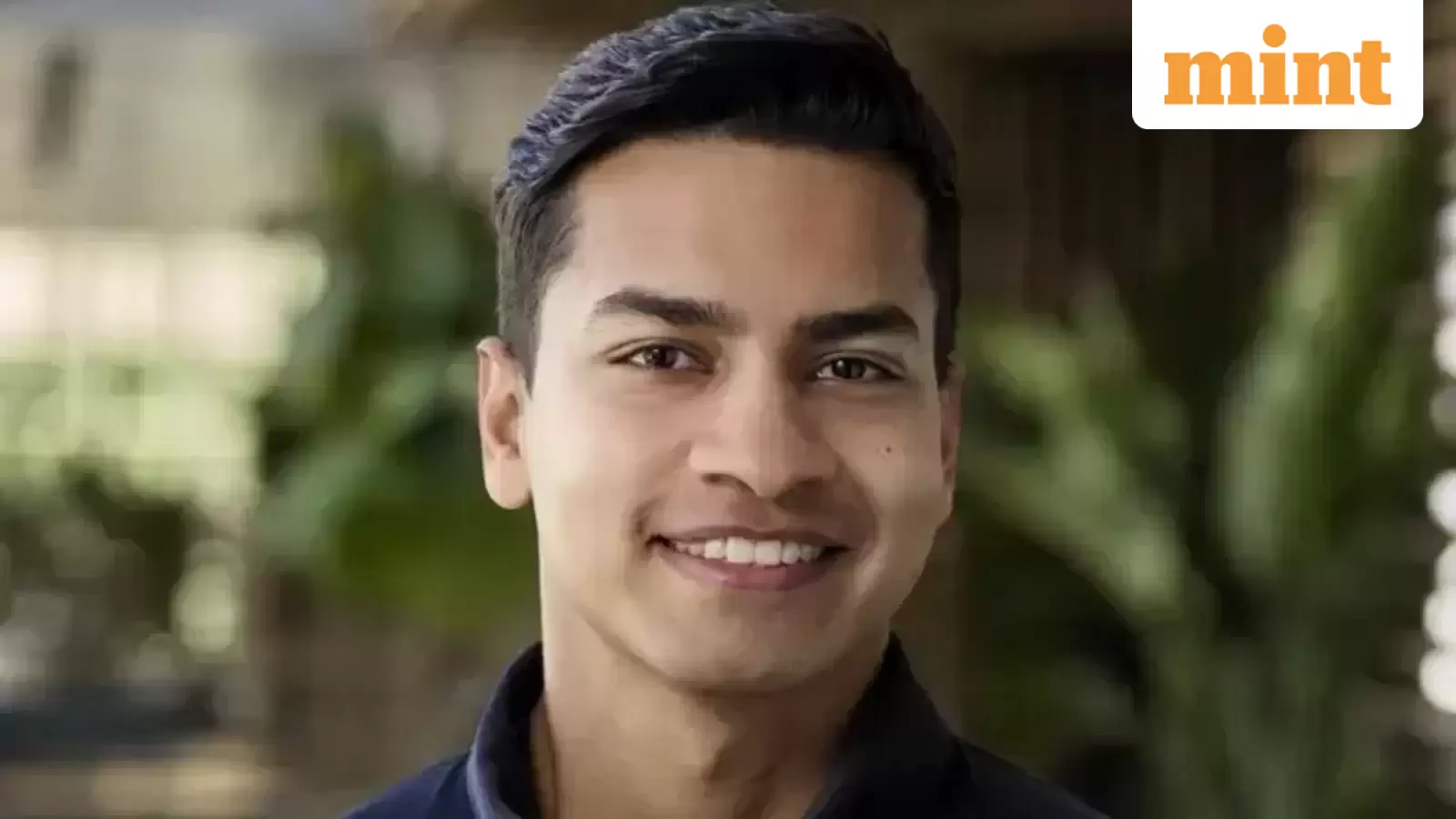
As more people turn to artificial intelligence for answers to health-related questions, OpenAI is expanding its focus on healthcare. At the centre of that effort is Karan Singhal, a former Google researcher who now leads health research initiatives at the company.
According to a Business Insider report, more than 230 million people use ChatGPT each week for health and wellness advice. Singhal’s goal is to make the chatbot more accurate, useful and trusted by both patients and healthcare professionals.
OpenAI’s Growing Focus On Health
Before joining OpenAI in mid-2024, Singhal worked at Google, where he helped develop Med-PaLM, a series of AI models built specifically for medical questions.
Speaking to Business Insider, he said OpenAI’s GPT-5 family is the first set of models at the company to be trained throughout development with a stronger emphasis on health-related performance.
“You definitely want the models to be ahead of everything else,” Singhal said.
When he joined OpenAI, GPT-4o was the company’s flagship model. Since then, he has focused on improving the quality of health responses generated by ChatGPT.
Singhal told Business Insider that he felt a “responsibility” to make the system better as more people began relying on it for health information.
Working With Hundreds Of Doctors
To strengthen ChatGPT’s healthcare capabilities, Singhal helped build a team of health researchers and established partnerships with more than 200 physicians.
He described the effort as a strategy focused on “aggregating the wisdom of the crowd.”
The collaboration later led to the launch of HealthBench, a framework designed to evaluate how well AI systems perform on health-related tasks.
“Once you know how to evaluate it, it becomes a lot easier to improve it,” Singhal said.
According to OpenAI, its latest free model, GPT-5.5 Instant, performed better than both physician-written responses and GPT-4o in company evaluations. OpenAI also said it recorded a 71% reduction in health-related responses flagged for inaccuracies over the past two months after analysing billions of anonymised conversations.
Moving Beyond Traditional Search
For years, people seeking health information online have largely relied on search engines that direct them to websites and articles. Singhal believes chatbots can offer a more interactive experience through back-and-forth conversations.
However, one challenge remains: unlike doctors, AI systems typically know very little about a patient’s personal medical history.
To address that issue, OpenAI introduced a health-focused ChatGPT feature earlier this year that allows users to connect health applications and upload medical records.
Singhal shared an example involving his own Apple Watch sleep data. After analysing the information, the system suggested that his bedroom temperature could be affecting the quality of his deep sleep.
Teaching AI To Ask Better Questions
A key priority for OpenAI’s healthcare team is making ChatGPT better at gathering information before offering guidance.
Rather than immediately providing answers, Singhal wants AI systems to ask follow-up questions similar to those a doctor would ask during a consultation.
The broader goal, he said, is to make AI healthcare tools useful not only for technology enthusiasts but for everyday users as well.
“People’s adoption will only move at the speed of people’s readiness in practice, and so you have to guide people towards that, especially as the technology improves,” Singhal said.
As AI companies increasingly compete in healthcare, OpenAI sees the sector as a major area of opportunity. With hundreds of millions already using ChatGPT for health-related queries each week, the company is betting that conversational AI could become an increasingly important part of how people access medical information and support.
#OpenAI #transform #healthcareand #Indian #researcher #Karan #Singhal #helm