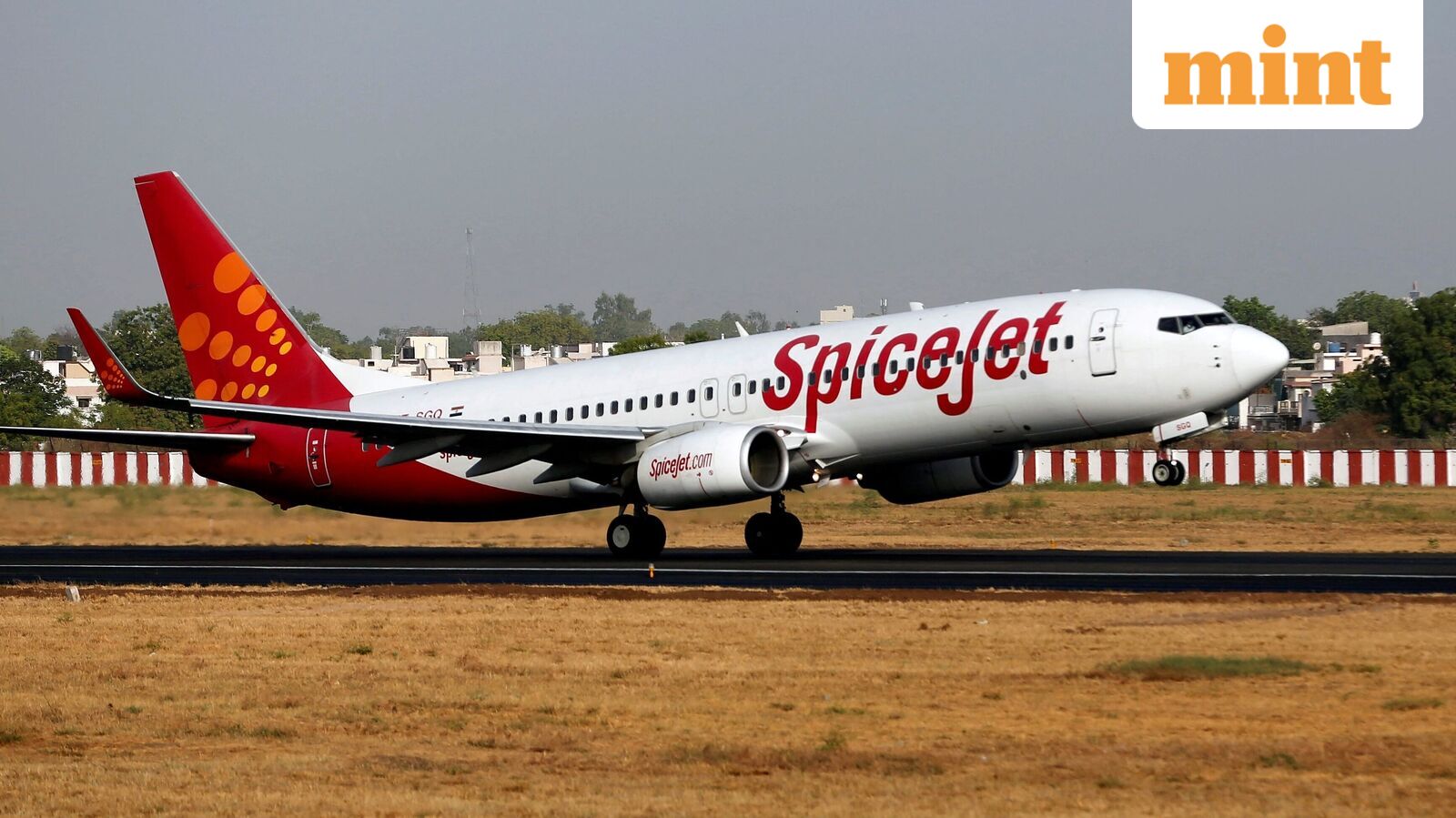
SpiceJet is perennially referred to as financially beleaguered. The airline, which nearly went down in December 2014 and saw a change of ownership and multiple challenges since then, is now adding capacity in every possible way. SpiceJet lost its market position to Akasa Air, and its domestic market share went below 2% for a few months this year.
With a fund infusion of ₹3,000 crore over the last year, the airline also settled many disputes it had with lessors and other creditors. This included the conversion of dues to equity for Carlyle Aviation Partners, one of the lessors, along with settlements with a few others, which gave SpiceJet ownership of 19 Q400 aircraft. The Q400 has been out of production for some time. However, the airline has not been able to unground planes at the rate it had promised, with one of the reasons being supply chain constraints.
The situation for lessors was a perfect case of “once bitten, twice shy”, and the airline found itself without active planes from the market to induct, its deal with Boeing for MAX aircraft in jeopardy and awaiting possible revival while the airline kept watching its domestic market share slide rapidly. This led the airline to lean towards wet-leases, where the crew (both cockpit and cabin crew) are provided by the operator and is a short-term engagement where another airline operates for SpiceJet, which markets the flights, sells them as well as handles them at various airports. These flights are operated and sold with SpiceJet call sign.
This winter, the airline has nearly doubled its active fleet and with the IndiGo operational crisis during peak times, SpiceJet seems to have had a fortuitous windfall.
Wet-lease to the rescue
Data reviewed via the flight tracking website Flightradar24 shows that the airline is operating 16 wet-leased aircraft right now, comprising the MAX 8 and the B737-800NG aircraft. This is just short of the 18 planes from its own fleet which are operational, taking the total count of planes operating for SpiceJet to 34, which is double of what it was operating in the Summer schedule and had seen the market share eclipse to less than 3%. At the moment, the airline has more operational planes than Akasa Air and could regain its third position in the market behind IndiGo and Air India group, which is reported as a combined market share by the regulator. The airline has aircraft operating here, which are registered in Malta, the UK, Ireland and the Czech Republic.
The airline is flying three MAX8, while only two of its MAX are flying. As many as 13 B737-800NG are flying as wet-leased planes, while only eight of its own are in service. The airline is operating three of its B737-700 and one 737-900 aircraft along with four Q400s. The numbers vary based on the maintenance needs when an aircraft or two could be out of operation.
The DGCA aircraft registry shows the airline having 53 aircraft registered at the end of September, which comprises five B737-700, 12 B737-800, three B737-900, 3 B737F, 23 Q400s and seven MAX8.
Fly by night?
The airline was operating just above 500 weekly flights on domestic routes in July this year. It is close to 900 weekly departures now, a quantum jump of nearly doubling its presence. It secured slots at key airports like Mumbai and Delhi in the process, which were among the most impacted ones in the IndiGo operational meltdown, which gave the airline the ability to capitalise on last-minute traffic.
However, wet-lease is always a limited-time operation and this gets the fly-by-night tag for the airline on many of its routes, unless it can get its own aircraft back in the air, which at the moment looks unlikely. The other challenge for the airline has been consistency. At one point, SpiceJet prided itself on being the airline with maximum load factors, an edge it has since lost as it went from one crisis to another and passengers, mainly corporates, started avoiding booking the airline. Its reliability continues to be a challenge, especially on the international routes where it has announced and then curtailed schedules for many of its flights, including those to Bangkok, Phuket, and Kathmandu, among others.
In many ways, 11 years from a December to forget in 2014, SpiceJet is headed to a December to remember in 2025. However, the airline’s share price saw a sharp rise, initially during the IndiGo crisis, but later saw a dip. The share price is down 45% this year, while IndiGo’s share price is up 11% this year despite the challenges. Will it be more professional and come out of its troubles once and for all, or will the hit and miss continue?
#Aircraft #lessors #SpiceJet #flying