Durga Gawde was a teenager when they saw artist Nikhil Chopra take on a feminine avatar for his 48-hour performance, Yog Raj Chitrakar Memory Drawing IX, at the 2009 Venice Biennale. In a Vogue interview, they remember how “this Indian man transformed from this super hairy masculine figure to a host of characters until he was this beautiful Victorian goddess-like lady. He did not jump from man to woman; he just kept changing.” That’s where Gawde first saw “not a drag queen or king, but a person using drag to mess with gender and identity”.
That moment stayed with them, through years of questioning their identity, gender, and place in the world. Eight years later, another pivotal encounter happened closer to home. In New Delhi, they met Sushant Divgikar, also known as Rani KoHEnur, on an electric night at Kitty Su — the pioneering, queer-friendly nightclub franchise — where she was performing alongside an American drag queen. “I didn’t even know there was a drag scene in India at the time,” recalls Gawde, who had just returned from Rhode Island School of Design, where their circle of friends had expanded to include queer and trans people. “We met backstage, and Rani and I had this instant connection.”
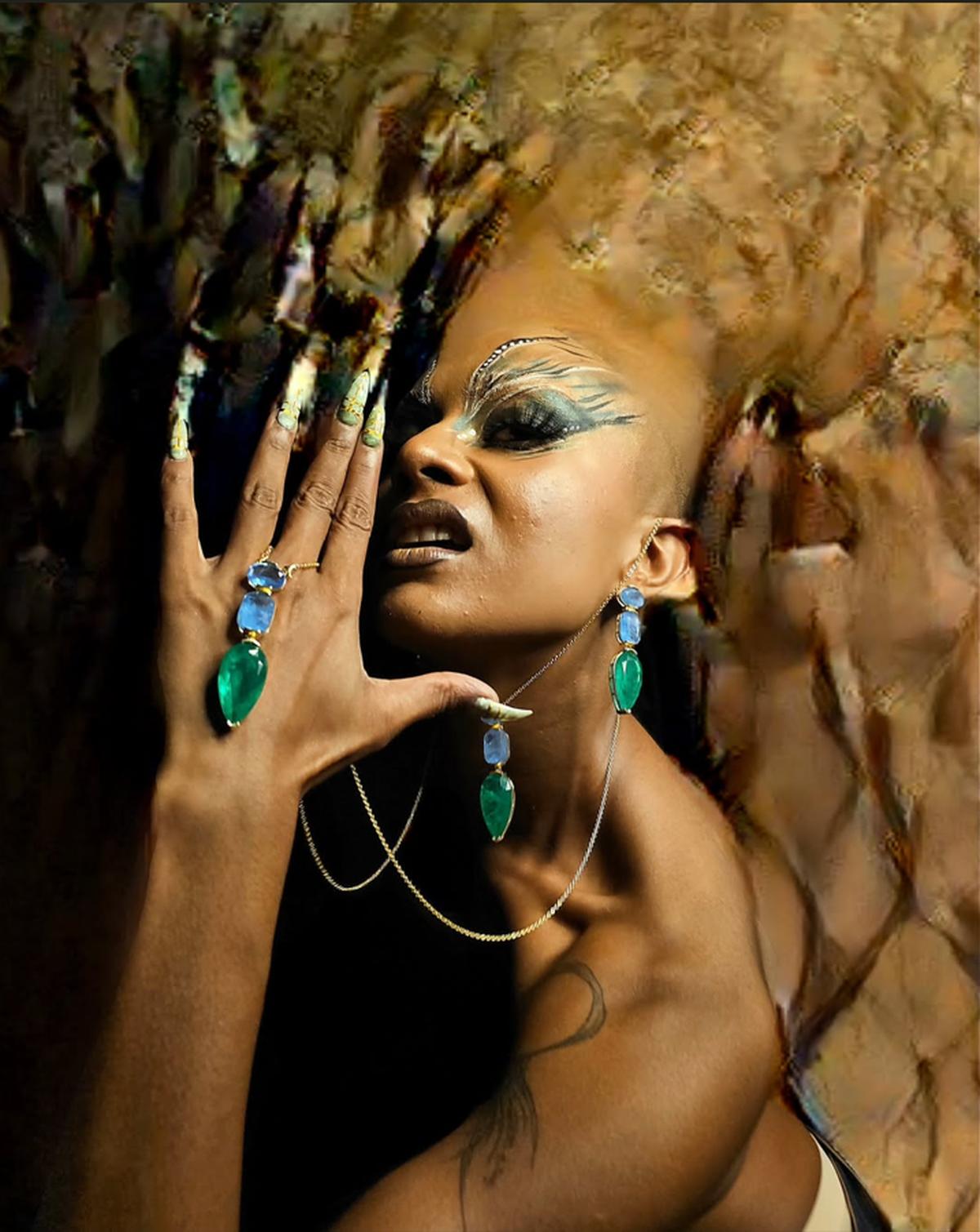
Durga Gawde says they take charge “of the way I am objectified”
| Photo Credit:
Special arrangement
By then, Gawde had discovered their fluidity when it came to gender, but wasn’t considering performing on stage. “But Rani [a drag mother and mentor] helped me get out of my head and put myself out there.” By 2018, Gawde became the first drag child of what would become the Hauz of KoHEnur. Eventually, the sculptor and athlete also became India’s first performing drag king, Shakti.
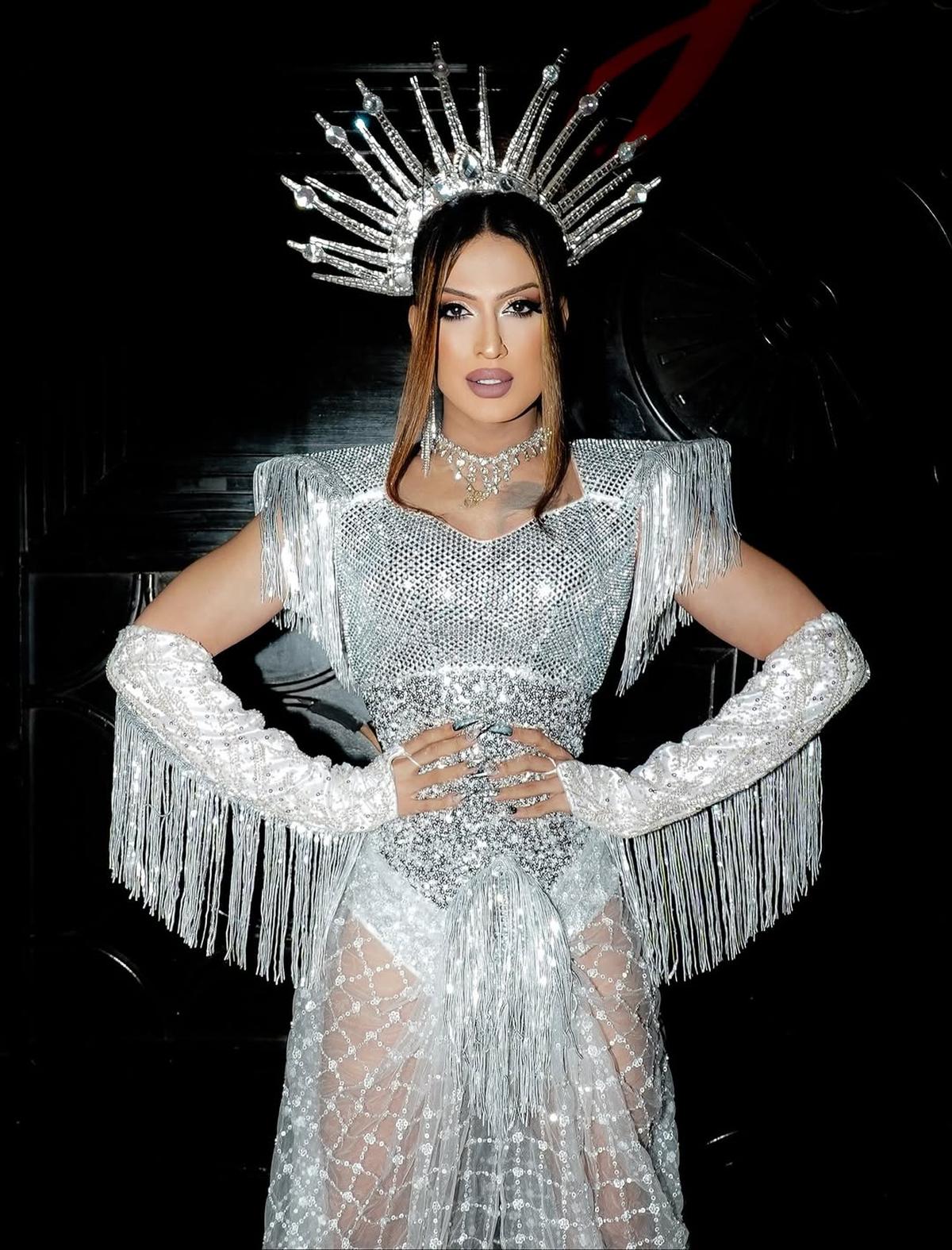
Sushant Divgikar, also known as Rani KoHEnur
| Photo Credit:
Special arrangement
An art form with deep roots
Drag is art; it is also protest — a theatrical deconstruction of gender where artists use exaggerated aesthetics — multicoloured harlequin wigs, high glam makeup, glittering corsets and sky-high heels — to satirise or tweak social norms. While variations of the art form have existed for centuries, from the onnagata of Japanese Kabuki to the gender-agnostic actors of Bengali-Odia jatra, it has now undergone a massive commercial explosion. Much of this is credited to the RuPaul-isation of the craft. RuPaul’s Drag Race, an Emmy-winning reality competition series hosted by American drag icon RuPaul, transformed drag from an underground queer sanctuary into a global phenomenon with a viable career path. While this shift provided the community with unprecedented financial stability, it also equipped performers to ‘use their flair’ for activism — against legislative erasure and systemic prejudice.
The Indian drag scene, more incipient in its current form, is its own ecosystem. Performers blend the technicality of Western drag with local mythology or folk forms that illustrate gender play (such as Arjuna as the eunuch Brihannala). They don’t see drag as a Western import, but as a veiled set of indigenous identities returning to the limelight.
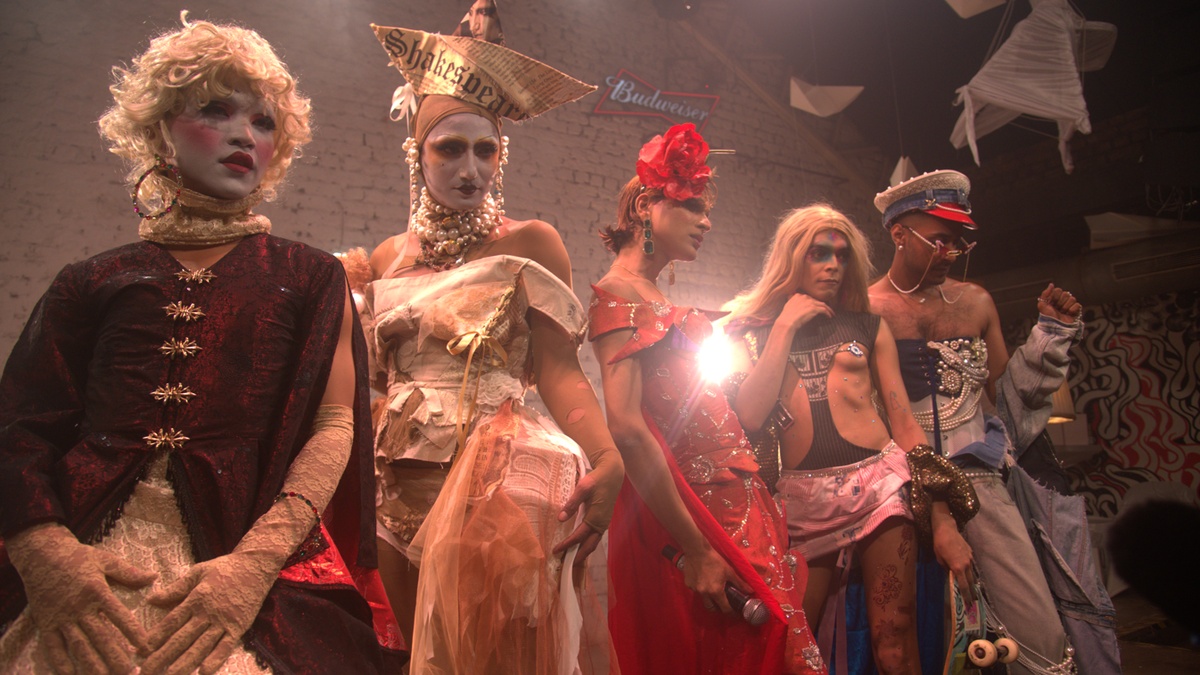
Today, it is leaping into the mainstream. International queens are touring the country, homegrown stars are gracing magazine covers, and non-queer venues are hosting major productions. Last year, Superqueens: the Musical, India’s first drag musical, opened at The Piano Man jazz club in Delhi. The show, directed by theatre artist Vivek Mansukhani and starring five drag queens, including Whacker Cracker (Paridhi Chauhan) and Lush Monsoon (Aishwarya Ayushmaan), was a hit. (It will be returning this April.)
Drag artists are also booking shows at kitty parties and big festivals such as Magnetic Fields. According to the queens, payments for these performances start from around ₹5,000 per gig and go up to ₹60,000 or more.
Indian fashion is adopting the subculture’s gender-bending aesthetics too, signalling a broader cultural integration. Jewellery brand Valliyan teamed up with drag artist Osheen’s creative collective Dragalactiq for a show at the 2024 Lakmē Fashion Week. The performance featured Glorious Luna (Suruj Rajkhowa) and Dame Imfala (Yaikhom Sushiel) building a world around Valliyan’s ‘spacebug’ collection with insect-esque drag characters.
Founder Nitya Arora is now a fervent advocate, frequently introducing friends and acquaintances to drag shows. “Drag adds so much value to the creative industry while uplifting queer voices,” she says. “Fashion is about fantasy; it is about self-expression and unapologetic presence. I don’t think anyone does all of that more beautifully than the drag community.”
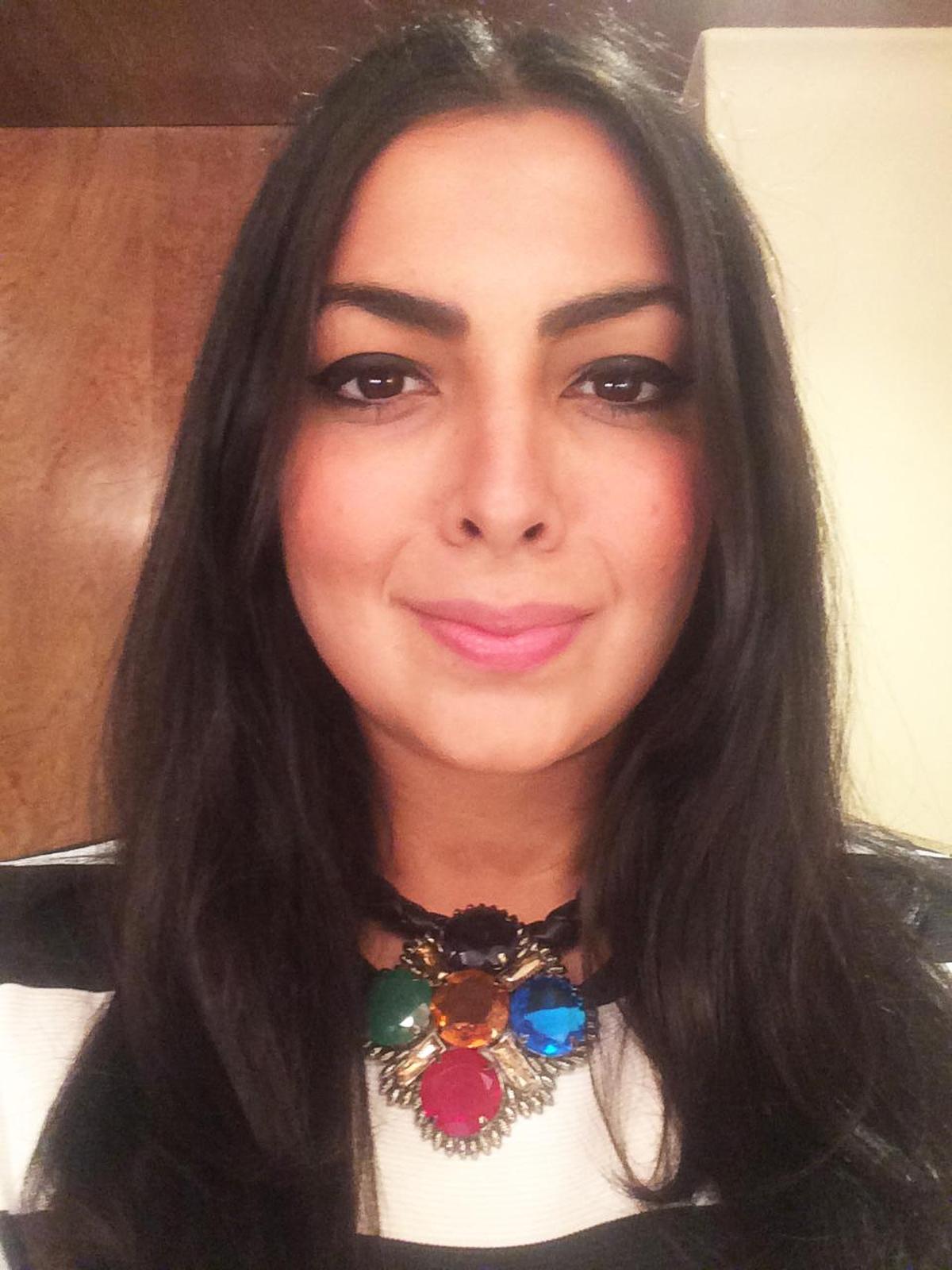
Nitya Arora of Valliyan
Drag also acts as a major tool of inclusion, Arora adds. By turning gender into a costume that can be put on and taken off, drag reduces the “fear” associated with non-binary identities or diverse gender expressions. Performers such as Hyderabad-based Patruni Sastry, for instance, are utilising drag to lead corporate workshops on gender sensitisation and unconscious bias for global firms such as Google and Uber; queens are fixtures at high-end weddings, injecting a campy energy into traditional ceremonies. Meanwhile, digital platforms such as DragVanti have become vital archives for local drag history, and a new generation of performers is leveraging social media to demystify gender fluidity for the Indian masses.
Drag motherhoods
Another recent development in India is drag performers coming together for kinship and to create safe spaces. A ‘house’ is a chosen family of drag performers and queer creatives, led by an experienced ‘mother’ or ‘father’ who mentors the younger queens and kings. Originating from the ballroom culture of New York — a queer subculture where drag performers competed — the concept is often equated with India’s gharanas, a system of patronage and lineages in Hindustani classical music and dance.
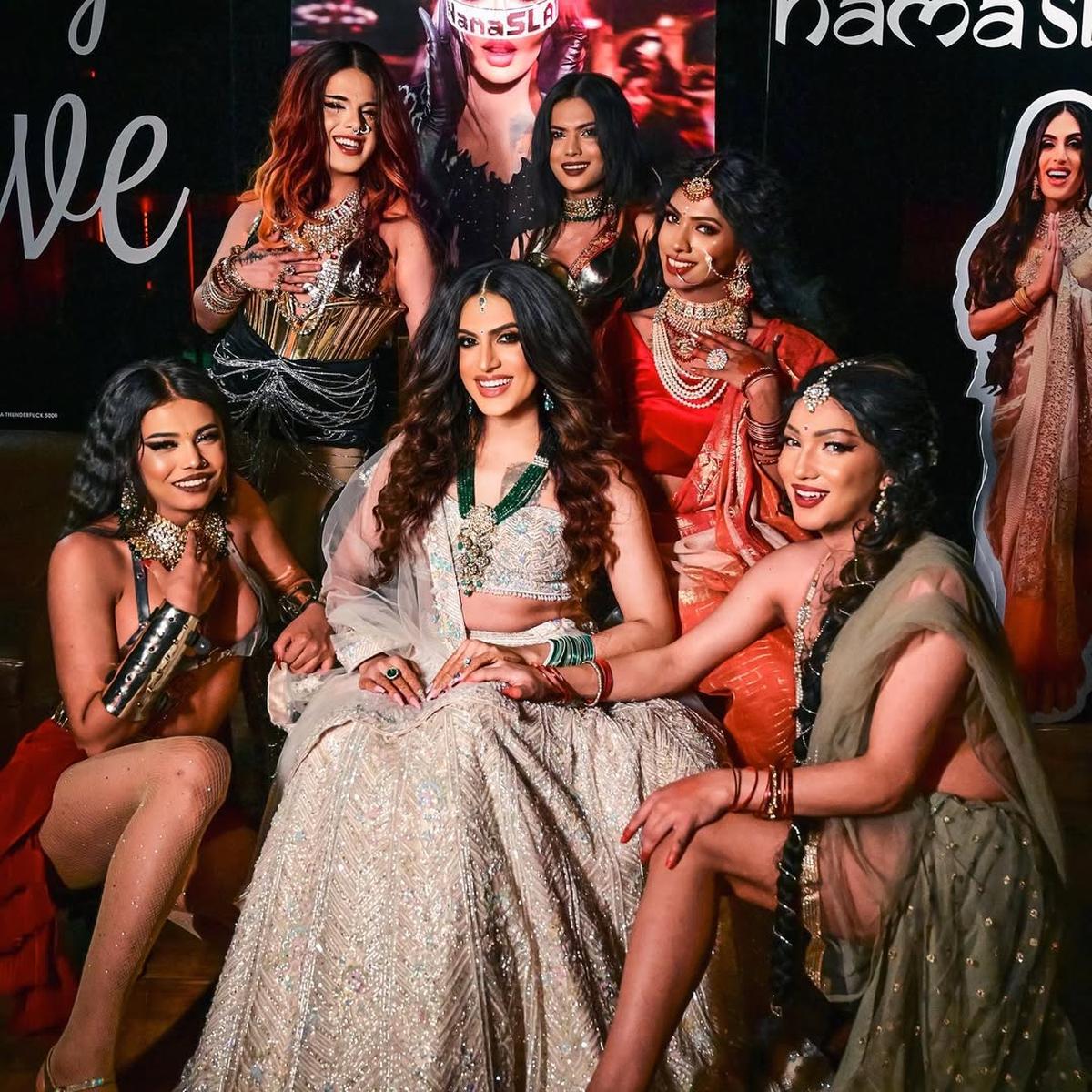
Rani KoHEnur (centre) with a few ‘children’ of Hauz of KoHEnur
| Photo Credit:
Special arrangement
Drag houses are known to provide shelter, community, and care. The mother teaches their child everything from makeup, choreography and community-building to navigating the gig economy. Many also help their children access medical care (such as PrEP, or pre-exposure prophylaxis, which reduces the risk of contracting HIV), mental health professionals, and pro bono legal help, when needed. On the surface, Gawde didn’t need such a support system. They had grown up with parents who were visual artists and ostensibly open-minded. “My relationship to art was intertwined with my relationship to my family. But that relationship was extremely dysfunctional and toxic,” they say.
Behind closed doors, this control took a more stifling turn: they were barred from the sports they loved and coerced into a rigid, performative femininity. Until their drag mother helped them break out of it. Through rigorous mentorship — providing support and helping them decode their artistic persona — Divgikar tackled Gawde’s fears regarding self-expression and public performance.
Kitty Su and Kinnar Samaj
One of the earliest scaffoldings for drag houses was erected at the nightclub where Gawde met Divgikar. Kitty Su, founded by Keshav Suri, the executive director of Lalit Suri Hospitality, in 2011, gave India’s nascent drag scene its first real room to breathe. Divgikar is unequivocal about the debt. “Keshav was the first to introduce this sorority to us. This was a time when nobody else was doing queer-exclusive events.” Even though Suri didn’t create a formal house in his name, he made an incubator for the likes of Divgikar.
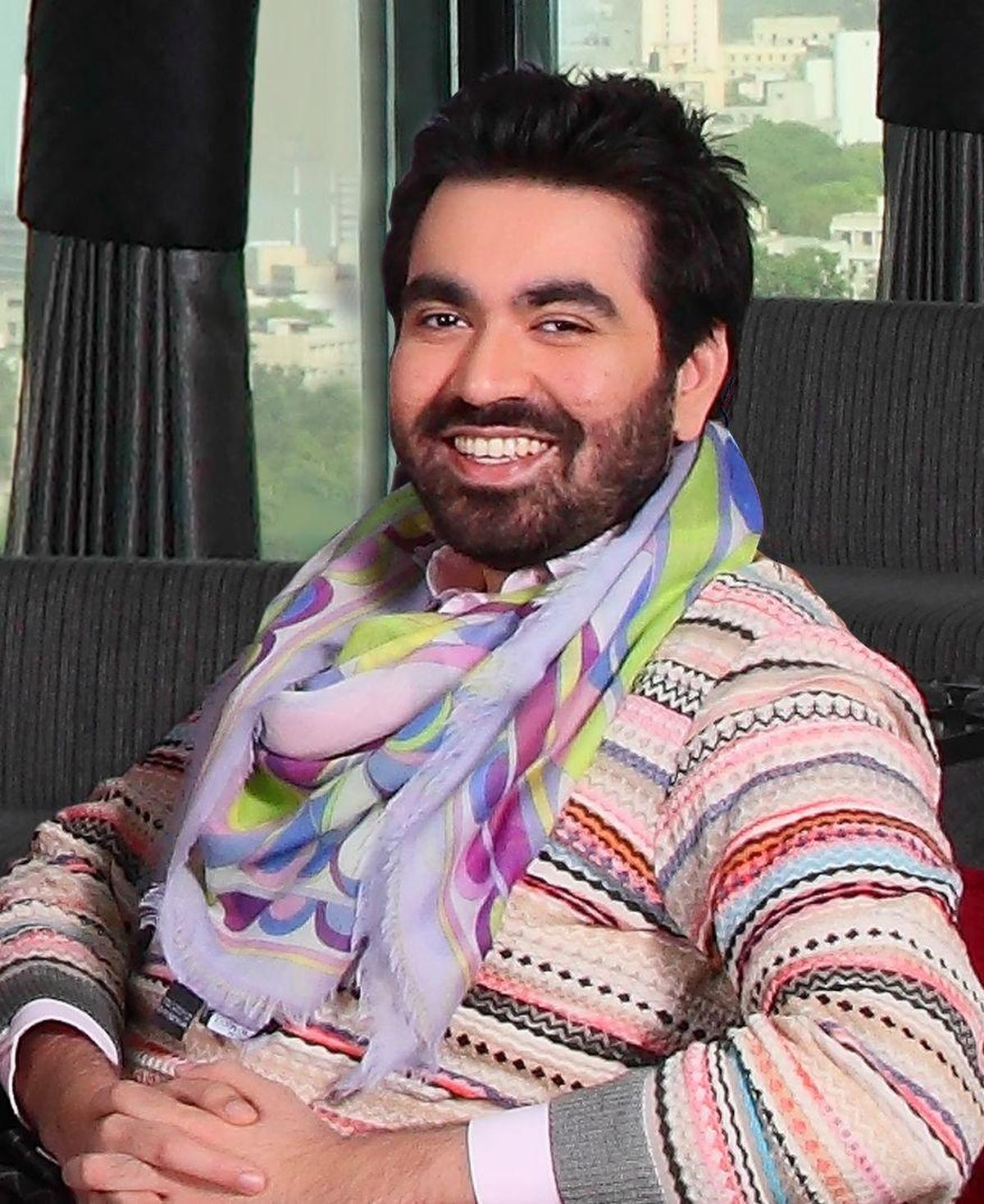
Keshav Suri
| Photo Credit:
Hemant Chawla
Suri views drag as a vital bridge into LGBTQIA+ politics, offering an accessible entry point for those unfamiliar with queer identities. He believes “drag has always been mainstream in spirit; the world is simply catching up to its sparkle 1773412779”. He would love to see drag become far more expansive and inclusive. “Drag can be comedy, poetry, classical dance, ballet, music, or even political satire. Long before reality TV discovered it, India had drag thriving in folk theatre and nukkad nataks. If anything, we should be bringing drag back to the streets and stages where it has always belonged,” he says.
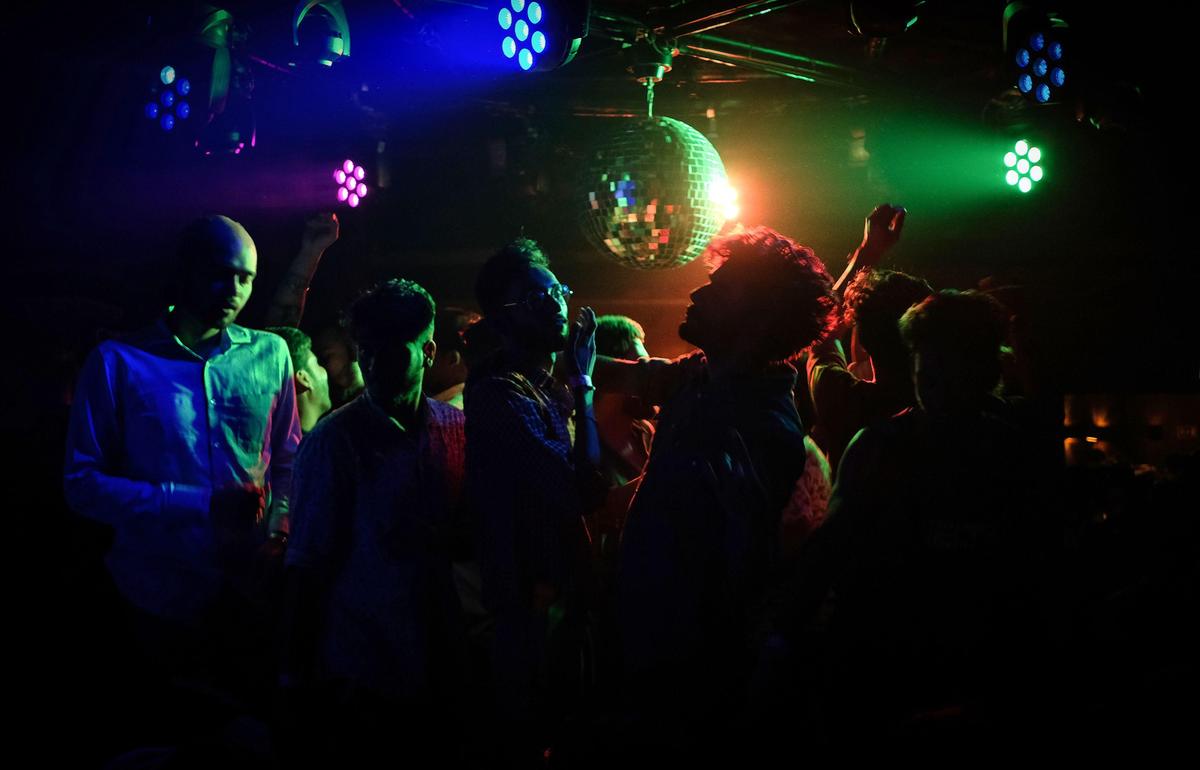
The Kitty Su club
| Photo Credit:
AFP

“Drag can be comedy, poetry, classical dance, ballet, music, or even political satire. Long before reality TV discovered it, India had drag thriving in folk theatre and nukkad nataks. If anything, we should be bringing drag back to the streets and stages where it has always belonged.”Keshav SuriFounder of Kitty Su
Divgikar, who made history in 2020 as the first Indian drag performer on the Forbes 30 Under 30 Asia list, is a drag multi-hyphenate. “I come from privilege. I am formally educated, and I was never forced to leave my home,” she says. Over the years, Divgikar, with her signature long brown hair and chunky bling, has broken mainstream barriers by competing on shows such as Sa Re Ga Ma Pa, and appearing in film and television productions such as Thank You for Coming (2023) and 36 Days (2024).
As she found her footing in the entertainment industry, she saw how other drag artists had talent that “needed polishing”. So, when she decided to build her own house, Divgikar turned to the grassroots for guidance. “I looked at the gharana culture and Hijra community, and realised that what they’ve been doing for so long — with community building and self-organising — is amazing,” she says.
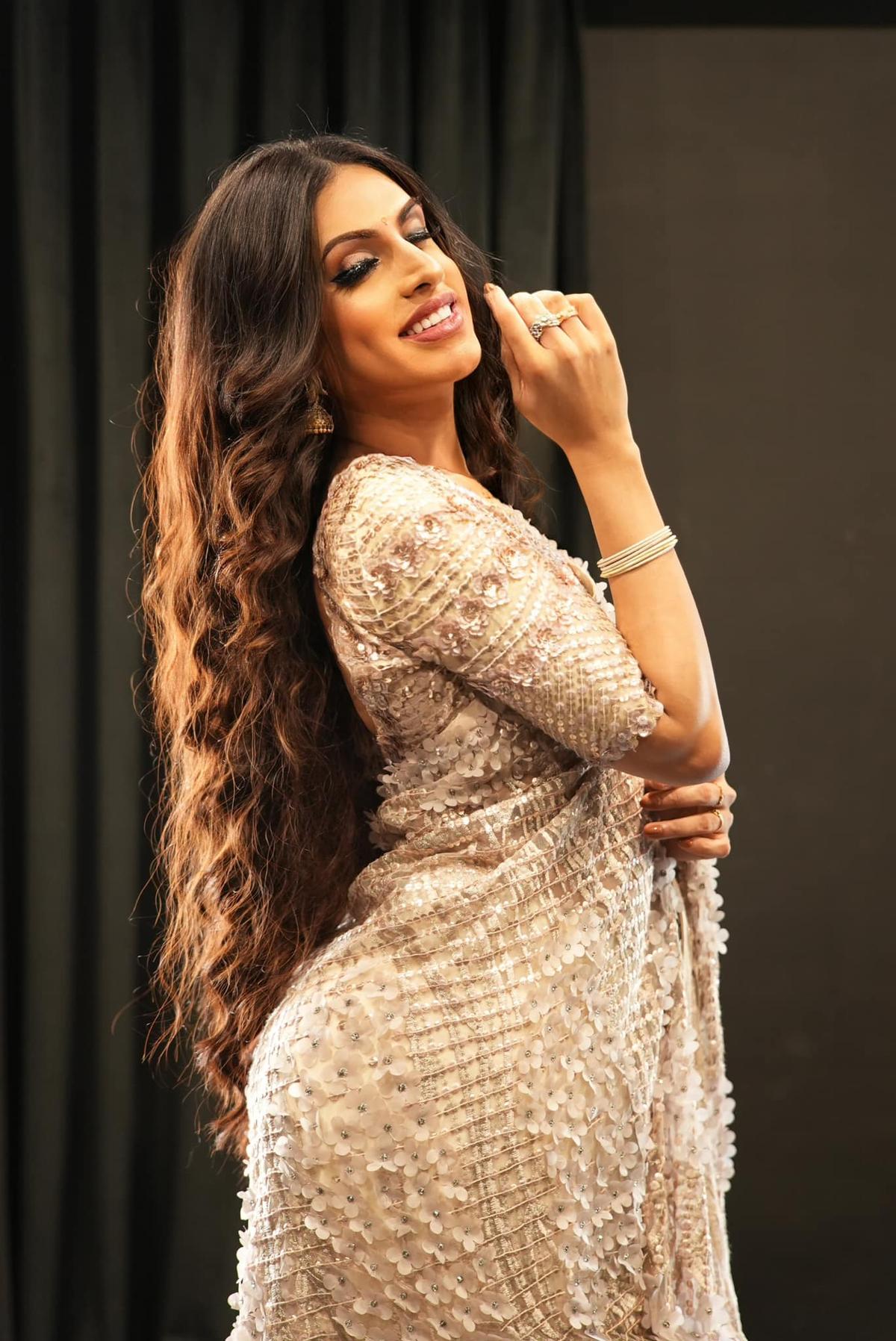
Sushant Divgikar as Rani KoHEnur
| Photo Credit:
Special arrangement
Divgikar has 18 elders from the (Hijra) Kinnar Samaj who counsel transgender communities across the country. As her house grew, she went on to mentor the likes of Delhi-based designer and artist Anwesh Sahoo, and Mumbai-based model and drag performer Suruj (Glorious Luna).
Luna, with her arched pencil-thin eyebrows and lavish handcrafted ensembles, has since started her own house in 2021. “Being a drag mother is a little different from what many would expect. I sit with my children and brainstorm creative ideas. We cook together while discussing our blocks, or plan for a future project while dancing to a new hit number,” explains Luna. In a house, there is room for everyone. “We make things happen together. These hangouts might look casual, but they give birth to big things.” With her children, who often live together, Luna has gone on to create the country’s premier drag event, the It Ball, and a queer modelling agency, Current Management, to create opportunities for marginalised talent.
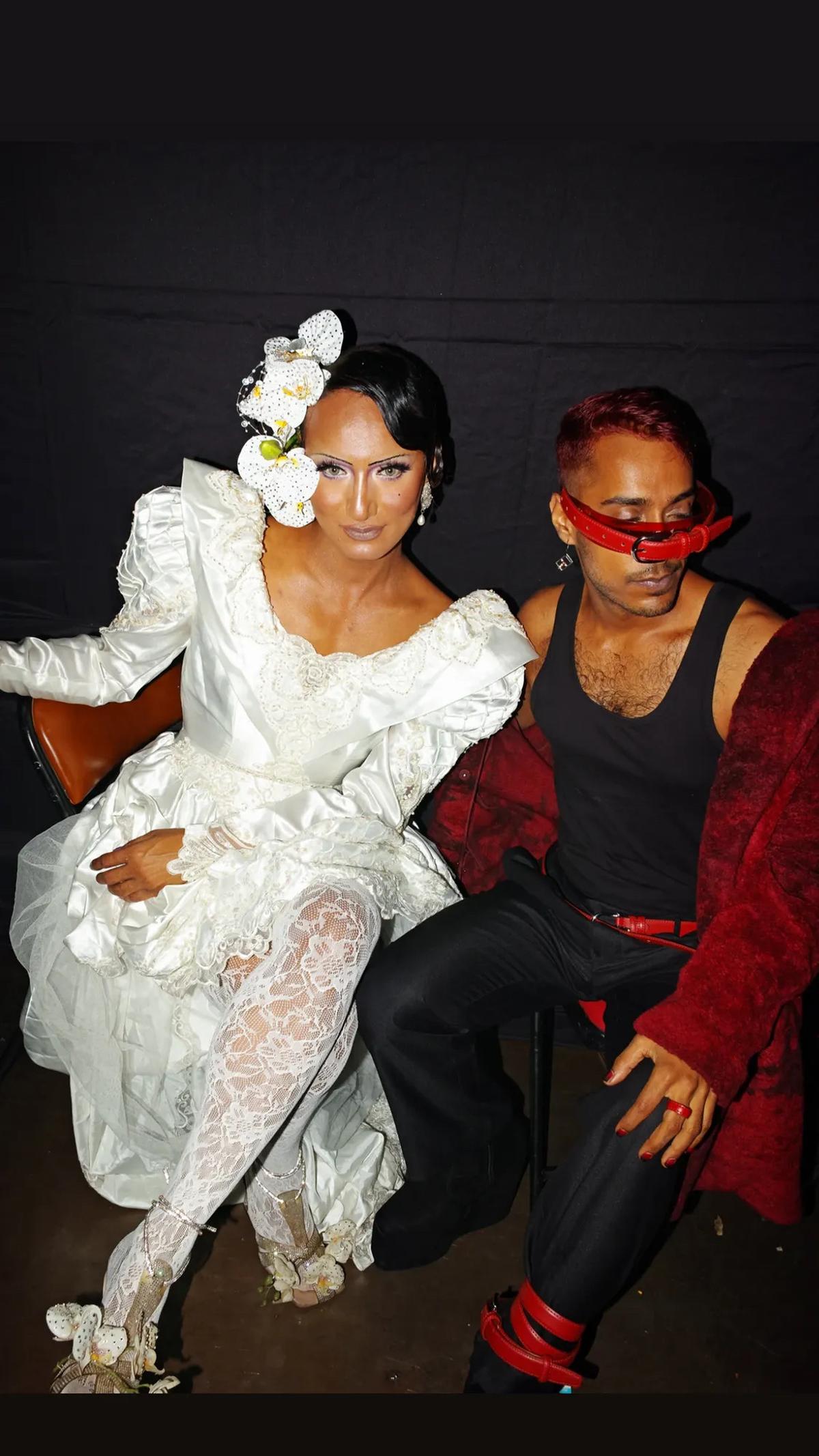
Glorious Luna (left) with documentary filmmaker Pratul Narang
| Photo Credit:
Special arrangement
Lately, through the It Ball, Luna has created an extended family that includes attendees and friends, who become part of conversations to build something new. “Mothering was a natural urge for me, as a migrant [from Assam] and as a queer person. I think that is the case with most of us. Who doesn’t want to belong? Who doesn’t want people to call their own?” she asks. “And when that comes with training, mentoring, and access to performance and pay — that’s everything!”
‘Creating work for each other’
Chosen families are essential for queer survival, especially as global anti-queer and fascist ideologies surge. Indian drag collectives are evolving with this urgency. Nin Kala, a Mumbai-based model and artist in the House of Luna, founded It Events along with Glorious Luna. This shift has allowed them to curate opportunities for marginalised talent. Ballroom culture, Kala explains, enables them to “create work for each other and become self-sustainable”.
Sastry dreams of establishing something similar in the form of a school built on access. “I want to create a collaborative space where there is direct learning from each other, with no pressure on the teacher or student to see who’s winning. Because at the end of the day, we all must win.”
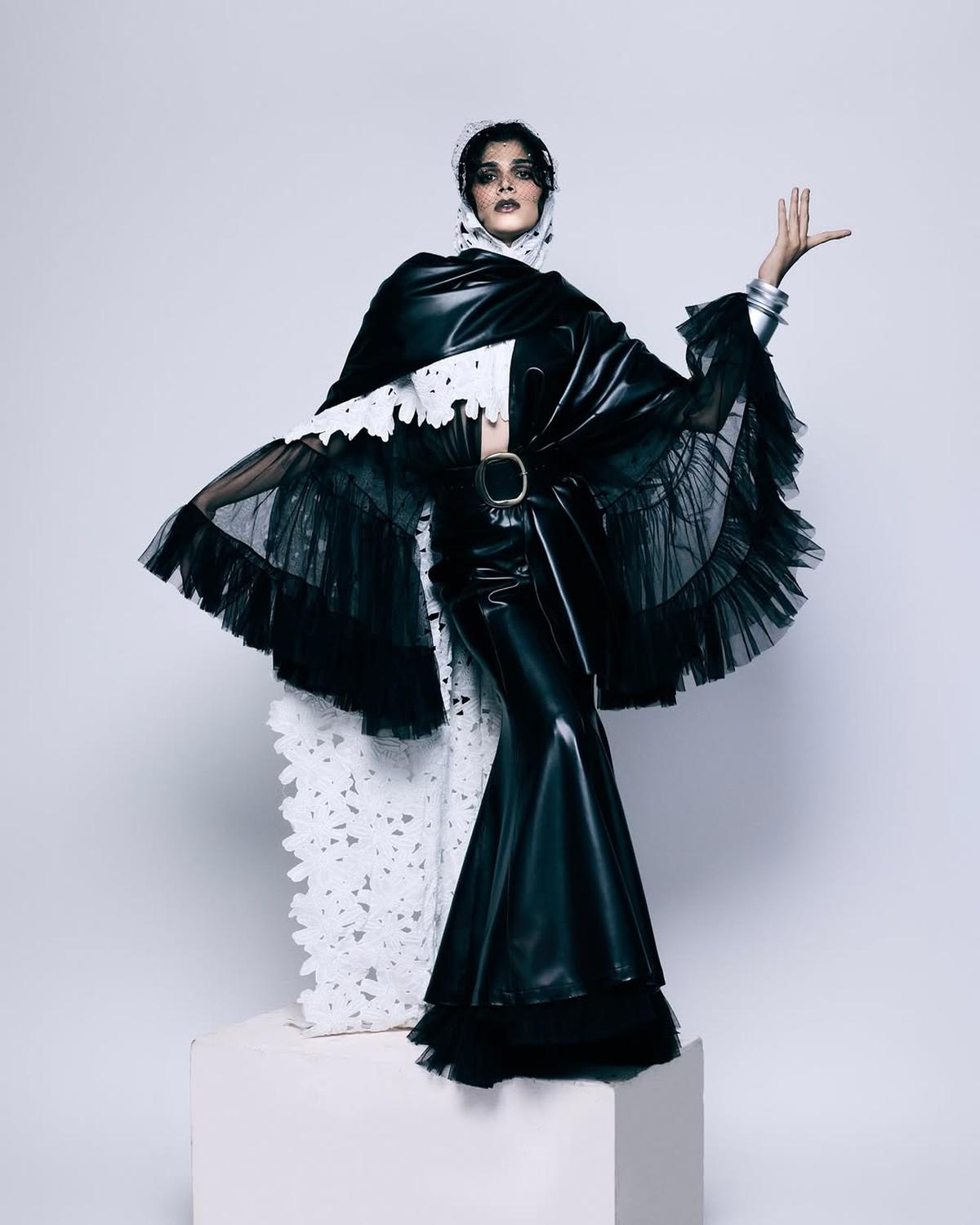
Nin Kala co-founded It Events to support marginalised talent
| Photo Credit:
Special arrangement
Letting children fly
Sahoo first met Divgikar when she judged ‘Mr Gay India 2016’ (which he won). He credits her house for making him feel like he truly belonged. “When I entered the world of KoHEnur, it felt like a parallel universe where we were all queer, were able to talk freely about our experiences, and were empowered to manifest our dreams,” he says. Though Sahoo’s biological family wasn’t unsupportive, a chosen family offered an oasis he couldn’t find at home. “With my parents, I lived a milquetoast life,” he says. “So, I cherished that balance. Having my drag family where I could give and receive support without any apology.”
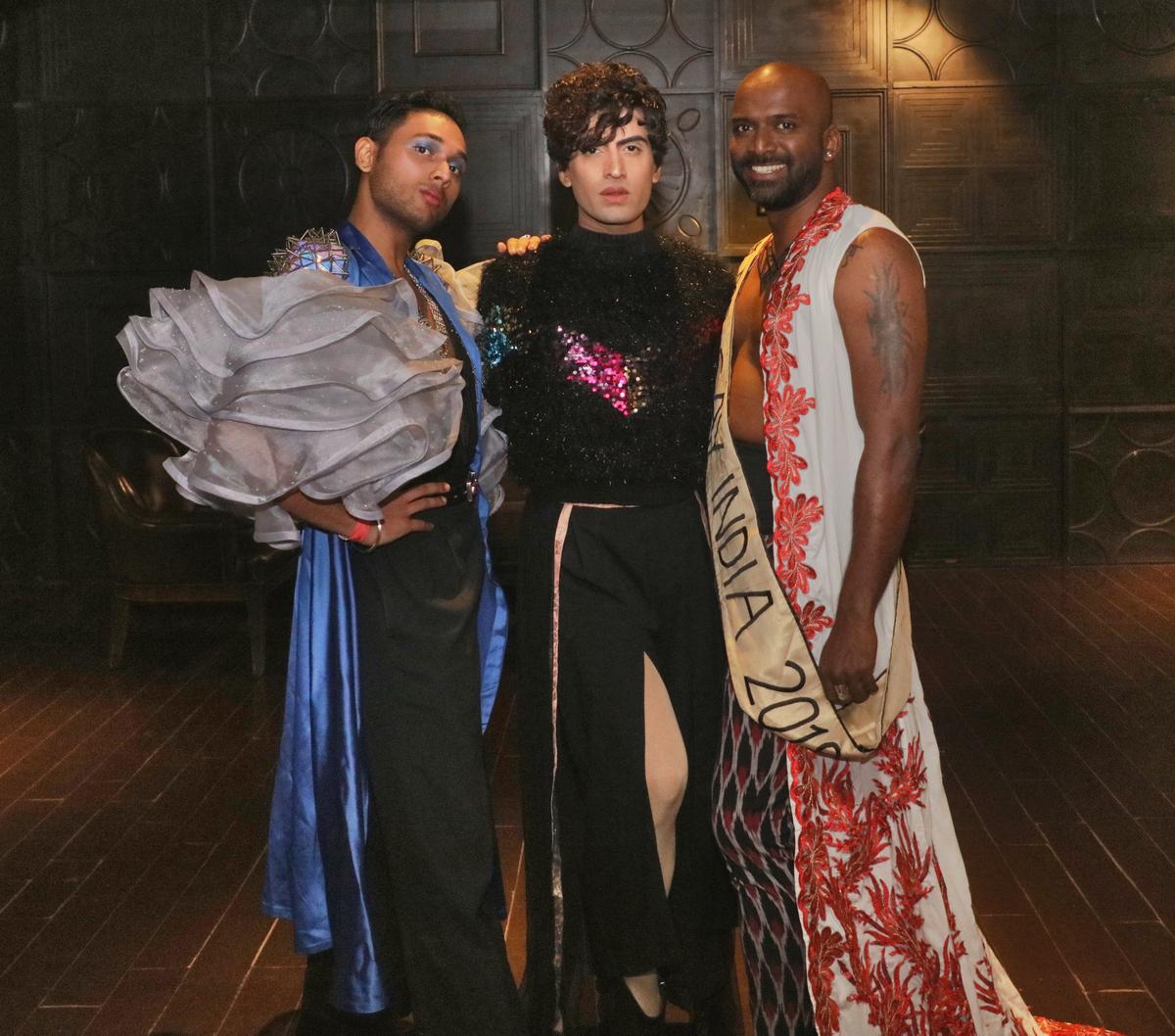
Anwesh Sahoo (left) with his peers
| Photo Credit:
Special arrangement
Divgikar has watched drag children join, grow and leave, and held space for all of it. “I’m not one of those mothers who will say, ‘How can you stop doing drag?’ It’s a journey, and understanding that drag is not for you is also a part of it.” Every three years or so, the structure of a drag family changes, she adds. Drag children go on to found their own houses, or build their own community outside the house; they also leave to pursue other, often related, career paths. “It can be hard to accept, but it is a constant reminder of your job as a guardian: to let your children fly and become who they want to be,” she says.
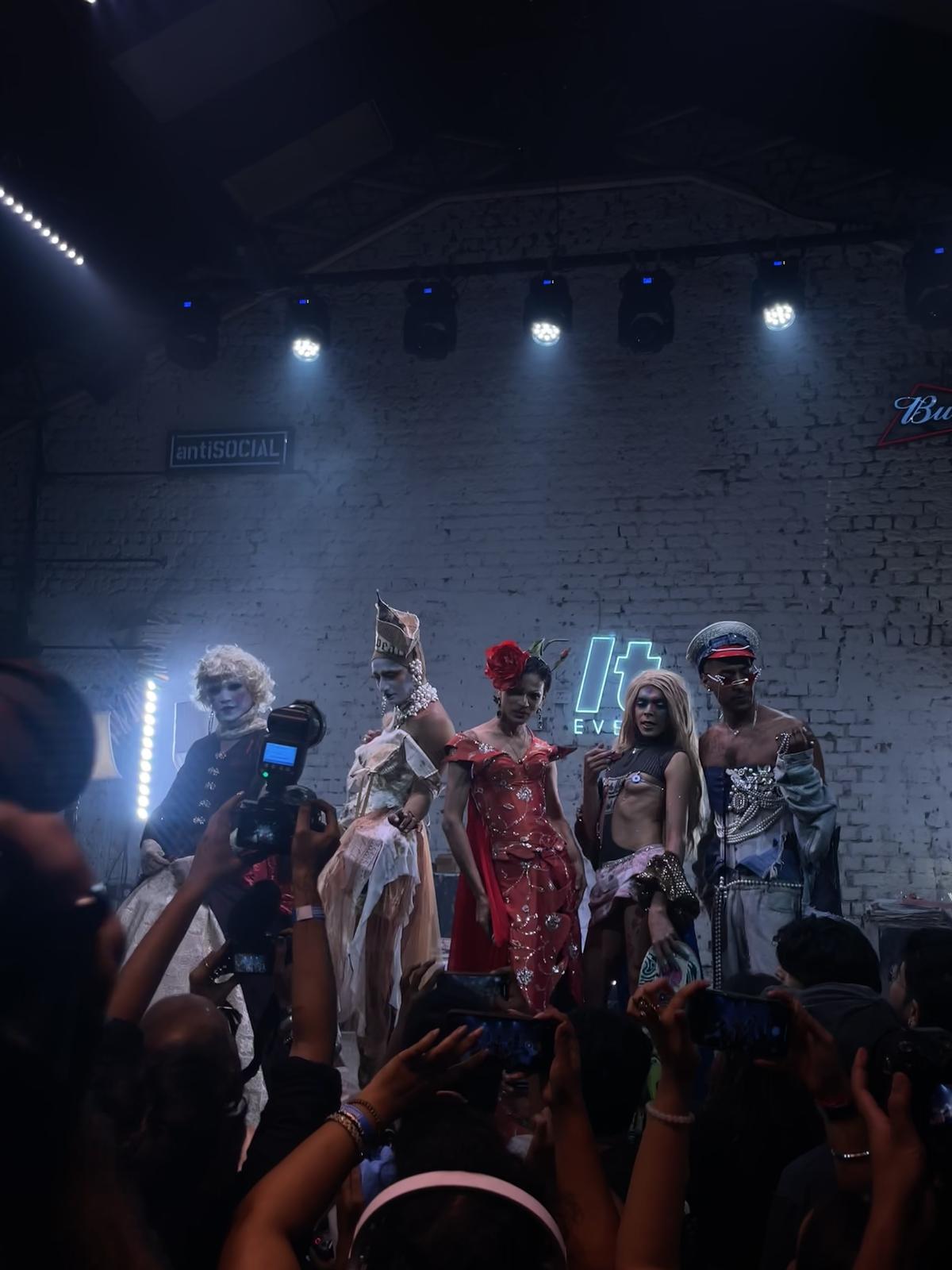
Drag artists at the It Ball
| Photo Credit:
Special arrangement
“Every time we’re in drag, we’re advocating for our rights. Performing is resistance for us, and it ultimately helps everyone to not be tied up with the dos and don’ts of gender and sexuality”Glorious LunaDrag mother
Informal houses exist, too
Hyderabad-based Sastry, known by their stage name Saas Who Ma (with her roster of vibrant wigs and shimmering saris), points out that most drag houses are concentrated in metro cities, mostly Mumbai and Delhi. “While there are a growing number of drag performers in other cities like Kolkata, Chennai, Bengaluru and Hyderabad, the numbers are not significant enough to have too many drag houses. There, queens perform together and look after each other without ‘hierarchical house cultures’. We all know each other, and are tight-knit like a sisterhood,” Sastry says.
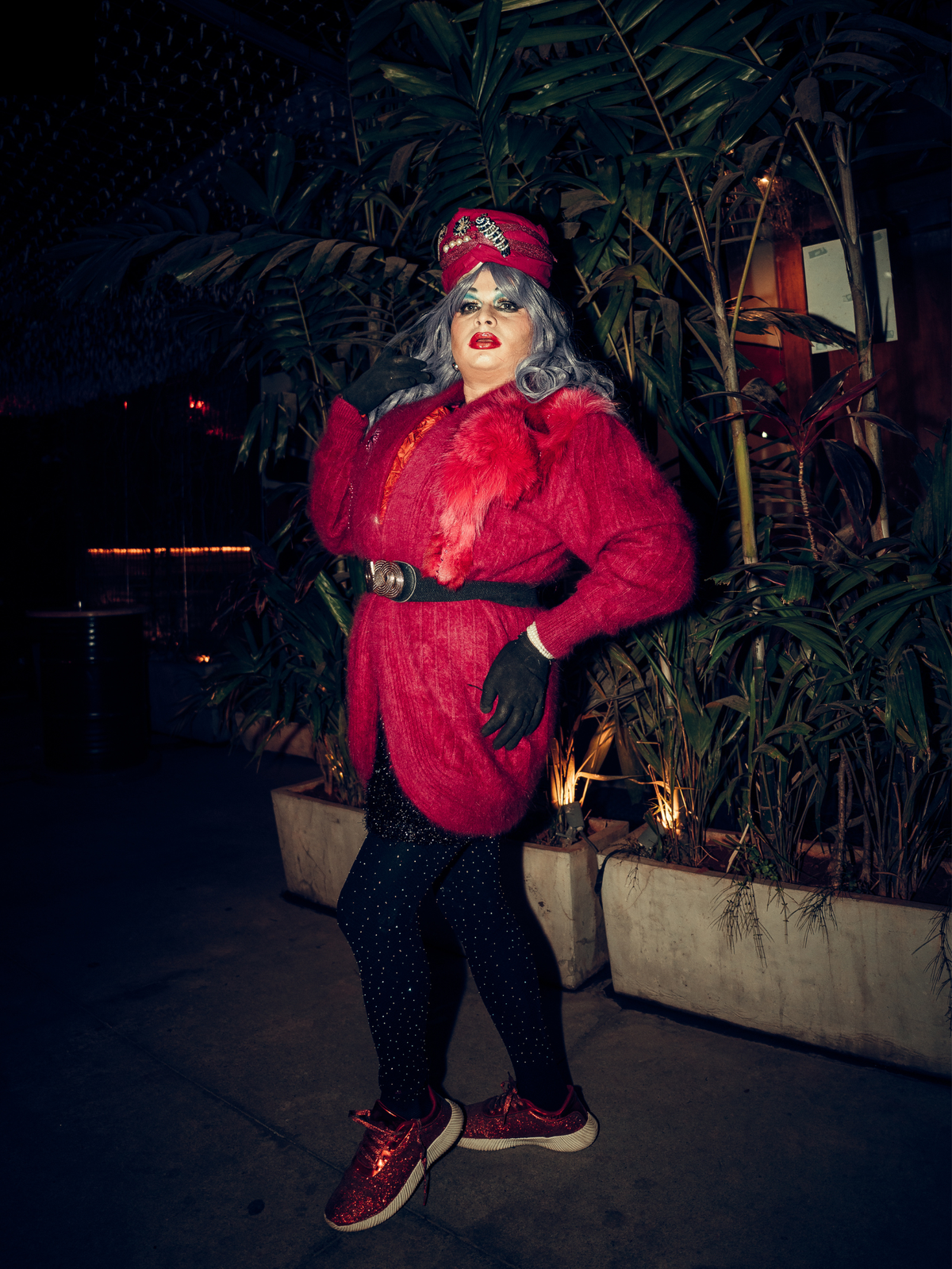
Patruni Sastry, known by their stage name Saas Who Ma
| Photo Credit:
Special arrangement
Goa-based non-binary doctor and drag performer Gautam Bandodkar, who goes by the name Mysticurl Flame — their winged eyeliner contrasting with their full beard — pilots one such unconventional drag family. At House of Flame, “we meet, rehearse, perform, and have a lot of fun. We don’t want to look at being a family as work”, Bandodkar says. As many drag artists have regular professions too — doctors and lawyers, to event managers, makeup artists and DJs — the informality helps. The house has since seen its younger members moving into careers and lives of their own, but the group chat remains active. “We keep coming back to each other when required,” they say.
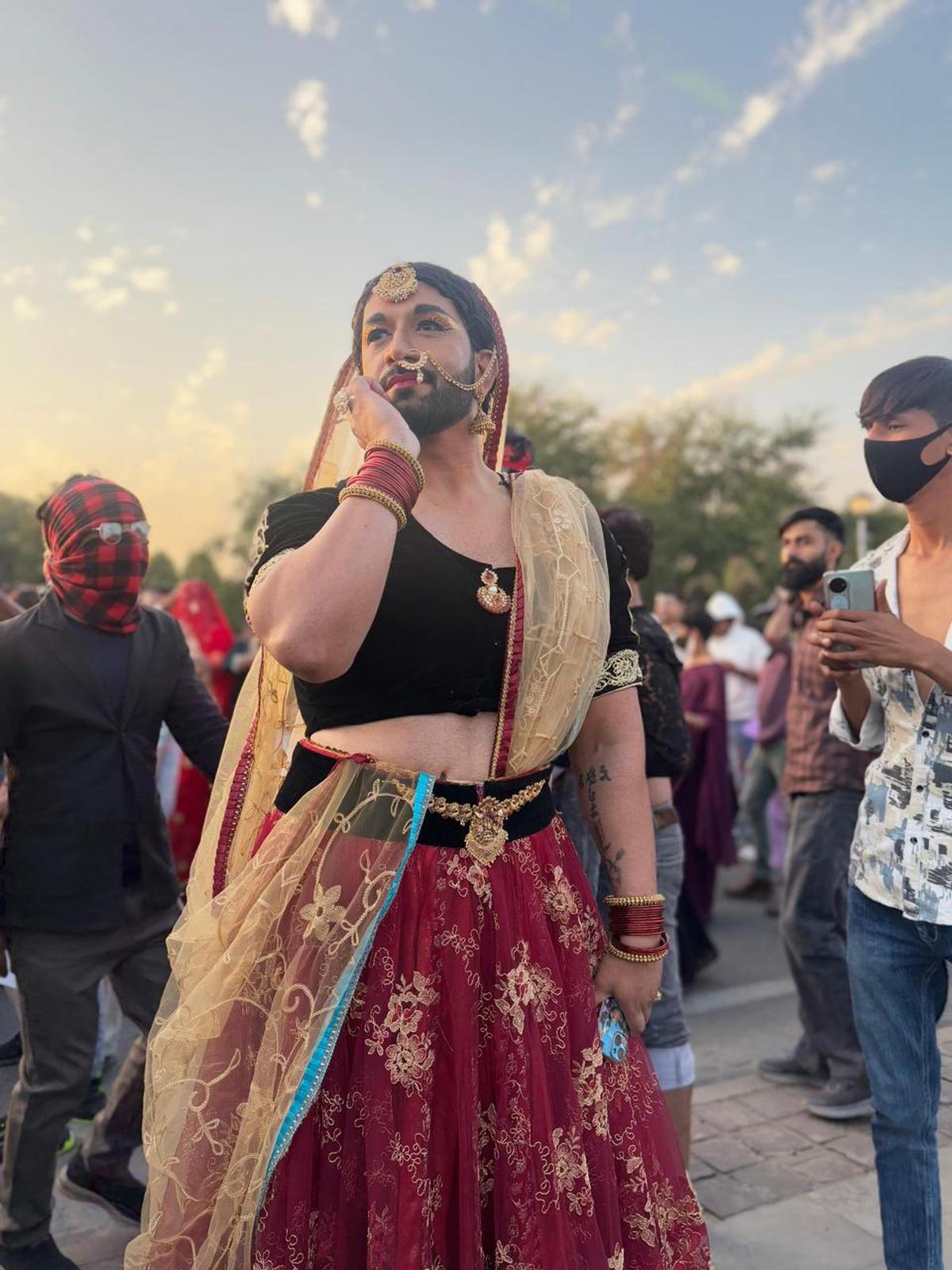
Non-binary doctor and drag performer Gautam Bandodkar
| Photo Credit:
Special arrangement
Legal lens
Delhi-based lawyer Raghavii Shukla, a transgender woman herself, is unambiguous about the legal gaps that exist for the drag community. “Apart from social security, there is still minimal legal support,” she says. “The laws of inheritance and family in India are dependent on the bio-legal relationships that people have.” The current legislation does not recognise the concept of a chosen family, or a drag house. “The courts have recognised atypical families in a 2022 judgment, but that does not help with legal rights.”
Workplace harassment is also difficult to legally address because drag is not formally recognised as a profession. Shukla advises houses in the entertainment business to collectivise, and register — be it as a society, trust, partnership, or Section 8 company (NGO to promote arts, education) — to avail more legal protections.
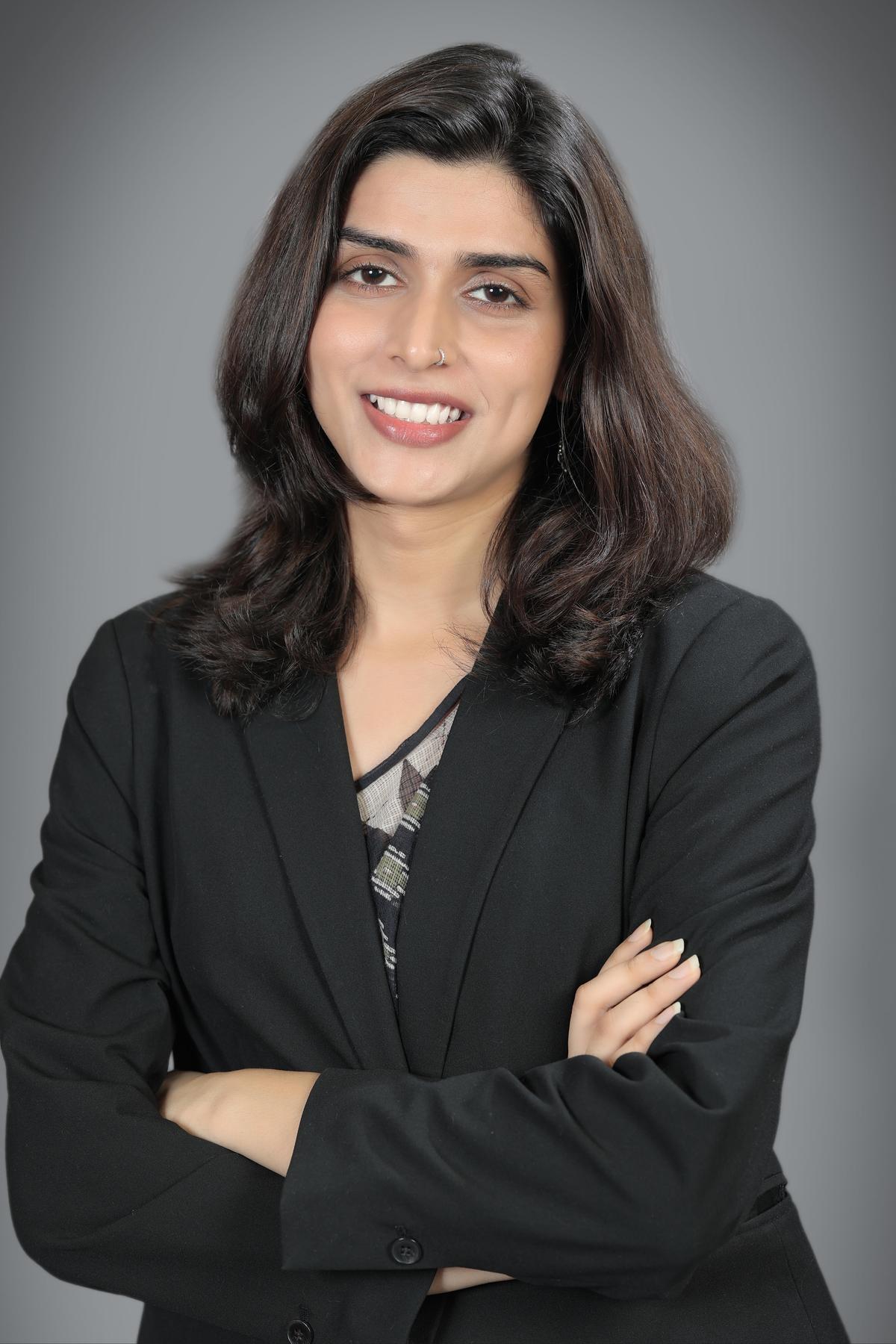
Lawyer Raghavii Shukla
| Photo Credit:
Special arrangement
Architecture of queer care
The care and acceptance of drag houses can often make the difference between surviving and living. Bengaluru-based actor and drag artist Alex Mathew, known by the avatar Maya, has experienced it first-hand. He met his drag mother, Boston-based queen LaWhore Vagistan (Kareem Khubchandani, a researcher and performance artist), while she was visiting India. Vagistan became a pivotal force in changing the trajectory of his career: teaching Mathew the art of storytelling “beyond dancing and singing”, and even how to do cut-crease makeup on his eyes.
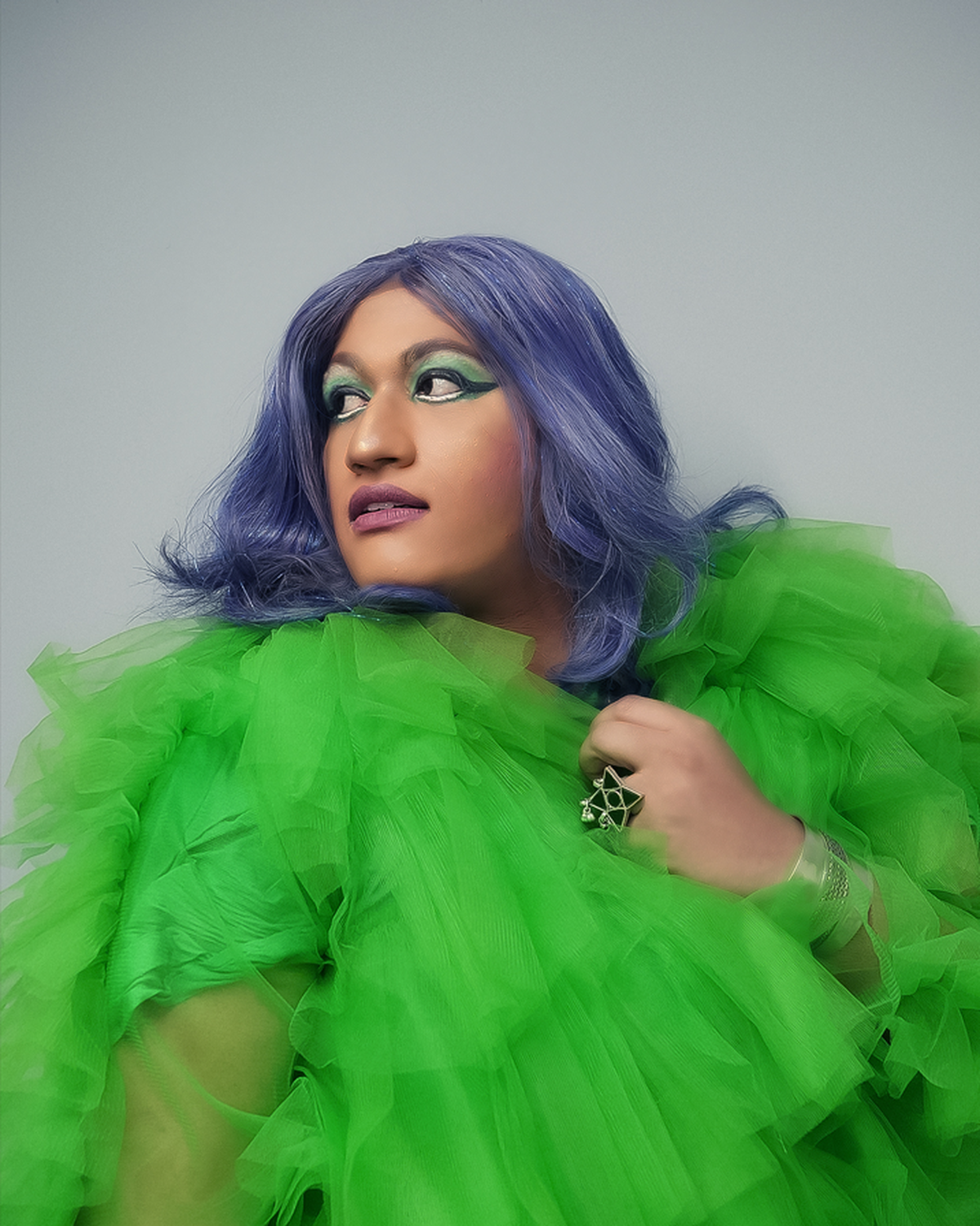
Alex Mathew, aka Maya
| Photo Credit:
Special arrangement
But it was encountering a trans gharana in Andhra Pradesh a few years ago — while he worked for Solidarity Foundation, an NGO for sex workers and gender and sexual minorities in South India — that changed how Mathew understood the community altogether. “I met the head mother, Laila, and I performed ‘Kajra Re’ for her. She said, ‘Your expressions are so great that I would like to adopt you as my daughter’,” he says. “You can imagine how open the system is. She had known me for only a day.” Though he declined, he accepted what was truly on offer. “I told her all I need is your blessing. And she said, ‘That’s always there with you’.”
Art of survival
Most drag houses aren’t built on the strict blueprint of mentor and mentee, but with mutual alignment. For Mumbai-based documentary filmmaker and emcee Pratul Narang that alignment arrived through years of friendship with Luna: of showing up to events, and eventually asking to host the balls.
Narang’s relationship with the house flows into their documentary feature, Mumbai is Burning, “a love letter” to the women, non-binary, and queer people who represent the past, present, and future of the city’s nightlife. “My own mother worked as a dancer. I’ve seen unofficial houses, strong maternal figures, and unspoken sisterhoods that supported each other,” they say. The film draws a direct line between that inherited world and the chosen one Narang now inhabits. “Just like my documentary, these ballroom events are part of an archive: living records of how we imagine, and survive together.”
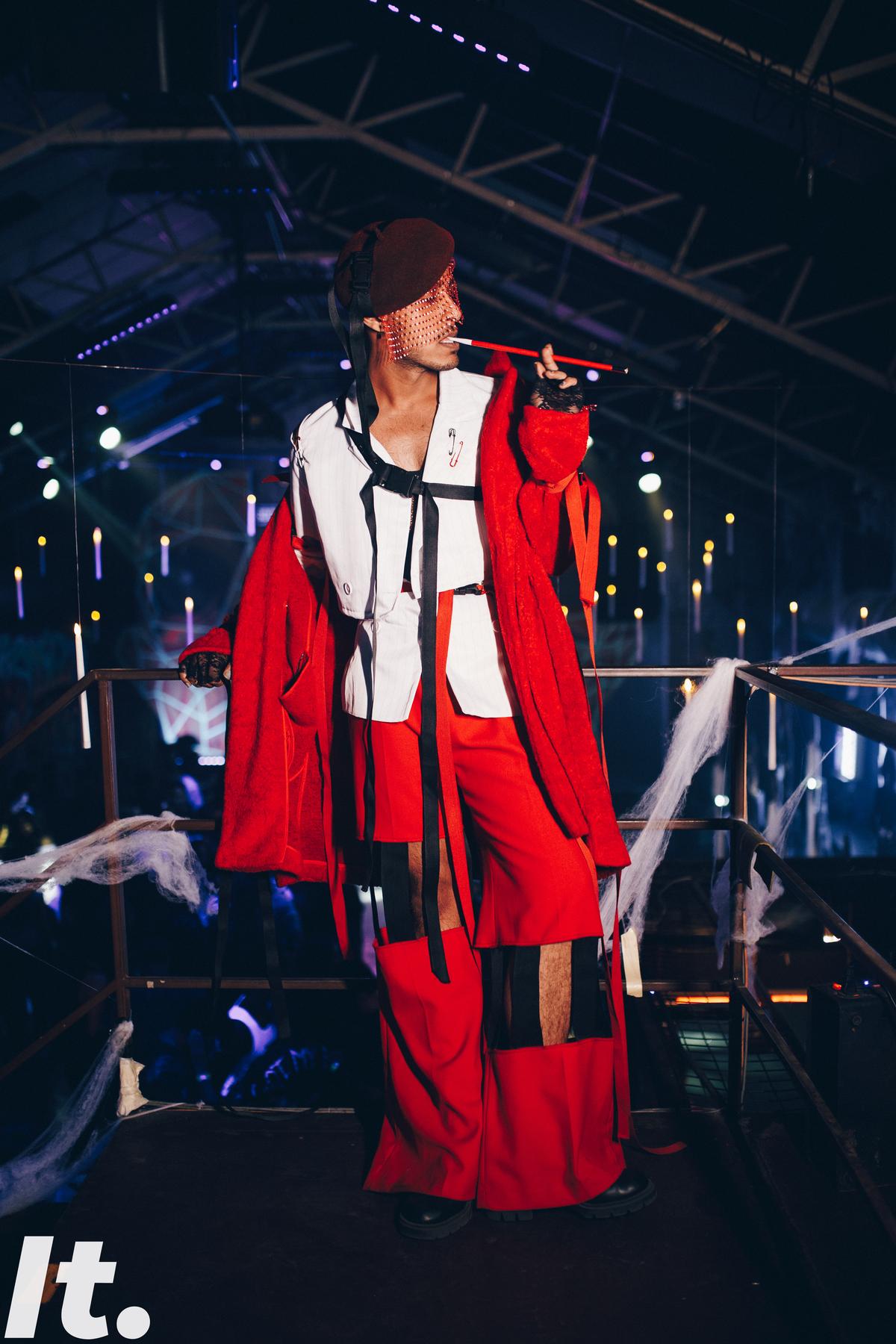
Pratul Narang
| Photo Credit:
Special arrangement
Narang’s lens has also been transformed by house mentorship. “I’m far more conscious now of resisting spectacle-only portrayals of queer bodies. Instead, I’m drawn to contradiction, tenderness, fatigue, humour, and labour,” they explain. Collaboration within the house, they add, is mostly unceremonious, but deeply embedded — workshopping ideas, sharing references, being the first audience to a rough cut. “Even when we’re not directly collaborating, the work is never made in isolation.”
What a drag house ultimately offers, Narang insists, is something no conventional institution can replicate: permission. “To be unfinished, and emotionally honest.” More than creative infrastructure, more than mentorship, it is, in their words, “a source of pure, unadulterated queer joy.”
The Mumbai-based writer, artist and editor reports on fashion and culture.
#Queer #ambition #finds #home #Indias #vibrant #drag #scene