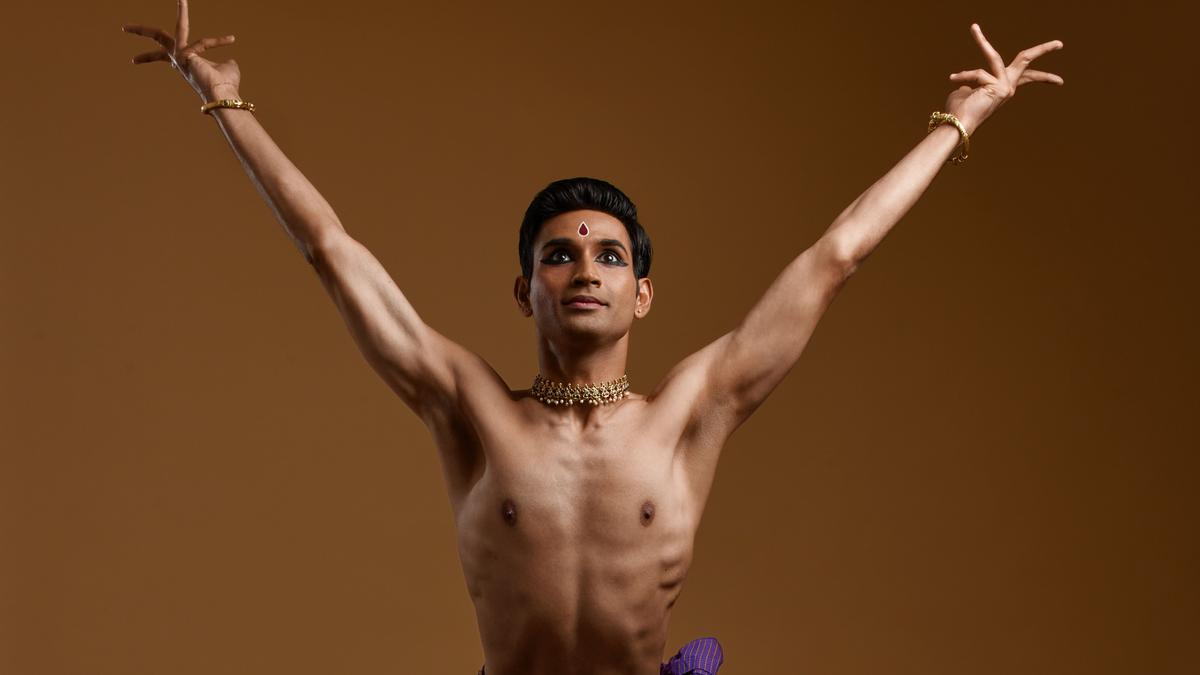
AVIJIT DAS
When I look back at my training in Kuchipudi, I realise how pranayama, yoga and breathing techniques have shaped me as an artiste. The dance form, with its blend of rhythm, expression and storytelling, is demanding, requiring a dancer to align both body and mind. These practices have therefore remained a constant.
Pranayama has given me the ability to centre myself before stepping into practice or performance. In classical dance, where abhinaya (expression) and nritta (pure dance) must flow seamlessly, controlled breathing helps me maintain focus and emotional balance. Practices such as ‘anulom vilom’ and ‘kapalabhati’ sharpen my energy and steady my mind. This steadiness enables me to sustain long hours of rehearsal and navigate the intensity of performance. It also allows me to channel devotion and emotion more deeply into my dance — an essential aspect of Kuchipudi’s storytelling tradition.
In dance, where every movement is anchored in rhythm and emotion, breath becomes the thread that connects the two. I have learnt to coordinate my inhalations and exhalations with the tala (beat), allowing for smoother transitions. Breath also carries rasa, the emotional flavour of the performance. A forceful exhalation can heighten the drama of a battle scene, while a gentle inhalation can soften the mood in a devotional piece. In this way, breathing transforms my dance from mere physical movement into a living, expressive art.
Kuchipudi calls for agility, strength and grace — whether in executing brisk footwork, sustaining ardhamandalam (half-sitting posture), or holding statuesque poses in dramatic sequences. Through yoga, I have strengthened my core, improved my posture and gained the flexibility that lends fluidity to my movements. It has also helped prevent injuries, keeping my joints supple and my body aligned. Beyond the physical benefits, yoga has instilled patience and discipline. Holding a pose and breathing through discomfort mirrors the endurance required when rehearsing complex Kuchipudi choreography.
Together, pranayama, yoga and breathing techniques have given me the strength to endure rigorous training, the resilience to face challenges and the maturity to express myself on stage. I feel aligned both physically and spiritually, and that sense of union allows me to convey the true essence of the art form.
MEERA SREENARAYANAN

Yoga continues to remind her of the value of noticing.
| Photo Credit:
Special Arrangement
Yoga has been a part of my life since childhood. As a young Bharatanatyam dancer, it felt like an extension of training. Flexibility, balance, mobility and strength were the yardsticks of progress. The body needed to be trained, honed and understood.
Then came marriage and motherhood. Every pregnancy is different and deeply personal. This is simply my story. Years of dance training cultivate a sense of agency over the body. This phase offers a humbling reminder that not everything can be directed, corrected or rehearsed. Life takes shape breath by breath.
For me, that experience revealed a dimension of yoga I had overlooked for years. Breath suddenly demanded attention amid change, discomfort, anticipation and uncertainty. And once I became aware of it, its influence seemed impossible to miss.

The body needs to be trained, honed and understood.
| Photo Credit:
H.S. Manjunath
As a Bharatanatyam dancer, I began to understand how deeply breath influences movement. The quality of a movement often depends on the quality of the breath that precedes it. The same is true of abhinaya. Before an emotion appears in the eyes, face or body, it often announces itself in the breath. Paying attention to that brought a new honesty to expression.
This insight followed me beyond dance. Whenever something felt out of sync, the answer was rarely to push harder. More often, it was to pay closer attention.
In a world where conversations about fitness often centre on doing more, yoga continues to remind me of the value of noticing more. For years, I thought yoga was helping me become a better dancer. It took pregnancy to show me that it was helping me become a more attentive human.
PREETISHA MOHAPATRA

Odissi inherently incorporates yogic movements inspired by ancient temple sculptures
| Photo Credit:
Special Arrangement
For a 27-year-old Odissi dancer, physical fitness is a significant part in sustaining body aesthetics. While traditional Odissi inherently incorporates yogic movements inspired by ancient temple sculptures, contemporary performance environments demand a more rigorous, multi-dimensional approach to conditioning.
Building on the foundational legacy of my grandfather, Guru Kelucharan Mohapatra, who meticulously researched injury prevention to refine iconic postures such as the tribhangi, and my father, Odissi exponent Ratikant Mohapatra, who reworked toe-and-knee alignment following his own experience with a severe ligament injury, I have incorporated specialised weight training into my daily regimen. While dance provides excellent cardio, strength, and endurance, a solo performance requires sustained stamina to command the stage for an hour. Today’s challenges including shifts in lifestyle, environment and dietary quality necessitate targeted resistance training and strict nutritional discipline. Weight training specifically builds and preserves muscle mass, shielding the skeletal structure from the physical shocks of ageing. This pro-active discipline ensures that the body remains intact, highly resilient and capable of enduring the rigorous physical demands of classical dance well into the future.
Classical dance is a slow, layered journey. While an artiste in the twenties is still evolving, it is in the forties and fifties that the form acquires depth and richness. To sustain this progress, the body must be nurtured from within early on.
The sculptural postures of Odissi — the tribhangi, chauka and related stances — carry an inherent yogic sensibility, offering both alignment and internal balance. My mother, senior dancer and choreographer Sujatha Mohapatra, follows a dedicated yoga regimen, practising Surya Namaskar and attributes her physical stamina and mental focus to it.
Armed with the awareness passed down by my predecessors, my generation has the rare advantage of learning from past injuries. By combining this inherited wisdom with contemporary sports science, we can build the physical resilience required to sustain a long, injury-free artistic journey.
Published – June 18, 2026 05:53 pm IST
#International #Yoga #Day #fitness #crucial #classical #dance