In Venice, a city built on the ebb and flow of maritime trade routes, migration and spectacle, the announcement of the seventh edition of the Kochi-Muziris Biennale (KMB) felt especially resonant. In the frenzied choreography of the Venice Biennale preview week, Indian gallerists, curators and artists paused in the afternoon sunshine in the open courtyard at Ocean Space.
There couldn’t have been a more fitting location. Here was a cultural arts venue set in the 16th-century Church of San Lorenzo, fabled as the final resting place of explorer Marco Polo. Suspended between history and the future, we took our seats.
KMB’s co-founder Shwetal Patel’s introduction — simultaneously live-streamed in Kochi — reminded us that the port city in Kerala was no longer a peripheral participant in the global art conversation, but a space actively reshaping it, with its last edition attracting nearly 700,000 visitors. The tone was quietly celebratory with no hint of its recent troubles (such as the stepping down of Bose Krishnamachari as president of the Kochi Biennale Foundation).
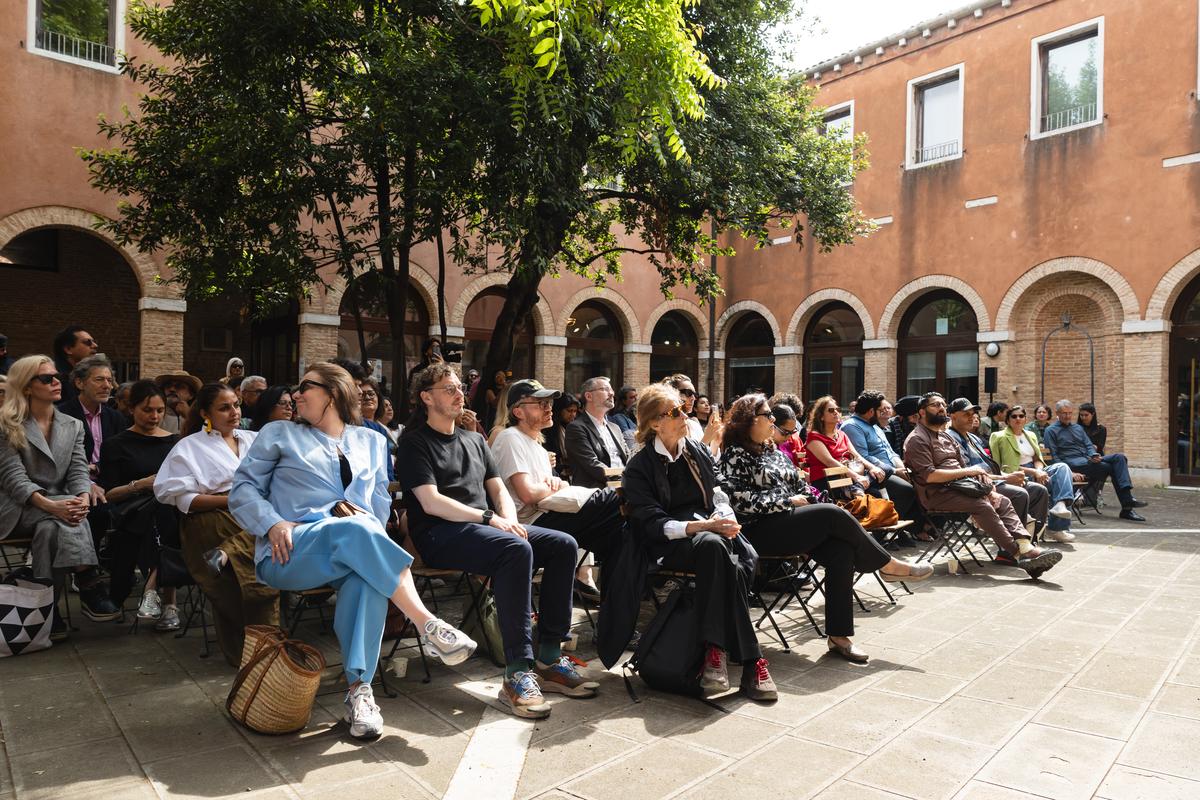
Guests assembled in the open courtyard at Ocean Space
| Photo Credit:
Nicolo Miana
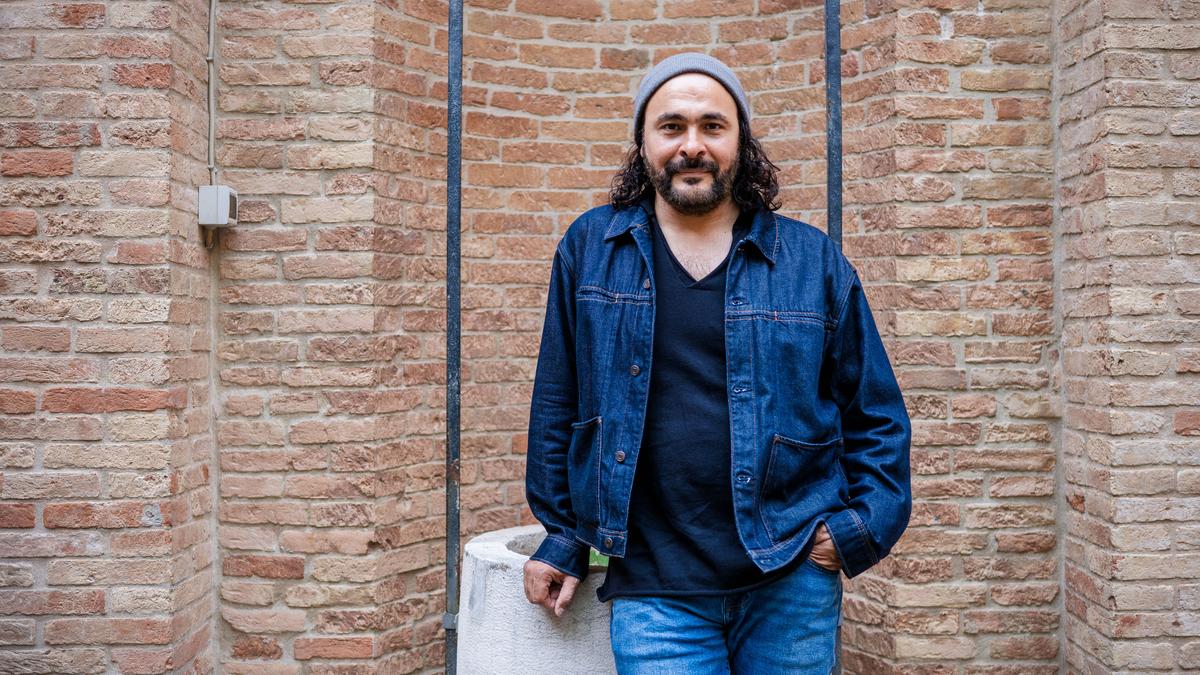
There was a hushed silence. Then artist Jitish Kallat, the newly appointed president, made the announcement: Kader Attia will be KMB’s next curator. There were cries of surprise, and a congratulatory round of applause, as the 55-year-old French-Algerian artist and academic walked up, dressed casually in a grey woollen cap and jeans.

“Kader Attia brings to the Biennale artistic depth, curatorial openness, and a strong pedagogic sensibility. The committee was drawn to the poetic range and generative potential of his proposal, and to the flexible curatorial framework it offered for bringing multiple artistic practices, histories, and publics into meaningful relation in Kochi.”Jitish KallatArtist and president of the Kochi Biennale Foundation
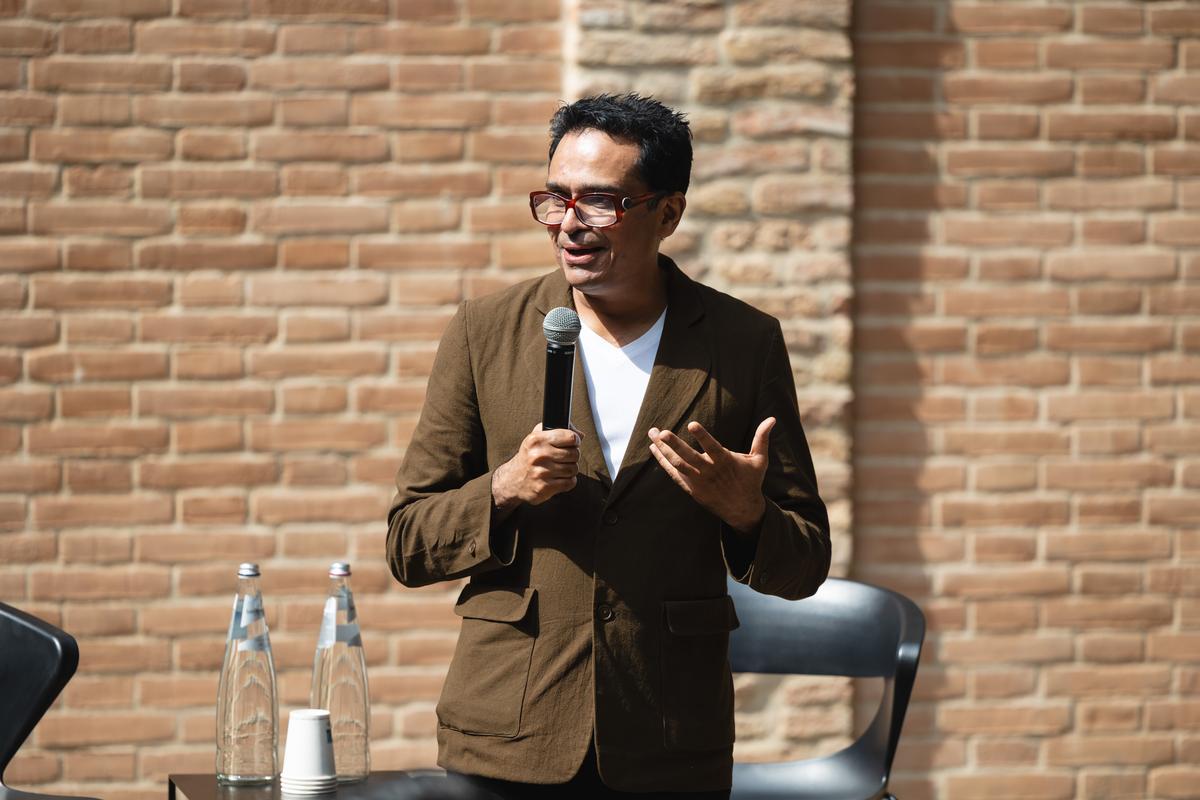
Jitish Kallat
| Photo Credit:
Nicolo Miana
“Kader Attia brings to the Biennale artistic depth, curatorial openness, and a strong pedagogic sensibility. The committee was drawn to the poetic range and generative potential of his proposal, and to the flexible curatorial framework it offered for bringing multiple artistic practices, histories, and publics into meaningful relation in Kochi. Attia had previously participated in the 2014 edition of the Kochi-Muziris Biennale and we look forward to the ways in which his curatorial vision will take shape in Kochi.”
An outsider of non-Indian origin
I caught up with Attia immediately after the announcement. We moved to a nearby wine bar and, as we chatted, I asked about his ideas of location and movement because, being a diasporic Indian living in the U.K., the scrutiny of representation and authenticity is always present. How was he, an outsider of non-Indian origin, with no Indian language skills, going to curate what is now recognised as one of the world’s leading art biennales?
The Biennale cannot represent only one generation, one aesthetic or one social position. It has to reflect the complexity of society itself. I’m very interested in creating projects where artists and local communities work together collectively.
He was not remotely fazed by this. “For me, a curator is like a fold between worlds. Artists, communities, artworks, conversations — all of these are different spaces that must somehow connect,” he shared. “During my experience running La Colonnie in Paris [the now-closed art space and intellectual hub], I realised that when discussions become too theoretical or too ideological, people stop listening to each other. But when people bring an object, something personal, suddenly connections emerge. That is very important for me in Kochi. The Biennale cannot represent only one generation, one aesthetic or one social position. It has to reflect the complexity of society itself. I’m very interested in creating projects where artists and local communities work together collectively.”
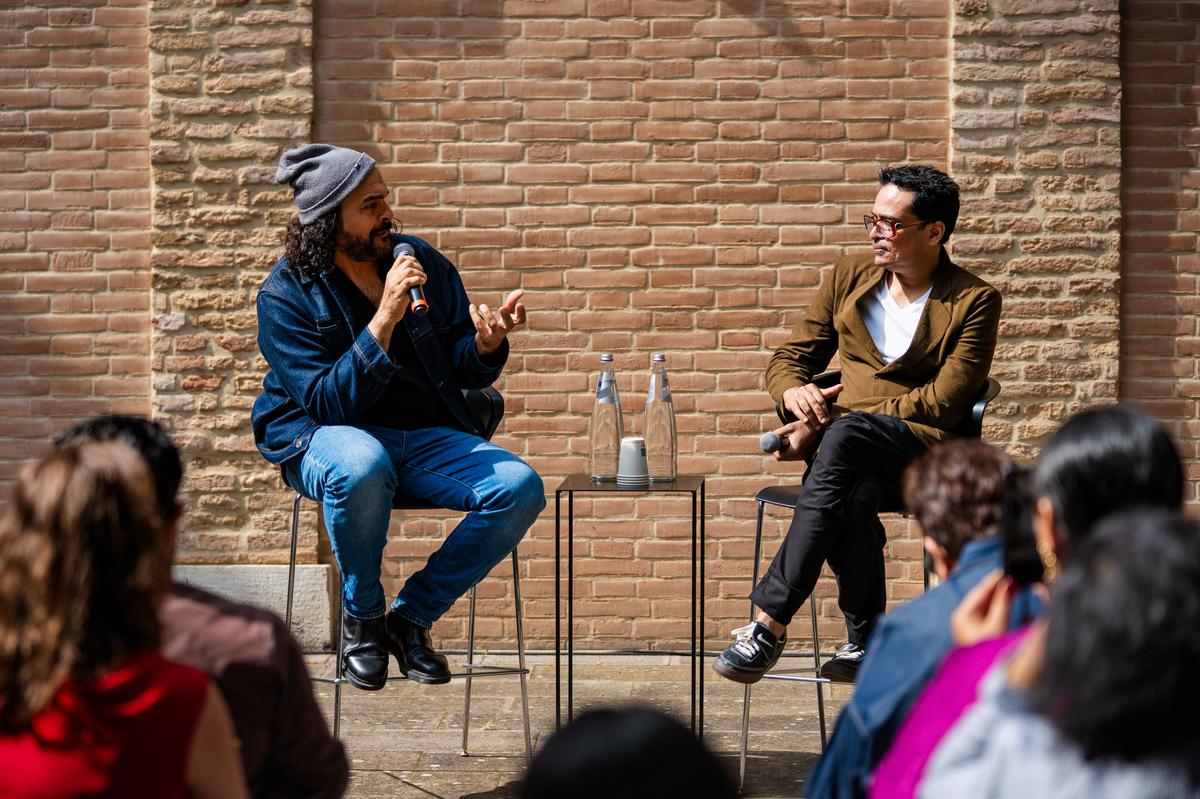
Kader Attia with Jitish Kallat at Ocean Space
| Photo Credit:
Nicolo Miana
It was clear that Attia had already started to think about how he would frame the 2027-2028 edition, regarding Kochi as an interconnected space — not just through art, but through its streets and markets, where he has closely observed movement and encounters, even how people negotiate the traffic on the roads.
He isn’t a stranger to Kochi. Besides visiting the 2025-26 edition, Attia also participated in the 2014 edition of the KMB and has talked about “coming back and building connections between the many intertwined influences” in the multi-layered city. Soon, he will be relocating there with his family to embed himself more fully, and to fulfil his vision and work on the ground with the art ecosystems of Kerala.
“For me, craft is absolutely contemporary. I’m tired of this idea that contemporary art must always appear highly technological or detached from the body. We need to reconnect with materials, labour and gesture again.”Kader Attia
Rather than imagining the next Biennale solely as a constellation of exhibition venues, he described it as a network of in-between spaces or, as he put it, “interstitial spaces of freedom”: the streets between sites, the conversations between strangers, the collective negotiations that emerge when art collides with everyday life.
‘Audiences tired of repetitive rhetoric’
“I am interested in what exists between the venues,” said Attia. “Venice is like this, too. You move through the exhibition, then suddenly [encounter] life outside it. When you walk through Kochi, you are walking through the dreams of others. These spaces still carry traces of colonialism. I think contemporary art can help us reappropriate those spaces and rethink how we inhabit them collectively.”
This prompted me to ask him about how to think about decolonisation today, particularly as there seems to be an enormous emphasis in Europe on addressing the guilt and erasure of peoples through empire. In India, however, the focus is on moving forward and building the future.
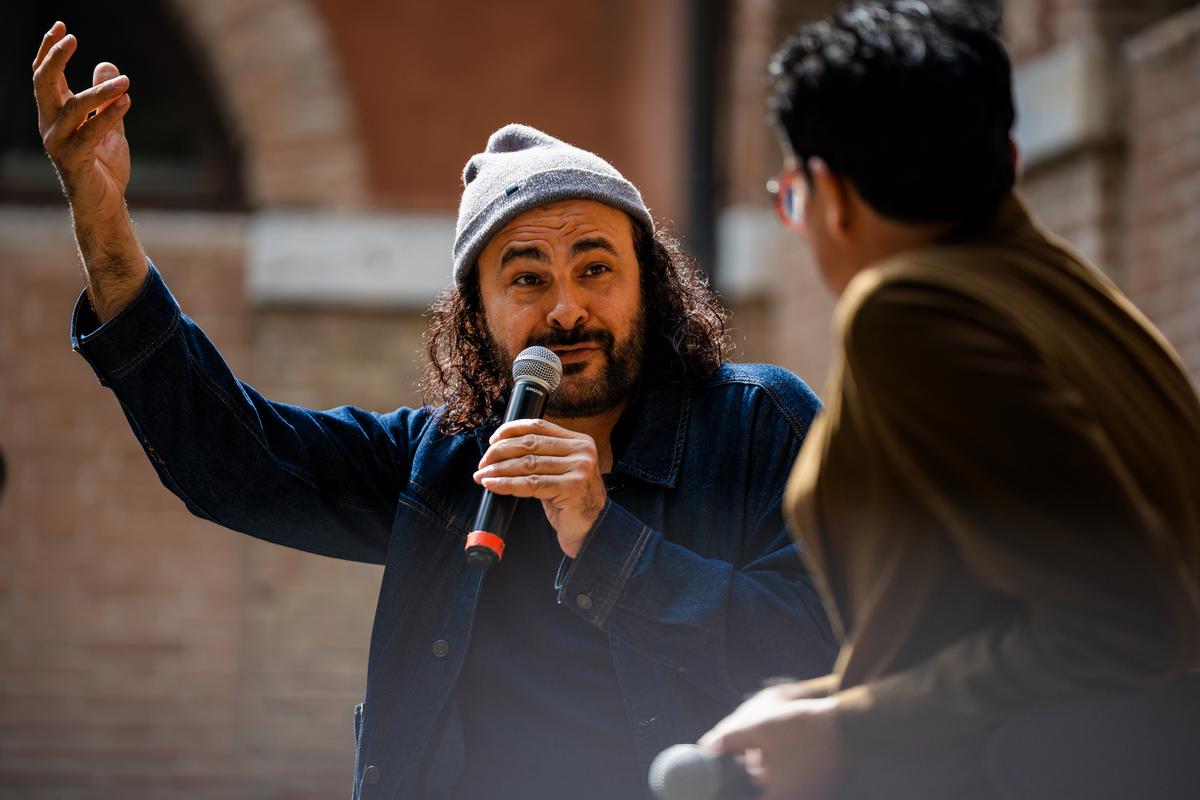
Attia speaks after the announcement
| Photo Credit:
Nicolo Miana
“I think this is a very important question. Decolonial discourse has dominated the art world for many years now. Of course these histories matter deeply, but I also think audiences are becoming tired of repetitive rhetoric,” he said. “For me, the question is not whether colonialism happened — of course it did — but how we invent new languages to speak about its traces today. Colonisation should not only be understood as something from the past. We must think critically about the future and the new forms of domination emerging now.”
The key then, rests in groups coming together. I asked Attia if we can expect a more collective model rather than a celebrity-driven biennale structure for the next edition, which can sometimes result in hotspots of crowds flocking to see one particular artist. “Yes, absolutely. I’m very interested in collective practices. That doesn’t mean removing individuality, but creating situations where different voices coexist without one dominating all the others. For me, the Biennale should not simply be a spectacle. It should be a place where people negotiate how to live together.”
“When you walk through Kochi, you are walking through the dreams of others. These spaces still carry traces of colonialism. I think contemporary art can help us reappropriate those spaces and rethink how we inhabit them collectively.”Kader Attia
Attia’s Venice installation
Reflecting on his own installation, Whisper of Traces, at the current Venice Biennale, Attia shared that he explored the relationship of memory, spirituality, technology and colonial histories. If one compared it to the India Pavilion, the artworks inside the Arsenale were presented in a visual and sensory spectacle — sprawling yet neat and orderly. Whereas visitors to Attia’s installation (also at the Arsenale) had to enter through a labyrinth of woven photographs of African masks, then move into a forest of suspended ropes pressed with shards of broken mirrors. Scattered all around were mesh containers of dried herbs and African ritual statues, surrounded by multiple films.
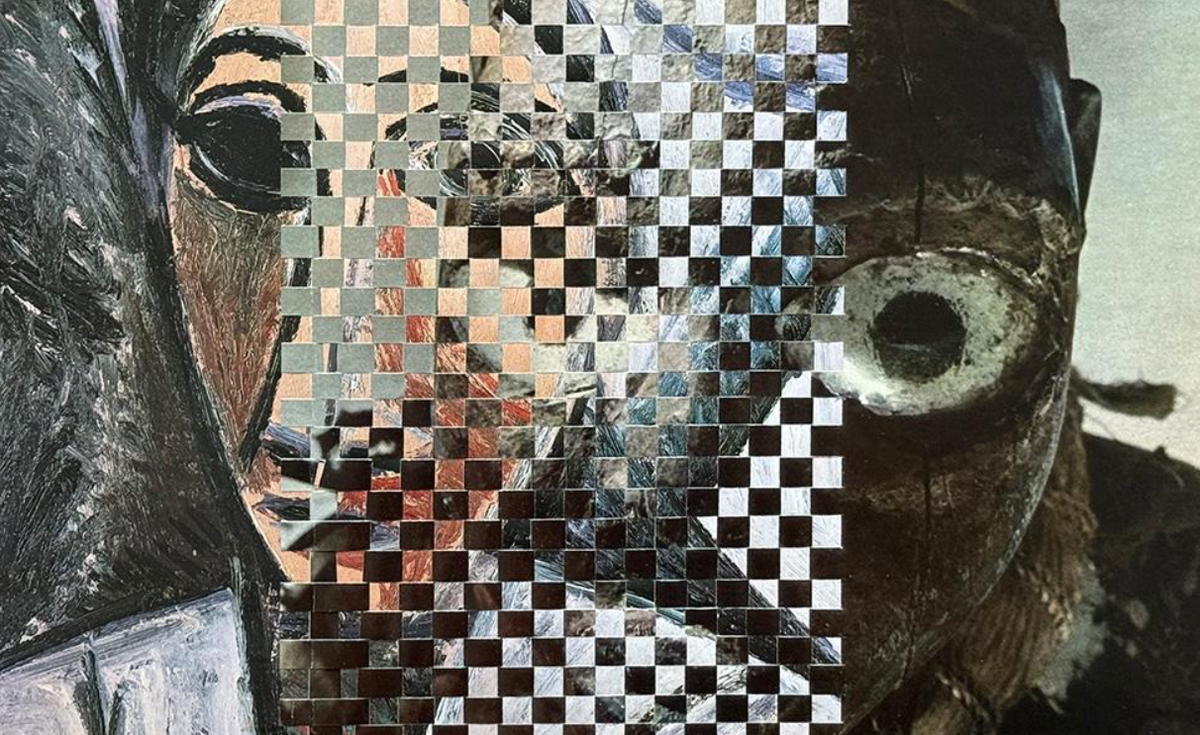
Whisper of Traces
| Photo Credit:
Courtesy labiennale.org
In doing so, Attia blurred the boundaries between the real and spiritual world, encouraging viewers to think differently about modernity — not simply as a story of technological progress, but as something still shaped by inherited memories and unresolved histories. Coming from a textile background, I was struck by the use of the rope (multiple strands twisted together through friction) and how this connects to the coir rope traditions in Kerala, and even the ropes you see in the fishing nets around the Fort.
“That’s very interesting because I never thought about it like that,” said Attia. “I was thinking about fragmentation and repair through the mirrors and rope, but what you describe makes complete sense. For me, craft is absolutely contemporary. I’m tired of this idea that contemporary art must always appear highly technological or detached from the body. We need to reconnect with materials, labour and gesture again. The hand matters. The body matters.”
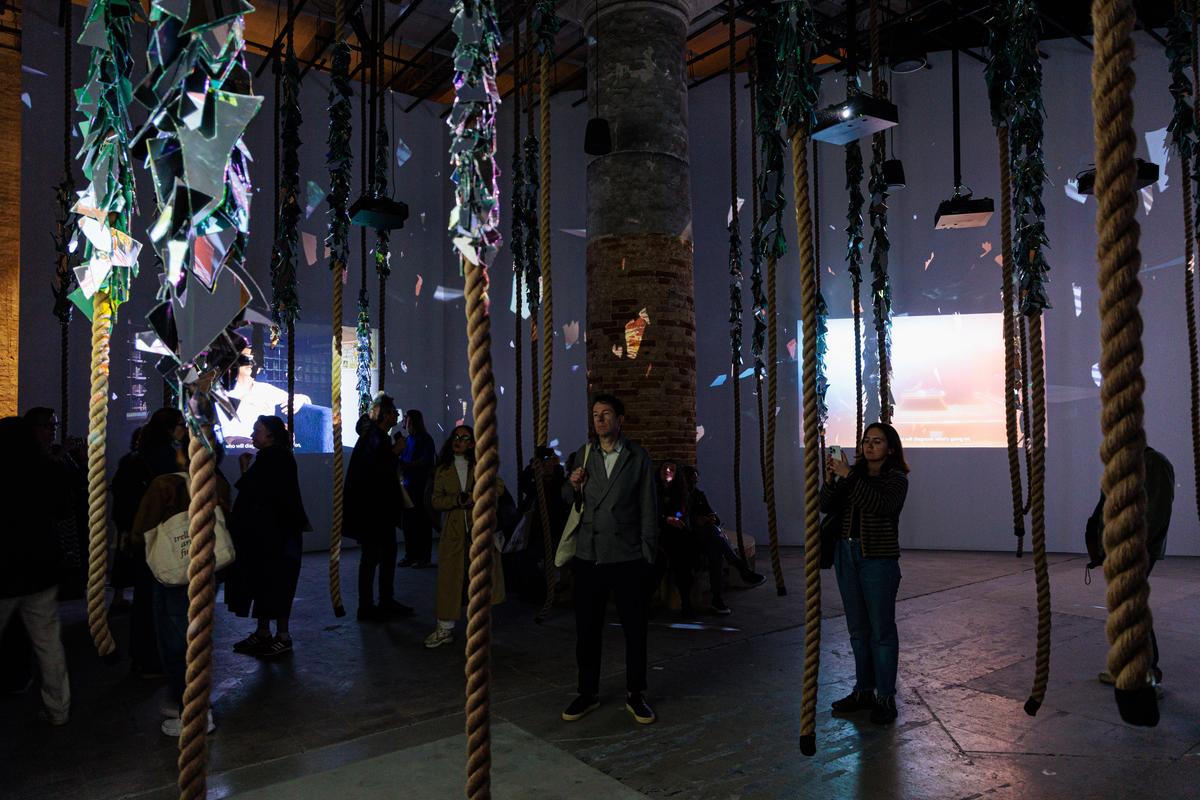
Whisper of Traces at Arsenale
| Photo Credit:
Getty Images
Perhaps in that way, given the forefront of the hand-crafted and natural materials in the India Pavilion, we can see connections in Attia’s work and perhaps speculate how he is keen to explore these in Kochi. Thus we concluded our conversation, knowing we shared a mutual interest in theories, philosophies and being, at once, an insider and outsider in these in-between spaces that shape our worlds.
The writer is an independent curator of textiles based in the U.K.
#expect #Kader #Attia #curates #KochiMuziris #Biennale