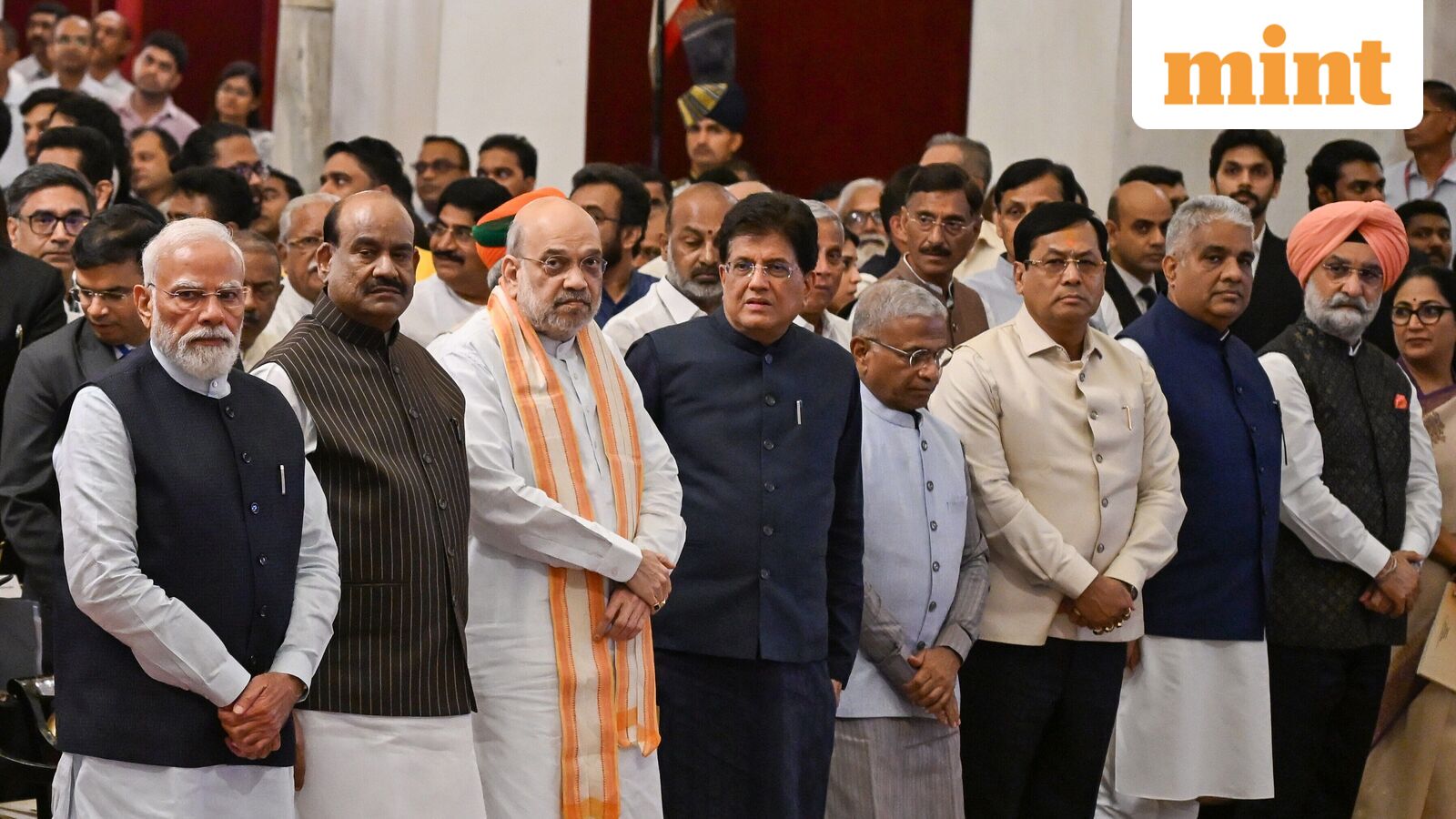
The Union government has listed a bill to make any insult or obstruction to the singing of the National Song ‘Vande Mataram’ a punishable offence for introduction in the Lok Sabha during the Monsoon Session of Parliament beginning on Monday, 20 July.
Union Home Minister Amit Shah is scheduled to introduce the Bill in the Rajya Sabha on Monday, the first day of the Monsoon Session, as per List of Business shared by Parliament.
The Prevention of Insults to National Honour (Amendment) Bill, 2026 which will amend the 1971 law, essentially gives National Song ‘Vande Mataram’ the same legal protection as the National Anthem – ‘Jana Gana Mana’
The Union Cabinet has cleared a proposal to amend the Prevention of Insults to National Honour Act, 1971, paving the way for a law that would make insulting or deliberately obstructing the singing of Vande Mataram a punishable offence.
If passed by Parliament, the amendment would mark the first time Vande Mataram receives statutory protection under Indian laws.
What does the Bill propose?
The proposed amendment in the existing law seeks to expand the scope of the Prevention of Insults to National Honour Act, 1971, which currently protects the National Flag, the Constitution of India, and the National Anthem, Jana Gana Mana.
Under the existing law, intentionally preventing the singing of the National Anthem or causing disturbances during its rendition is punishable with imprisonment of up to three years, a fine, or both.
The new amendment proposes to extend these provisions to Vande Mataram. This means anyone found guilty of intentionally insulting the National Song or deliberately preventing or disrupting its singing could face the same punishment – up to three years in jail, a fine, or both.
What are the penalties proposed?
As per the provisions of the new law, intentionally preventing, disrupting, or insulting the singing of Vande Mataram will be punishable by imprisonment of up to three years, a fine, or both.
Why is the Bill being brought now?
The legislation comes amid a broader push by the Centre to promote Vande Mataram as a symbol of national pride and to commemorate its historic legacy.
The move follows a Union Ministry of Home Affairs (MHA) directive requiring states to play Vande Mataram before Jana Gana Mana during official government functions.
Earlier this year, the government announced a nationwide campaign to mark 150 years of Vande Mataram, recognising its contribution to India’s freedom movement. Ministries, educational institutions and government bodies have been encouraged to organise cultural programmes, discussions and public events highlighting the song’s role in inspiring the independence struggle.
Does it make singing Vande Mataram mandatory?
If passed by Parliament, the amendment would mark the first time Vande Mataram receives explicit statutory protection under Indian law.
No, the proposed amendment does not seek to make singing Vande Mataram compulsory. However, earlier this year, the Home Ministry had issued guidelines making the singing of Vande Mataram mandatory at national events.
If enacted, it would place Vande Mataram on the same legal footing as the National Anthem in matters relating to insult or disruption, reinforcing the government’s ongoing efforts to accord the National Song greater legal and symbolic recognition.
#Jail #years #fine #insulting #Vande #Mataram #Amit #Shah #introduce #Bill #Parliament #Monsoon #Session